Britain’s ban on pro-Palestinian author Sally Rooney makes it a laughing stock
“Actions have consequences,” British Minister of State for Skills and former home secretary Baroness Jacqui Smith said of Palestine Action, the protest group proscribed as a terrorist organisation across the United Kingdom.
She was lecturing the group’s members and supporters, who are legion in Britain, on taking responsibility for their actions. From where everyone else is sitting, she might as well have been talking about her Labour Party colleagues, such as fellow former home secretary Yvette Cooper, who spearheaded the proscription under former prime minister Keir Starmer.
They have made their country a global laughing stock, not just for the proscription itself but for all the consequences that have flowed from it.
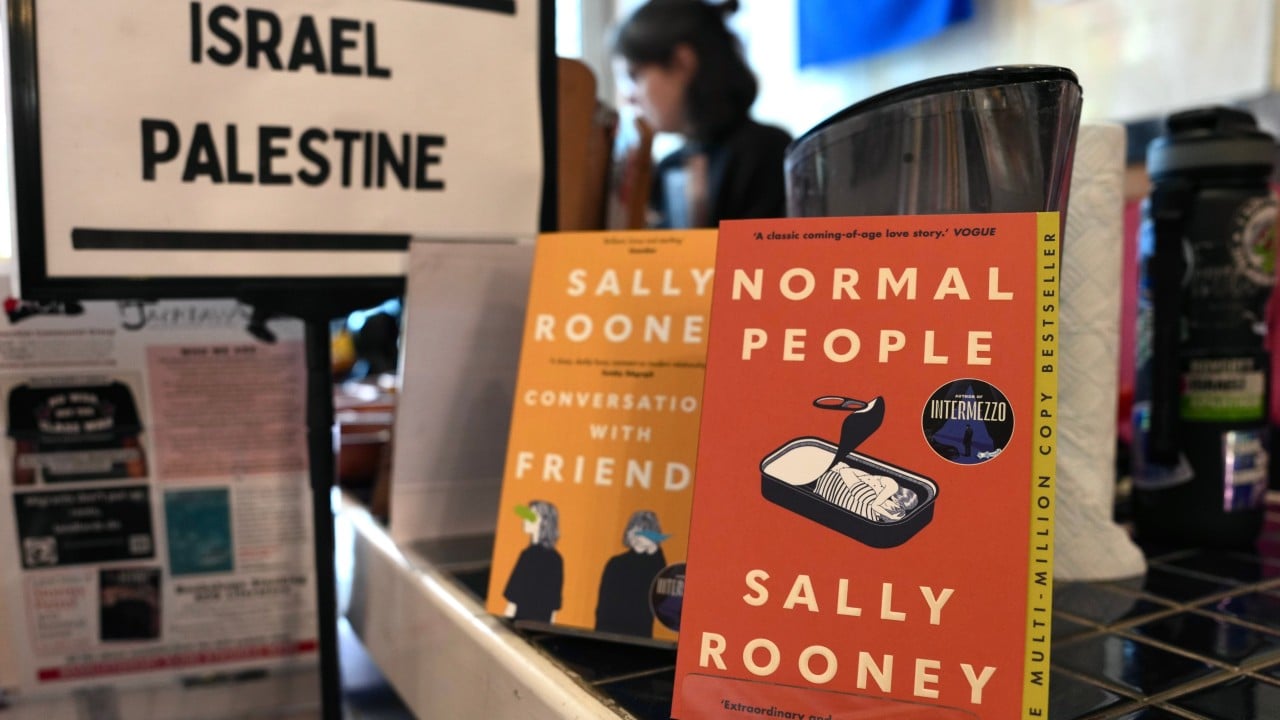
The latest development is that UK stores can no longer sell books by Sally Rooney, the Irish literary sensation sometimes credited with getting young people to read again. Why? Because Rooney supports Palestine Action and has pledged to use her earnings to help the group. Under UK terrorism law, that could amount to financing terrorism.
That was certainly the legal view of Faber & Faber, Rooney’s prestigious publisher, whose list of authors includes T.S. Eliot, W.H. Auden, William Golding, Philip Larkin, Seamus Heaney and Sylvia Plath, among others. “Current legislation in the UK has led to circumstances where Faber cannot pass on UK earnings to Sally Rooney for her work,” it said in a public statement, explaining why her books can no longer be supplied in Britain.
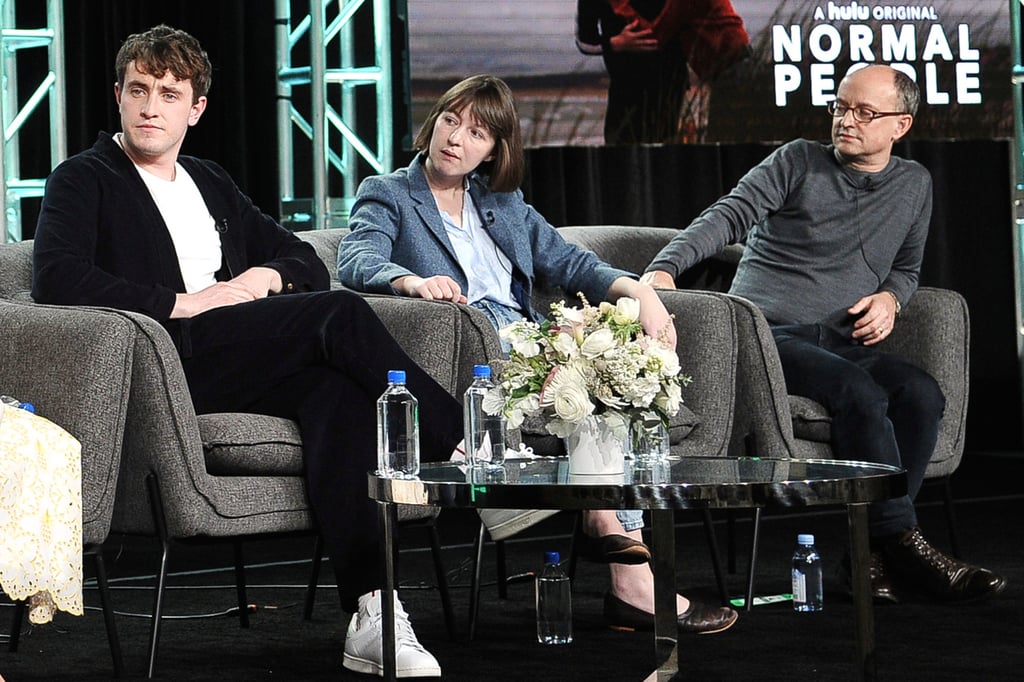
Why is that a big deal? Rooney is the English-speaking equivalent of the late Eileen Chang, the go-to writer for every sensitive, lonely and misunderstood schoolgirl across the Chinese-speaking world. Imagine being unable to buy Chang’s books in Chinese territories today. The BBC turned Rooney’s bestselling novel, Normal People, into its biggest television hit of the year during the Covid-19 lockdown in the UK.
If you haven’t been following British news, you might wonder what the pro-Palestine group did to land in the same league as Hamas, Hezbollah, al-Qaeda and Islamic State. Well, its activists broke into the Royal Air Force base at Brize Norton, spray-painted two refuelling planes red to symbolise the blood of those killed in the Gaza genocide and caused millions of pounds’ worth of damage with crowbars.
The government banned the group in July last year, a move many legal and human rights experts – including UN High Commissioner for Human Rights Volker Turk – consider overkill. The High Court ruled that the ban was unlawful in February, but the Court of Appeal overturned that and said in June that the proscription was lawful.
Pro-Israel groups and political advisers, including Lord Walney, the government’s former independent adviser on political violence, had pressed the Starmer administration for a severe crackdown. The case now goes to the Supreme Court.
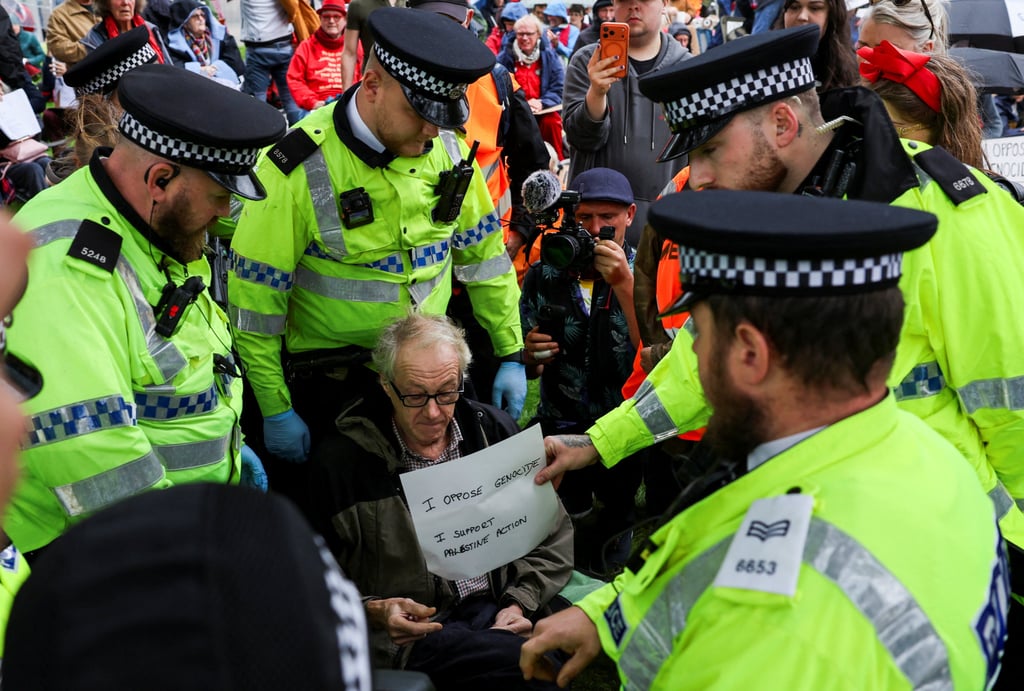
According to the latest Home Office statistics, there were 3,867 terrorism-related arrests in the year to June, up from just 234 the year before. Most of those arrests were linked to support for the group. Among those arrested were the poet Alice Oswald and King Charles’s former environmental adviser Sir Jonathon Porritt.
The Palestine Action activists might well be naive and idealistic. They might even be making fools of themselves, but they are clearly no terrorists. Even so, many people are missing the forest for a single tree. The crackdown on Palestine Action is not an isolated incident, in Britain or in other Western countries.
Extensive documentation from human rights organisations, legal watchdogs and UN experts, including the International Federation for Human Rights and the European Legal Support Centre, confirms unprecedented crackdowns, legal prosecutions and threats against pro-Palestinian advocacy and rights groups across Western nations such as Germany, the United States and Britain. The mechanisms might differ by country, but the goal is the same.
In Germany, authorities have imposed sweeping protest bans, heavily policed demonstrations and restricted Palestinian symbols, slogans and flags. UN human rights experts have criticised authorities for “criminalising, punishing and suppressing” legitimate, peaceful solidarity activism.
In the US, campus encampments and nationwide advocacy have met immense institutional and legal pressure, resulting in thousands of suspensions, arrests and lost jobs. Furthermore, the threat of expulsion and deportation has been aimed at foreign students and resident aliens who engage in pro-Palestinian speech or protest.
In Britain, as we have seen, the government has weaponised counterterrorism legislation to proscribe a direct-action group. That designation criminalises basic membership and support, needlessly causing thousands of arrests and prosecutions, not to mention raising the group’s profile.
The UK might have made itself a laughing stock, but this assault on freedom is no laughing matter.
KioskNews shows a cleaned-up reading view extracted from the publisher’s page — the original always lives on their site, not ours.