Think tank urges unified approach to curb child stunting
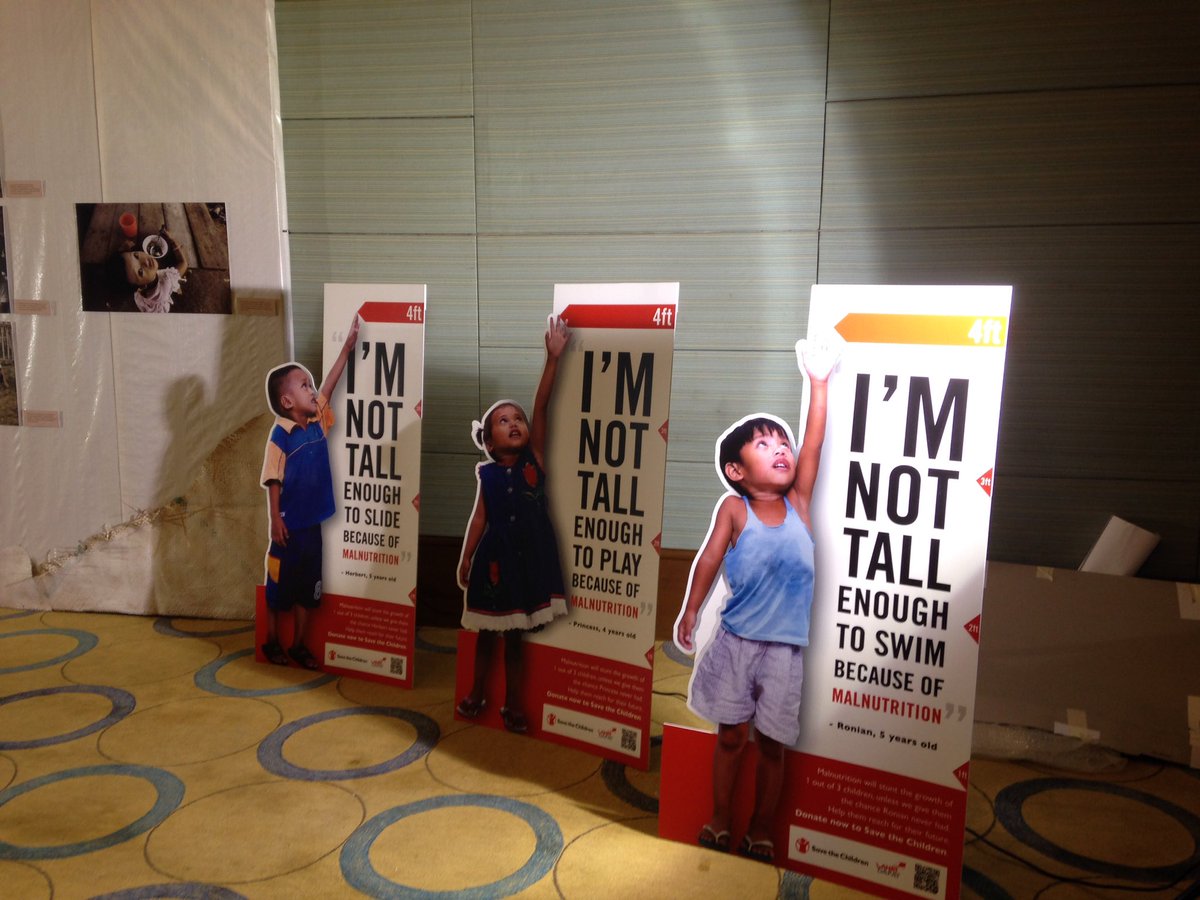
MANILA, Philippines — Think tank Stratbase Institute on Friday called for a unified government approach to address child stunting, citing gaps in nutrition data and fragmented feeding programs.
The independent think tank urged government agencies to adopt common performance indicators, standardized data collection, and interoperable information systems to ensure nutrition assistance reaches vulnerable mothers and children.
The call came as stunting among children under five rose to 25.3 percent in 2025 from 23.6 percent in 2023, reversing a decade-long decline, according to the latest survey by the Department of Science and Technology’s Food and Nutrition Research Institute.
Article continues after this advertisement
READ: Study: 1 in 4 Filipino kids under age 5 stunted
FEATURED STORIES
NEWSINFO
NEWSINFO
NEWSINFO
The Second Congressional Commission on Education (EDCOM II) also reported that 16.7 percent of pregnant women were nutritionally at risk, highlighting the importance of maternal nutrition in preventing stunting.
In a statement, Stratbase Institute president Victor Andres “Dindo” Manhit said child stunting should be treated as a long-term development concern rather than solely a hunger problem.
He added it could affect children’s learning capacity, future productivity and opportunities to escape poverty.
“Government must ensure that nutrition interventions are coordinated, sustained, and measured against actual improvements in maternal and child health,” Manhit said.
Article continues after this advertisement
READ: Nutrition body’s ratings high amid stunting rate
He said feeding and nutrition programs run by the Department of Social Welfare and Development, the Department of Education and other agencies must complement one another instead of operating as separate interventions.
Article continues after this advertisement
Manhit noted that pregnant women receiving household food assistance could still suffer from nutritional deficiencies if limited resources were prioritized for other family members.
Similarly, school feeding programs might not ensure adequate nutrition for children who return to food-insecure households.
Integrated approach needed
“We need an integrated approach that follows the mother and child across different government programs,” he said.
“Providing food assistance is important, but we must also determine whether beneficiaries receive adequate nutrition throughout the critical stages of development.”
Republic Act No. 11037, or the Masustansyang Pagkain para sa Batang Pilipino Act, already mandates the National Nutrition Council to harmonize national and local nutrition databases to identify populations and communities experiencing the highest levels of hunger and undernutrition.
However, EDCOM II identified inconsistencies in nutrition data definitions, collection schedules and reporting systems in September.
EDCOM II also recommends harmonized measurements and stronger information sharing among government agencies and local governments.
Manhit urged the government to build on the existing legal framework by establishing common indicators of success and standardized reporting formats, as well as systems that would allow agencies to share information and consolidate data on beneficiaries’ nutritional conditions.
“Government cannot effectively address child stunting when agencies measure success differently or maintain information that cannot be readily shared,” he said.
Manhit added that reliable data would help policymakers identify service gaps, monitor outcomes and direct resources to communities most in need.
He said integrated data analysis could also help identify areas with high stunting rates, prioritize vulnerable mothers and children, and assess whether nutrition interventions were producing measurable results.
“With child stunting affecting one in four Filipino children, strengthening nutrition governance must become a national priority,” Manhit said.
Your subscription could not be saved. Please try again.
Your subscription has been successful.
“Every peso invested must contribute to healthier children, better learning outcomes, and a more productive Filipino workforce.” /cb
KioskNews shows a cleaned-up reading view extracted from the publisher’s page — the original always lives on their site, not ours.