Healey planning high street revival with small business tax cuts in first Budget
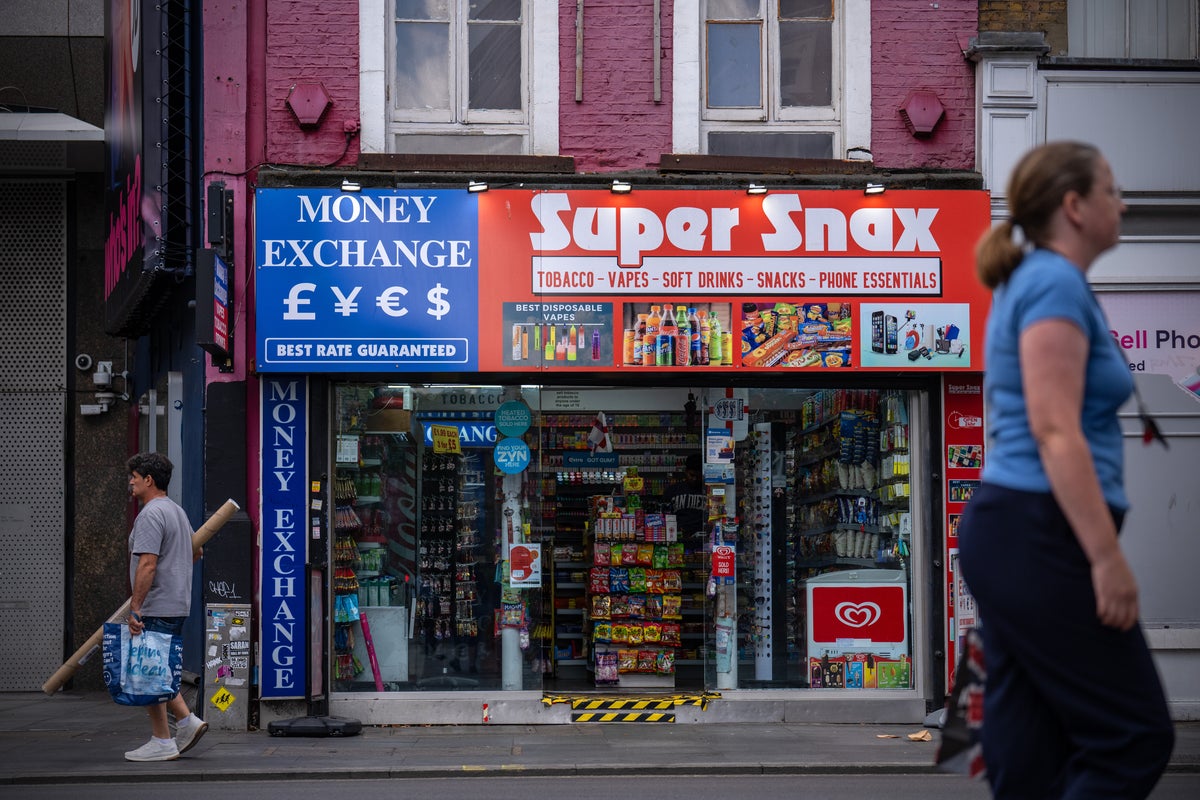
Chancellor John Healey is preparing to deliver tax cuts for high street businesses in his first Budget, as the Treasury considers sweeping reforms to England’s commercial property taxes, according toThe Telegraph.
Ministers are pushing to overhaul the business rates system by exempting thousands of smaller firms from the levy entirely and slashing tax bills through to the end of the parliament.
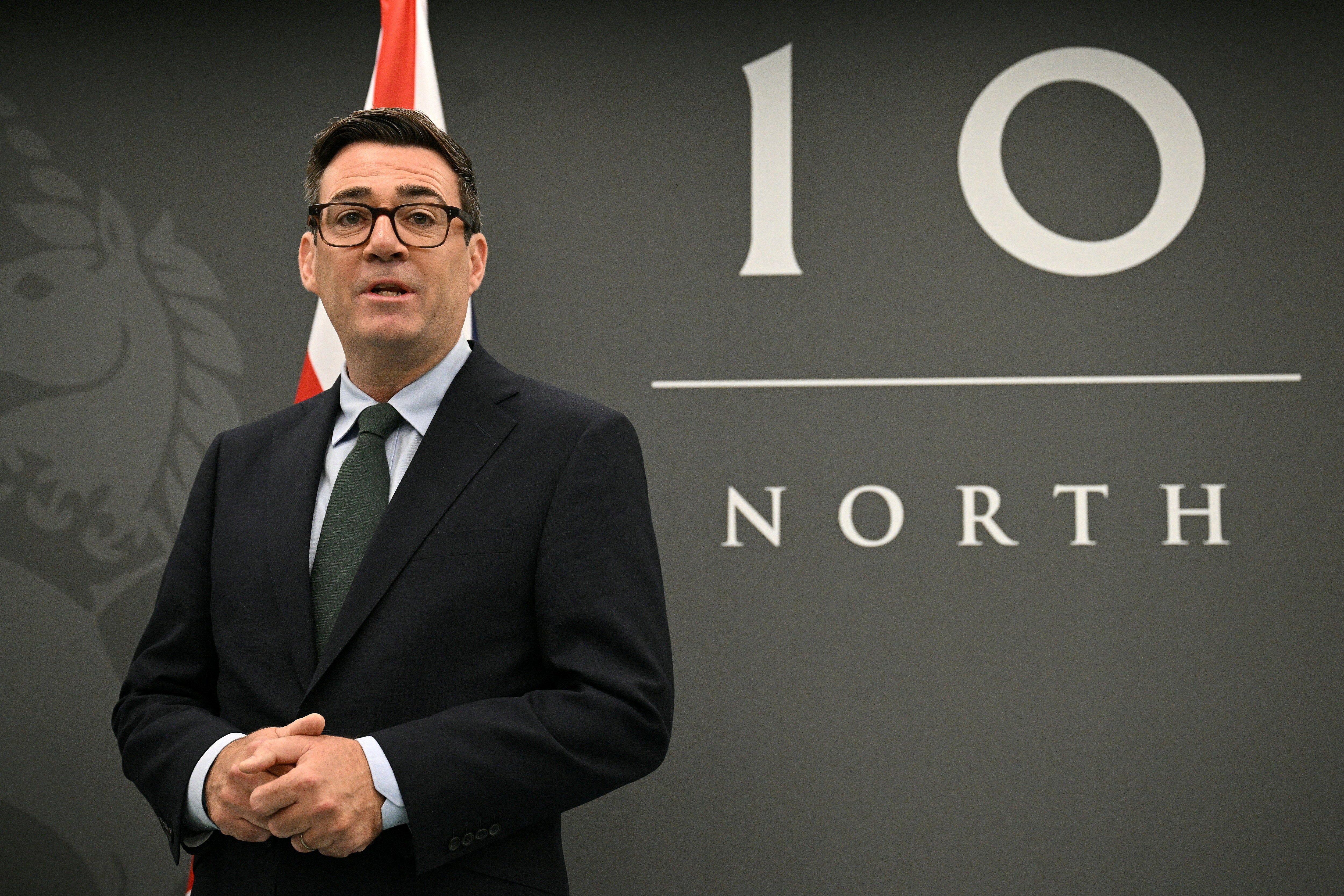
The proposals build on pledges by prime minister Andy Burnham to transform Britain’s high streets into "a symbol of Britain’s renaissance," after warning that Labour must listen closely to small businesses to drive national economic growth before he took office earlier this summer.
To lay the groundwork, Treasury officials have spent the past fortnight running dedicated workshops with business groups to map out tax breaks and entrepreneurial incentives aimed at breathing fresh life into struggling town centres.
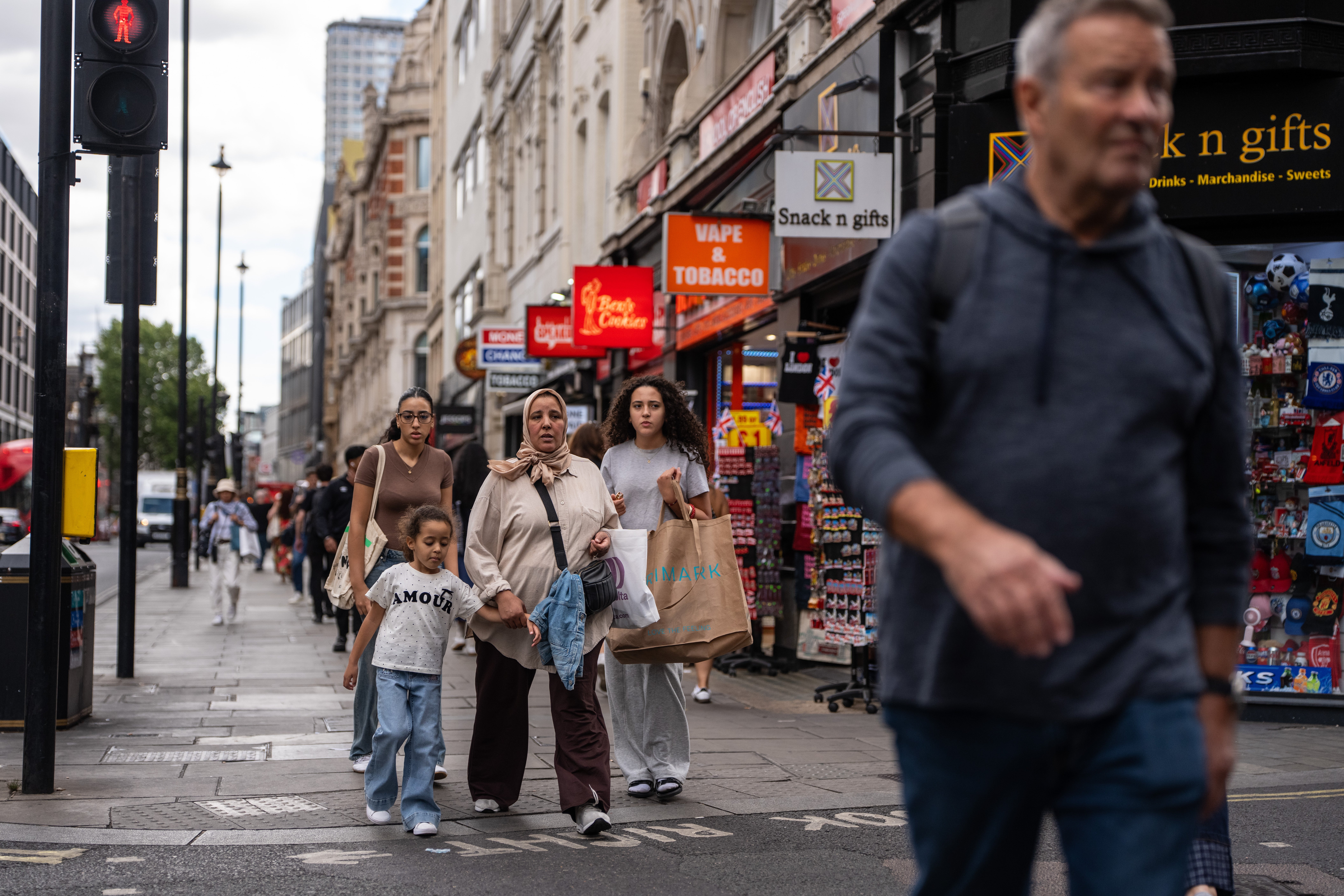
A central proposal under review is raising the threshold for Small Business Rates Relief (SBRR), which has remained frozen at a rateable value of £12,000 for a decade.
Upgrading the threshold in line with inflation would raise it to £17,096, removing thousands of independent shops and cafes from the property tax roll, while offering tapered relief for properties valued up to £20,000.
Treasury advisers are also evaluating an expansion of transitional relief to cushion the blow of recent property revaluations, which left some commercial occupiers facing bill increases of up to 80 per cent.
While the current transitional framework caps annual bill increases for small firms at 5 per cent this year, 10 per cent next year, and 25 per cent in 2028-29, the Chancellor is believed to be considering stretching these phase-in periods to ensure costs rise at a significantly slower rate, according to reports in The Telegraph.
The commercial property tax plan forms part of a wider package aimed at reversing town centre decay, which the prime minister previously described as "markers of decline" dominated by betting shops and vape outlets.
Downing Street has already committed to a targeted 20 per cent business rate reduction for pubs, live music venues, and nightspots, which is projected to save the average venue around £1,100 annually starting next April.
Business groups have broadly welcomed the prospective changes, arguing that high fixed overheads and property taxes continue to threaten independent retail.
UKHospitality chairman Kate Nicholls has confirmed the sector has been in active talks with ministers since January regarding escalating operational costs, and has since urged the Treasury to extend targeted relief beyond pubs to include restaurants, cafes, and hotels.
The chancellor is expected to make reducing the cost of doing business a central theme of his opening Budget on 28 October, alongside prospective measures to boost domestic public procurement and support early-stage entrepreneurs.
KioskNews shows a cleaned-up reading view extracted from the publisher’s page — the original always lives on their site, not ours.