Inside scorching Pakistani factories making clothes for global fashion brands
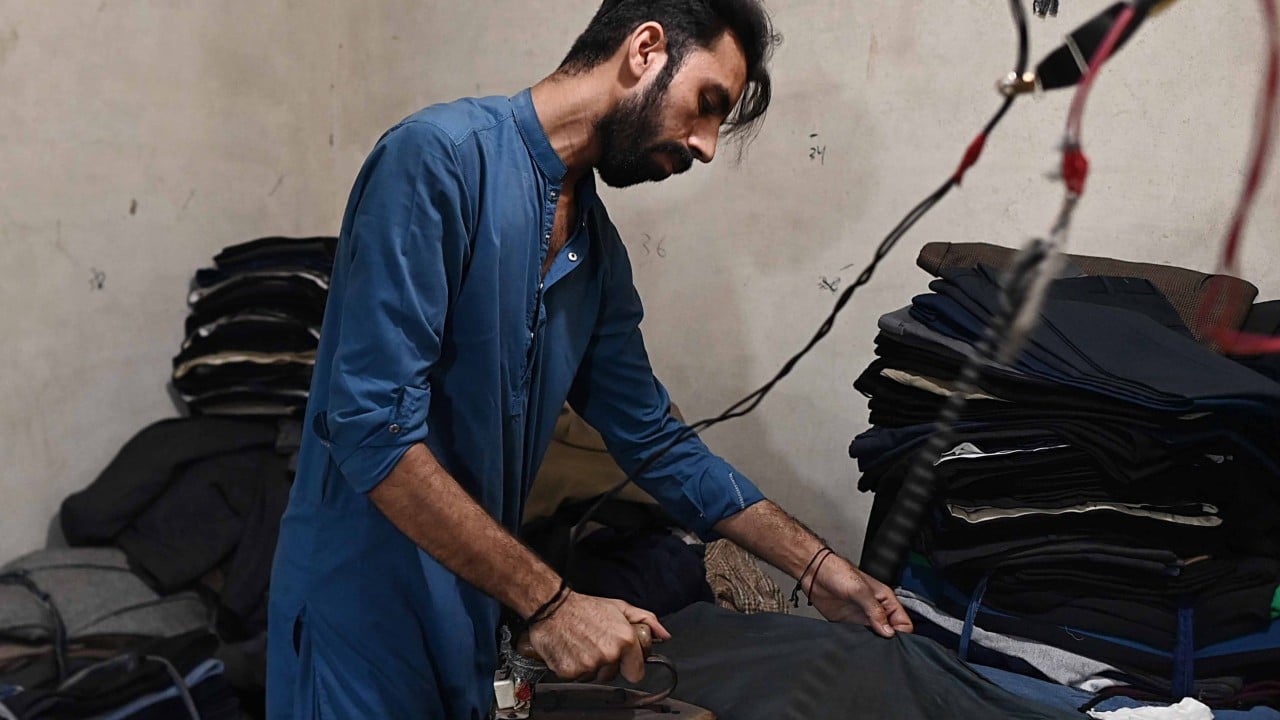
Machines whirred around Siddiqui as her vision blurred and her heart hammered. The garment factory on the outskirts of Karachi was sweltering. The room was packed with sweating fellow workers and huge industrial equipment that radiated heat. The air felt thick with the humidity of this summer’s monsoon.
Siddiqui, who asked to be identified only by surname, felt like she was suffocating. Concerned colleagues called over her supervisor. “The supervisor said, ‘Just complete this work,’” the 28-year-old said. “Suddenly darkness came before my eyes.”
Exhausted by the heat, she collapsed.
Extreme heat – intensified by climate change – is creating dangerous conditions for factory workers in Pakistan.
From blue jeans to homeware, these factories produce goods for global companies that have pledged to protect workers’ safety. But experts and labour rights advocates say those promises remain unfulfilled, as temperatures rise and workers pay the price with their health and safety.
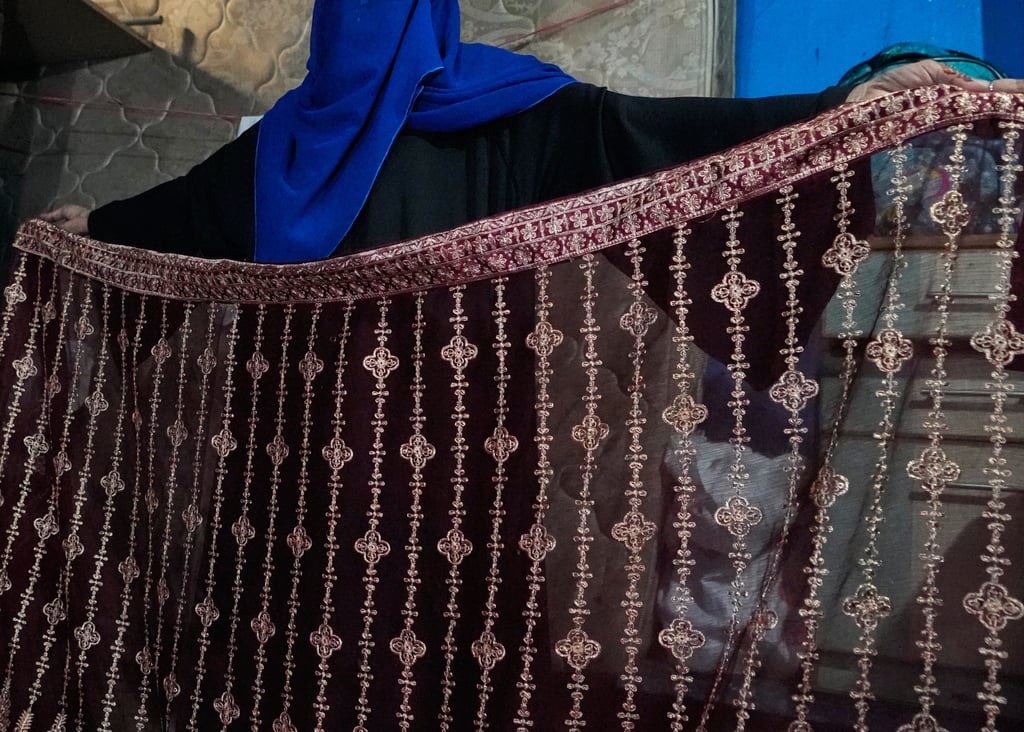
Of the more than a dozen workers interviewed in Karachi, all described scorching workplaces, absent heat protocols and negative health effects, including fainting. They spoke on the condition that their identities be protected out of fear of retaliation by their employers.
All but one said they lost wages when heat-related illness forced them to miss work. Ten of the workers made goods for global brands sold in the United States and Europe.
For workers like Siddiqui, extreme heat – temperatures at or above 32 degrees Celsius (90 degrees Fahrenheit) combined with high humidity – is not just a workplace hazard. Living with her six children in a small room with no air conditioning on the outskirts of Karachi, temperatures routinely exceed 37.8 degrees during heatwaves.
Inside the garment factory where she stitches clothes for Spanish brands like Zara and Mango, it is even hotter. Huge machines churn heat into the air. There are fans, but they’re often broken or small. Windows are slitlike and set high, or even closed to deter theft, further trapping the heat, workers said.
“Smoke, heat, you face it,” said a 34-year-old male factory worker.
Silent killer
Extreme heat is a silent killer. It can show few outward symptoms while causing severe internal damage and worsening conditions, including cardiovascular disease, diabetes and asthma. Studies have linked it to dehydration, heatstroke, organ failure and death.
“The longer you work in the heat, the less that you’re protected from it and the health risks rise,” said Andreas Flouris, the founder of FAME Lab, which researches heat’s impact on health.
The number of people exposed to extreme heat is growing exponentially due to climate change. Heat stress is a leading cause of weather-related deaths, according to the World Health Organization. Studies by World Weather Attribution say that climate change has also drastically increased the frequency, intensity and risks of extreme heatwaves in Pakistan.
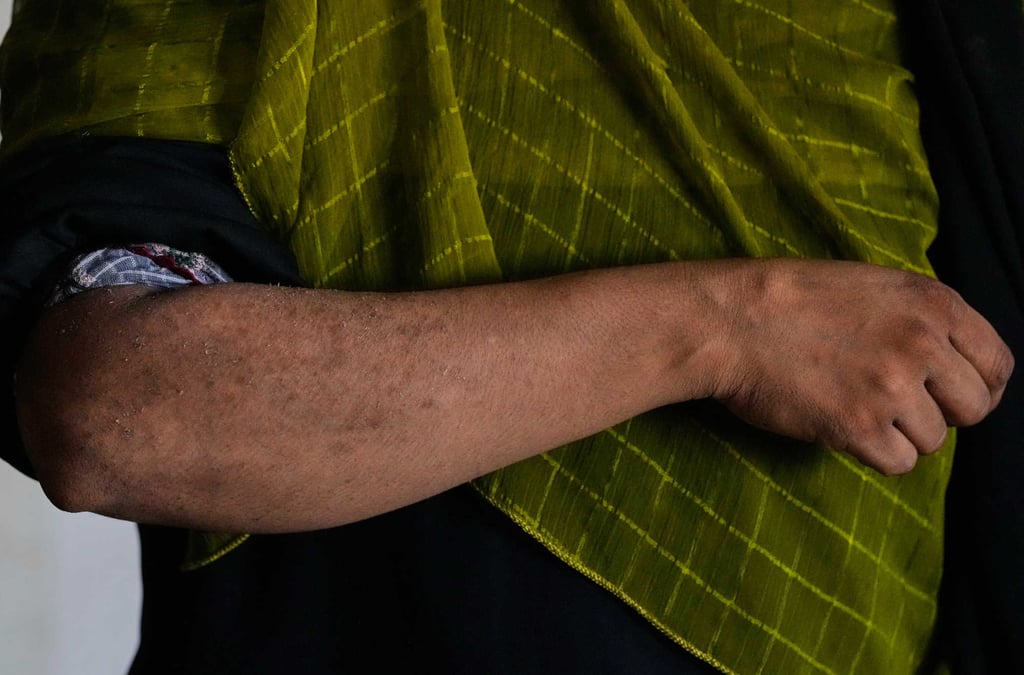
Workers interviewed described temporary muscle paralysis, swollen limbs, blood pressure swings, breathing problems, blurred vision and exhaustion that peaked in the hottest months. One worker showed scaly skin rashes on her arms from routine chemical exposure, saying how the pain intensified during summer.
All said they had seen colleagues faint from the heat. Several said they had fainted themselves, some multiple times. Those who fainted were often offered only a short break or sugary drink before being told to resume work.
They said complaining to supervisors led to no changes. Only one worker had paid sick leave. The rest said that missed hours – even from fainting on the job or from heat-related illnesses – meant slashed wages.
Siddiqui wept on the floor of her home as she described fainting and being sent to the hospital. As she earned 15,000 rupees (US$54) a month, the hospital visit cost, which her employer refused to pay, left her unable to buy food for her children.
“Sometimes they eat one meal, sometimes they don’t eat a meal,” she said, adding that the younger children sometimes cry from hunger. “The older ones have gotten used to it.”
There are simple, scalable and economically feasible measures factories can take to protect their workers from extreme heat, including accurately measuring temperature and humidity inside workplaces, providing cold drinking water and allowing workers breaks, according to Flouris.
Other solutions include installing barriers to block radiant heat from machinery, installing quality ventilation and cooling systems and painting rooftops white to deflect sunlight. “We’re talking about some very simple strategies,” he said.
Simple solutions, none taken
Factory workers said that almost none of these measures were taken in their workplaces. Several said their factories’ metal roofs made the summer heat unbearable, yet they received no extra water or breaks.
All the workers said there were no heat sensors installed. Only one worker said a ventilation system was installed at their workplace, but that it was turned on only when auditors visited the factory for inspection. The workers said water was provided by their employers, but that it was rarely cold and they were not sure if it was clean. “Sometimes it smells like dead rats,” the 34-year-old male worker said.
Pakistan has national and provincial laws as well as constitutional protections meant to shield workers from such conditions, according to Farhan Haider, a programme manager at the Pakistan Institute of Labour Education and Research in Karachi.
Some companies supplied by the factories, including Inditex – Zara’s parent company – and Mango have signed legally binding agreements to protect workers or have their own company safety pledges.
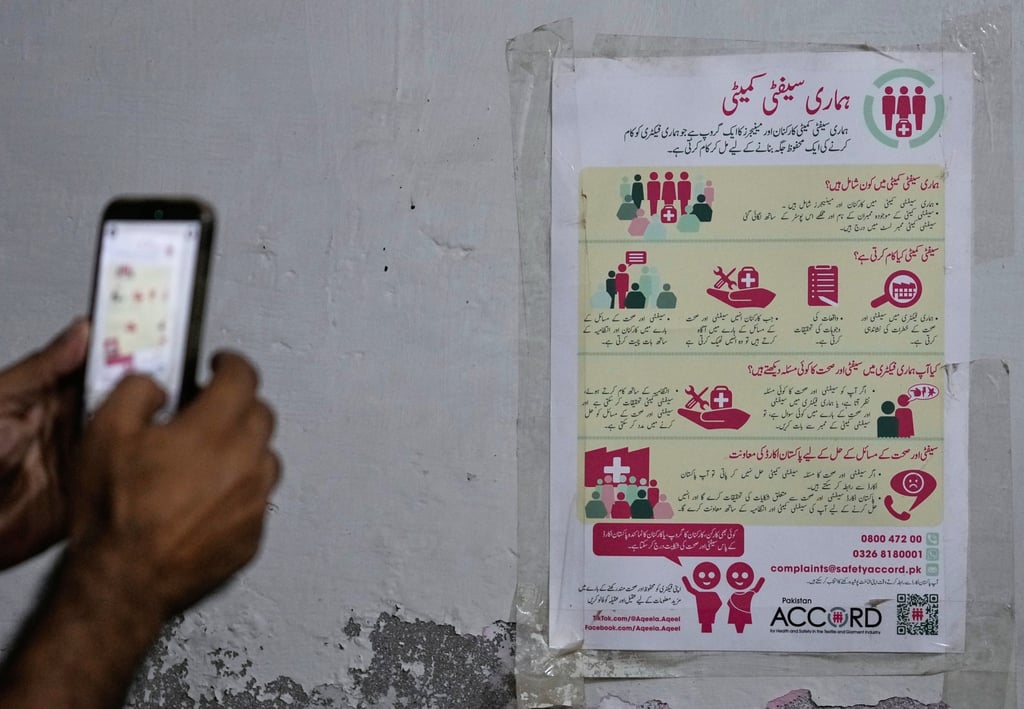
The most concrete is the International Accord for Health and Safety in the Textile and Garment Industry, which in 2025 announced it would treat heat as a workplace safety risk and develop heat stress protocols, which are under review but not yet in effect.
Representatives from the Pakistan Accord, a country-specific safety programme that operates as an extension of the broader International Accord, did not reply to a request for interview or comment.
Brands had a responsibility to ensure their suppliers are held accountable for worker safety, including extreme heat, said Cara Schulte, a researcher at Climate Rights International who published a report last year about worker conditions in Pakistan.
Inditex said in an email the company was strengthening efforts to address heat stress in its supply chain through updated factory audits, guidance and training for suppliers and collaboration with industry initiatives. Mango called worker health and safety a “non-negotiable priority”, citing its supplier code of conduct, which was “strengthened this year to explicitly address extreme temperatures and heat stress.”
A government spokeswoman for Sindh province, where Karachi is located, acknowledged implementation remained an issue. “The government is making efforts to enforce these regulations, but given the province’s vast size and the presence of numerous industrial zones, complaints are inevitable,” said Sadia Javed, who is also a member of the provincial assembly.
For workers like Siddiqui, complaints remain ignored as temperatures continue to rise. “If you feel too unwell, [supervisors] say, ‘This is an everyday problem. Women cry and complain a lot, but the work still must be done,’” she said.
KioskNews shows a cleaned-up reading view extracted from the publisher’s page — the original always lives on their site, not ours.