Philippines’ jeepney drivers ‘stuck between a rock and a hard place’ despite fare increase
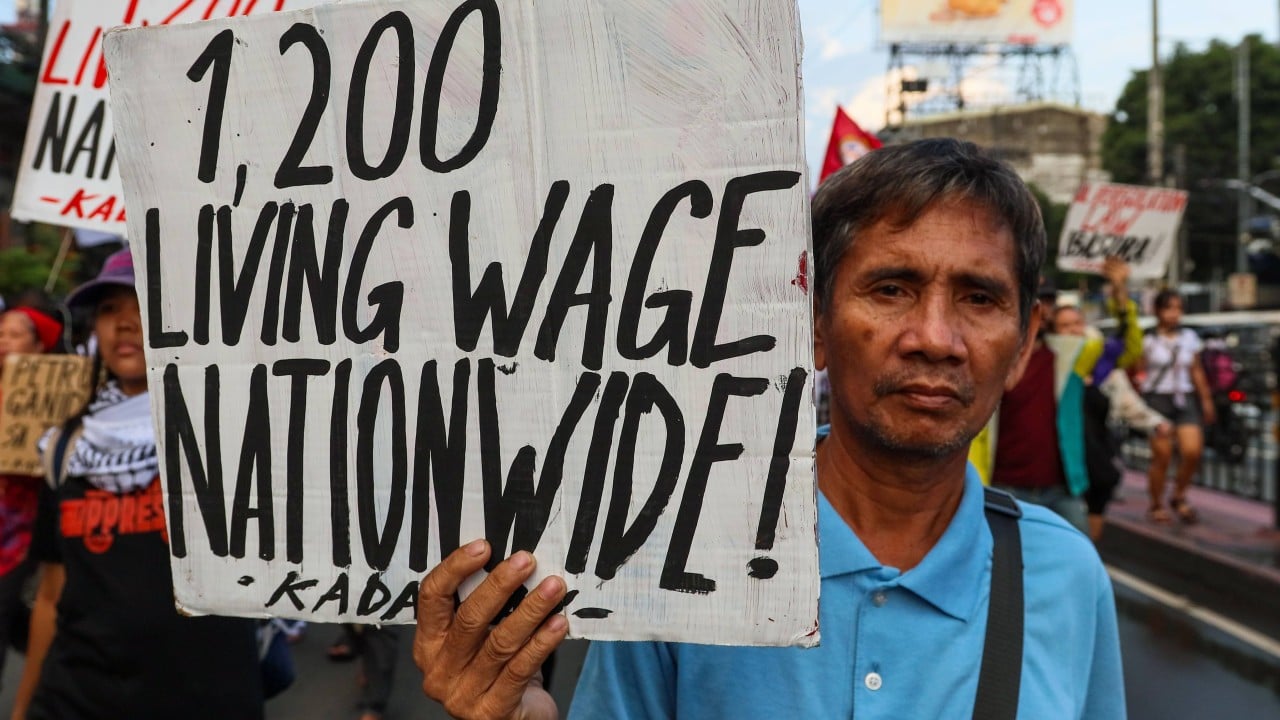
Reggie Manlapig, 46, has been driving jeepneys for nearly 25 years and has weathered rising fuel prices – but with costs spiking amid the global energy crunch, he is now wrestling bigger demons.
“The impact has been huge. Before, in a 16-hour shift of driving, I could take home 400 to 500 pesos [US$6.30 to US$8] – now there’s a big cut to that income,” said Manlapig, who plies a two-hour daily round route from Malolos in Bulacan, north of Manila, to San Fernando, Pampanga.
“Doing the full route five times straight in a day really pushes you. Before, three round trips alone would already give you decent earnings – especially on days with no classes, holidays, or student holiday periods; those are especially hard.”
His sentiments reflect the broader grievances of jeepney drivers and other public transport operators in the Philippines, who continue to bear the brunt of soaring fuel prices from the gridlocked Strait of Hormuz amid the Iran war.
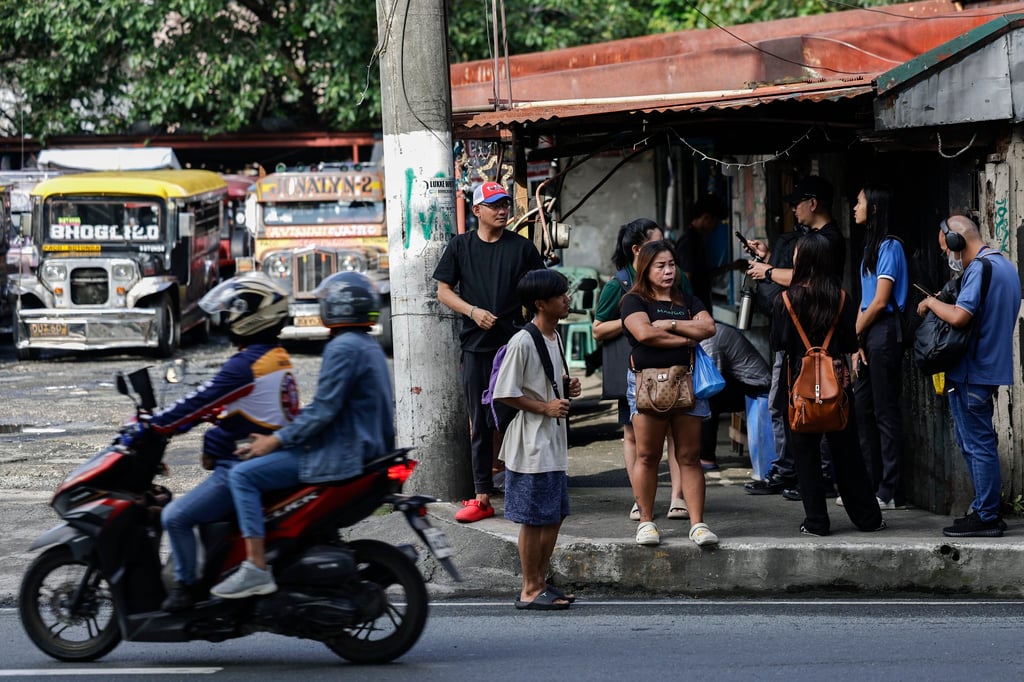
On Monday, increased prices finally implemented by the administration of President Ferdinand Marcos Jnr took effect, raising jeepney fares by 1 peso – a long-overdue move that was first suspended in March.
“We’re grateful for it, but it’s a very small help – very small for us. What good is a one-peso fare increase if fuel prices keep rising one after another – 10 pesos, 8 pesos at a time? How is that one peso supposed to keep up? It barely makes a dent,” Manlapig said.
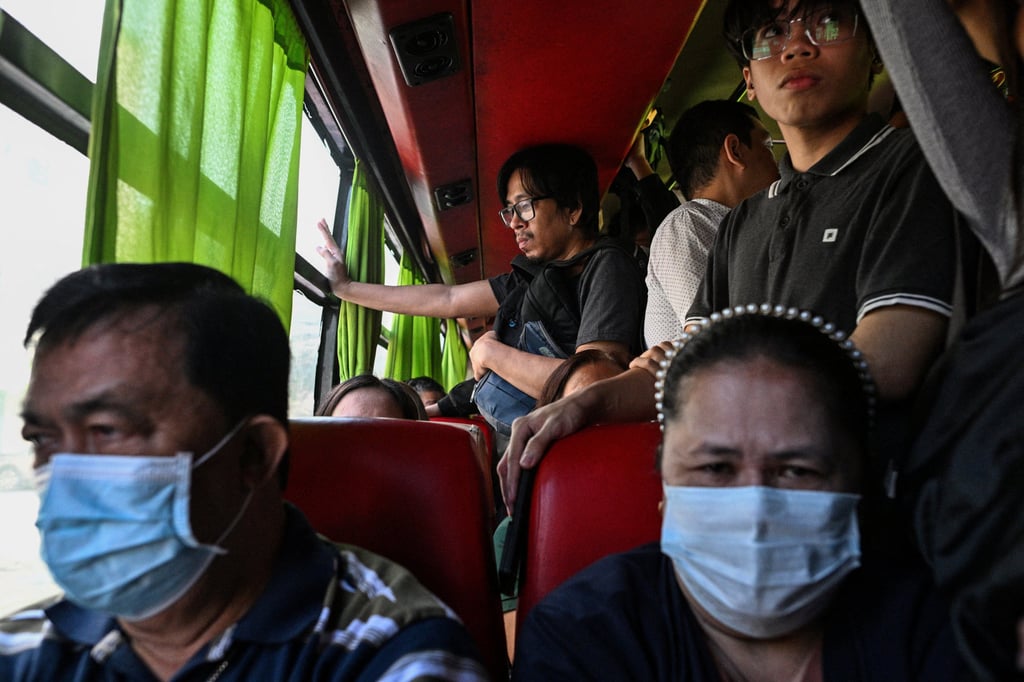
The high costs had forced drivers off the road, leading to longer wait times for commuters and crowded vehicles, Julius Dalay, founder of the concern group Commuters of the Philippines, told This Week in Asia.
Diesel prices rolled back by 7.57 pesos this week after reaching nearly 100 pesos per litre in some areas in the Philippines.
Yet for the country’s transport sector, the latest adjustments are insufficient to make up for the massive loss of livelihoods as prices continue to rise.
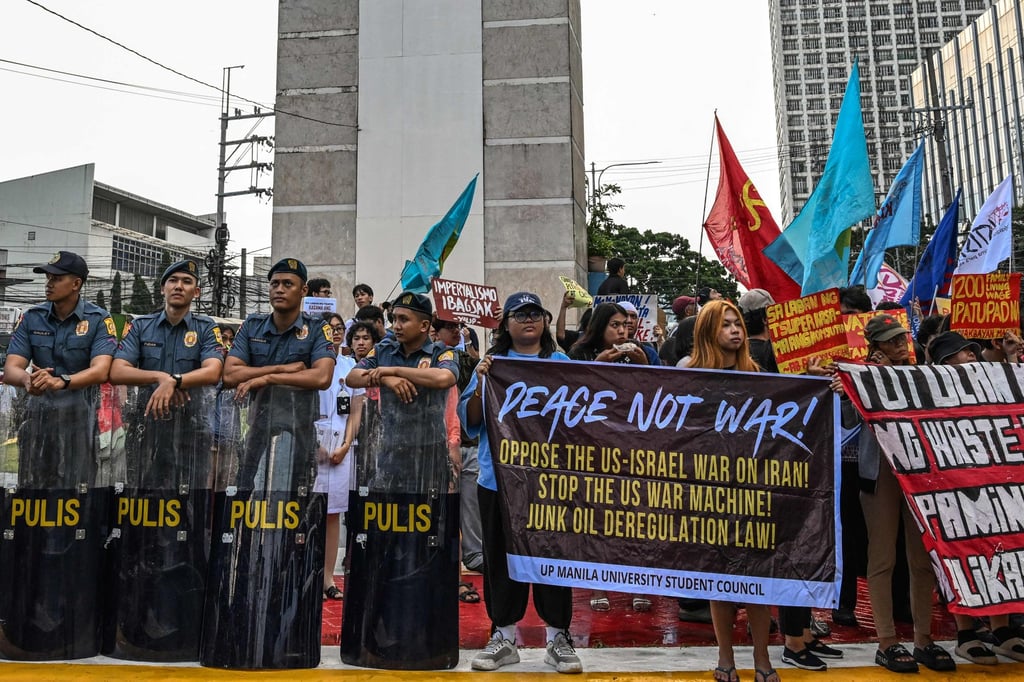
Transport group Piston held a two-day strike on Tuesday, demanding the removal of excise and value-added taxes on petroleum. It also urged authorities to restore diesel costs to 55 pesos per litre – its last price the week before the Iran war began – and repeal a 28-year-old oil deregulation law that leaves the discretion of price caps to private companies.
“With every price increase, income shrinks, and the cost of basic goods rises faster than workers’ small incomes and wages can keep up,” Mody Floranda, leader of Piston, told This Week in Asia.
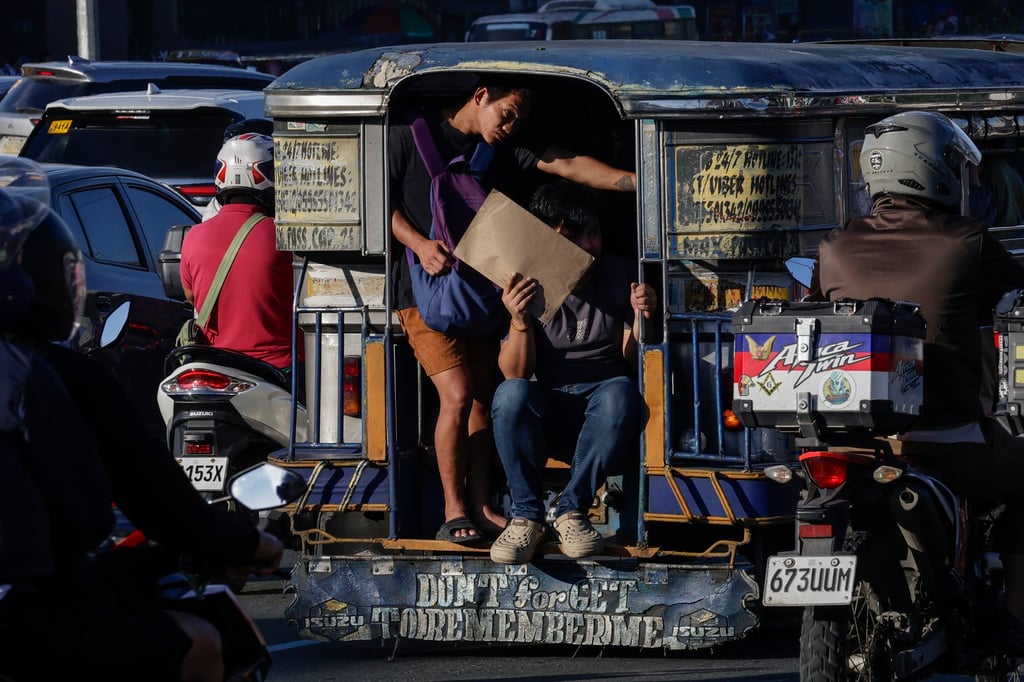
Floranda said the group first petitioned for fare increases in February when diesel prices rose following the Gulf conflict.
“It took six months for the [government] to finally grant it, timed right as we announced the strike. So we consider the increase a win from people’s mobilisation – but small as it is, it’s no longer enough for our drivers’ needs,” Floranda said.
The extra 1 peso was “nowhere near the scale of what our drivers are losing”, he lamented. He noted that many drivers, unable to keep up with the rising transport costs due to mounting debts and repair expenses, had moved to other jobs such as construction work or farming in the provinces.
Nanoy Rafael, convenor of the PARA-Commuters Network, told This Week in Asia his group had estimated a 10 to 20 per cent reduction in public transport vehicles before August.
Data from the transport ministry in August reflected the group’s predictions, Rafael said. The figures showed 18,000 traditional jeepneys had stopped plying the roads year on year, down from 128,000 units in August last year, he said, while only 8,000 electric jeepneys remained operational.
“So that was really the first effect: we have nothing to ride,” Rafael said, adding that in March and April, cities such as Baguio in northern Philippines nearly ground to a halt.
His group supported the fare increase despite the cost of goods outpacing wages “because there’s nothing else. We’re stuck between a rock and a hard place”.
The persistent price shocks in the Philippines highlight the country’s differences in preparation and supply compared with Southeast Asian neighbours that may be better equipped to cushion the blow, according to Jaideep Singh, an analyst at the Institute of Strategic and International Studies in Malaysia.
“For Southeast Asia, the conflict in West Asia, including periodic closures of the Strait of Hormuz, manifests primarily as a supply chain and energy shock. However, the first-order economic effects of the crisis depend on the trade and energy profiles of Asean countries, particularly their exposure to fuel imports from the Gulf region,” Singh said.
Among the Association of Southeast Asian Nations, the Philippines remained the most vulnerable as over 97 per cent of its crude petroleum imports were sourced from the Gulf, mainly Saudi Arabia and the United Arab Emirates, Singh said.
These pipelines were prone to supply-side disruptions beyond Hormuz, such as Houthi attacks, he noted. “What exacerbates the situation for the Philippines is its negligible domestic production and structural challenges in diversifying imports.”
By contrast, other major oil importers in Asean such as Thailand and Singapore have sufficient stockpiles of crude petroleum and considerable refining capabilities that help cushion the direct impact on fuel prices.
Malaysia has diversified its oil imports and continues to have sizeable oil reserves, remaining a net exporter of liquefied natural gas, a critical commodity for electricity production.
Malaysia and Indonesia also expanded their use of palm-based biodiesel to reduce reliance on conventional diesel.
“While the Philippines has mandated a 10 per cent bioethanol blend into all petrol sold nationwide, there is inadequate domestic supply of ethanol to satisfy rising demand,” Singh warned.
He also pointed to differing fiscal policy responses on how authorities passed the buck to consumers through pump prices.
Malaysia has a fuel subsidy scheme for citizens that keeps petrol prices stable, subject to an adjustable quota, though fiscal resources are increasingly under strain.
Vietnam manages domestic fuel prices through a hybrid mechanism that encompasses a maximum retail price, alongside a petroleum price stabilisation fund.
“In the Philippines meanwhile, given its very high exposure and limited manoeuvrability, pump prices are largely market-driven, with efforts geared towards providing cash assistance to the most price-sensitive consumers,” Singh said.
The Philippines offers few, if any, subsidies for consumers to manage pump prices, while public transport drivers and operators have lamented the uneven and inconsistent implementation of these subsidies.
“When it comes to the government subsidy, there’s favouritism involved – not all drivers and operators actually receive it,” Manlapig said, noting that only certain petrol stations allowed the subsidy to be claimed.
Floranda urged the government to remove the excise and value-added taxes on petrol to ease citizens’ burden.
KioskNews shows a cleaned-up reading view extracted from the publisher’s page — the original always lives on their site, not ours.