Chinese firms’ third-quarter dividend growth lags global average amid market slump
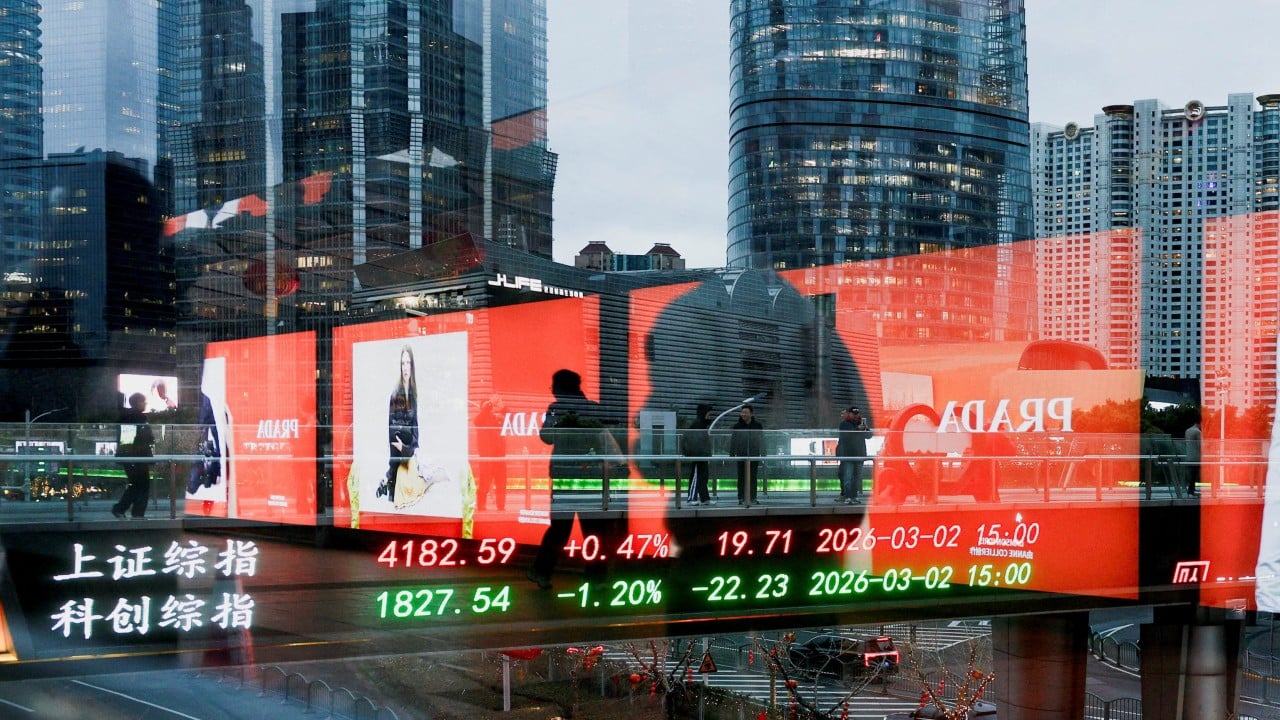
Chinese listed firms’ third-quarter dividend payments lag behind the global average, according to a report by Capital Group, throwing doubt over the effectiveness of Beijing’s ongoing stock market stabilisation plans.
In China, dividends only rose 5.3 per cent on a core basis in the third-quarter, compared with global growth of 7.5 per cent, according to the Dividend Watch report released by Capital Group on Wednesday.
Globally, 88 per cent of companies in the Capital Group index increased dividends or held them steady. But in China, that number was only 66 per cent.
The report comes as China’s stock market experienced its worst month in a decade, with the CSI 300 index - which tracks major Chinese companies traded in Shanghai and Shenzhen - dropping 8.5 per cent, driving its overall annual loss to over 13 per cent. Some experts have attributed the slump to China’s weak consumption levels and its ongoing property debt crisis.
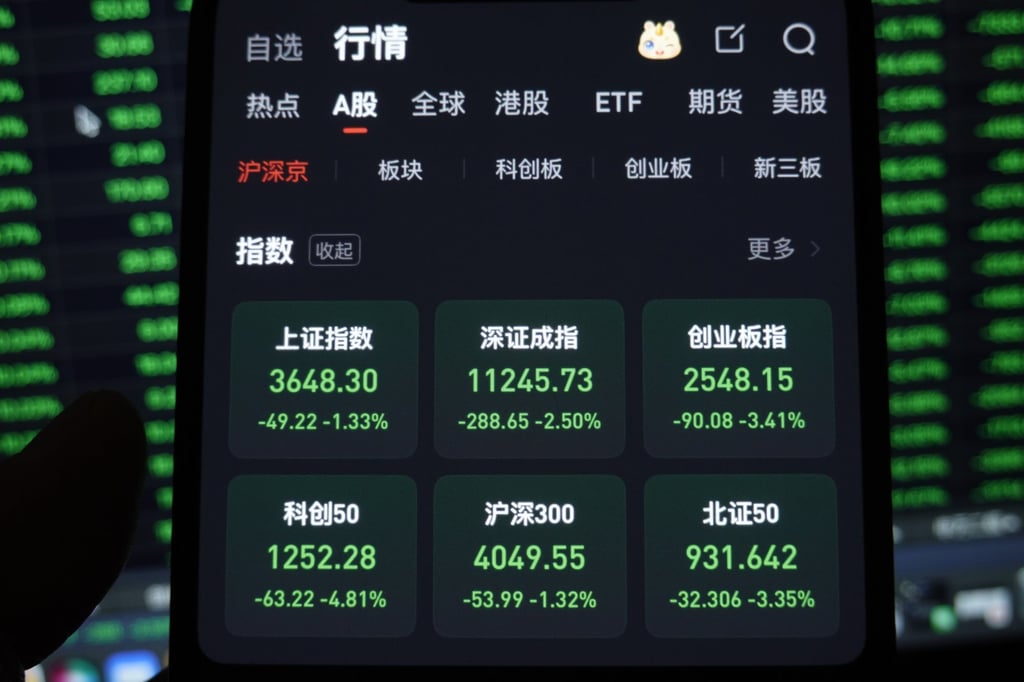
In response, Beijing announced a host of stabilisation measures on Monday aimed at increasing liquidity, cutting rates for share buy-back loans and easing curbs on leveraged trading.
China’s financial, chemicals and mining sectors were significant contributors to its dividend growth, according to the report, but the market remained “exposed to weakness in property and exports”.
Overall, Chinese dividend growth remained uneven, “with payouts closely linked to earnings performance and formal payout policies, resulting in greater variation between companies and sectors”, according to a Capital Group press release.
By contrast, the US saw 5.8 per cent core growth, with 96 per cent of US companies either increasing payouts or holding them steady, reflecting an economy that “continued to generate sufficiently strong earnings growth in diverse industries”, according to the report.
Asia-Pacific – excluding mainland China, Hong Kong and Japan – showed the second strongest regional core growth at 13.3 per cent, with Taiwan the only major market in the region to set a new third-quarter record.
Hong Kong outpaced the regional average by scoring a core growth of 6.9 per cent, producing a total combined core dividend growth of 5.5 per cent when included with mainland China.
“Risks remain, including elevated energy costs, trade tensions and divergent monetary policy,” said Alexandra Haggard, head of product for Europe and Asia-Pacific at Capital Group, though she added that the “underlying backdrop remains healthy”.
Globally, dividends reached a third-quarter record of US$546 billion. Capital Group projected this year’s total dividends to amount to US$2.24 trillion.
KioskNews shows a cleaned-up reading view extracted from the publisher’s page — the original always lives on their site, not ours.