NY congressman to introduce bill protecting video game ownership
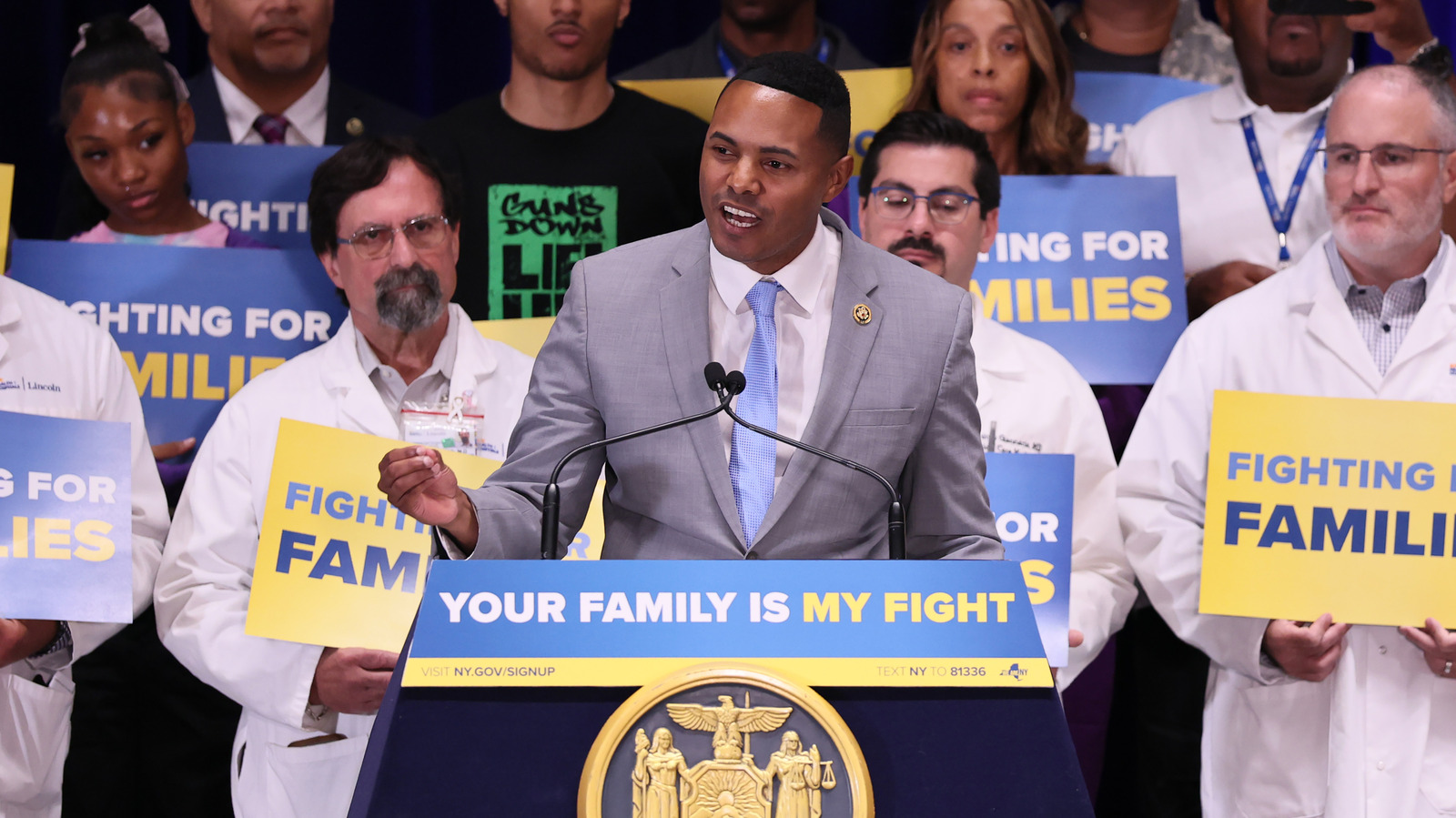
Representative Ritchie Torres wants the FTC to establish regulations ensuring you can play the games you've purchased.
Michael M. Santiago/Getty Images
Representative Ritchie Torres (D-NY) has announced plans to introduce a bill calling on the Federal Trade Commission to protect people's ability to own and play the video games they've purchased. The Power to the Players Act hasn't been introduced in Congress yet — but at least in spirit, it sounds like it lines up with the Stop Killing Games campaign, a movement lobbying for protecting game ownership in a landscape dominated by digital software licenses that can be revoked at a moment's notice.
The announcement for Torres' bill specifically mentions NBA 2K25, which serves as a good example of what's at stake. The basketball game launched in 2024 for $70, and is now being removed from digital storefronts on October 30, just two years after it was released. While games getting delisted isn't uncommon, 2K's decision to also shut down the servers supporting the game's online modes in December effectively means players won't own the same game they paid for by the end of the year.
The Power to the Players Act would direct the FTC to prevent similar situations from happening by making it so players own games rather than license them, and forcing companies to offer an offline mode if a game's servers are being taken down. In an interview with Kotaku, Torres said enforcing the protections would be a "restoration to the historical norm" that existed before games were primarily sold digitally. He suggested it could also inspire calls for similar protections to be extended to digitally purchased books, movies and music.
Of course, there are several potential obstacles that could get in the way of that happening. Torres' bill could die in committee, just like a California bill that offered similar protections at the state level did in June. Relying on the FTC to regulate is also far less of a sure thing than it used to be. Following a 2024 Supreme Court decision to overturn Chevron deference, a legal doctrine that directed courts to defer to federal agencies' interpretation of potentially ambiguous legislation, the FTC and other agencies have far less power. Under this new understanding of the law, the commission's attempts to regulate the game industry could be blocked in the same way its ban on noncompete clauses was — by one judge deciding it lacks the authority to set rules.
Engadget has asked Torres to share a draft of the bill and comment on the possibility of the FTC being blocked by the courts. We'll update this article if we hear back.
KioskNews shows a cleaned-up reading view extracted from the publisher’s page — the original always lives on their site, not ours.