Hong Kong must ease listing rules to attract more angel funds and start-ups: HKEIA
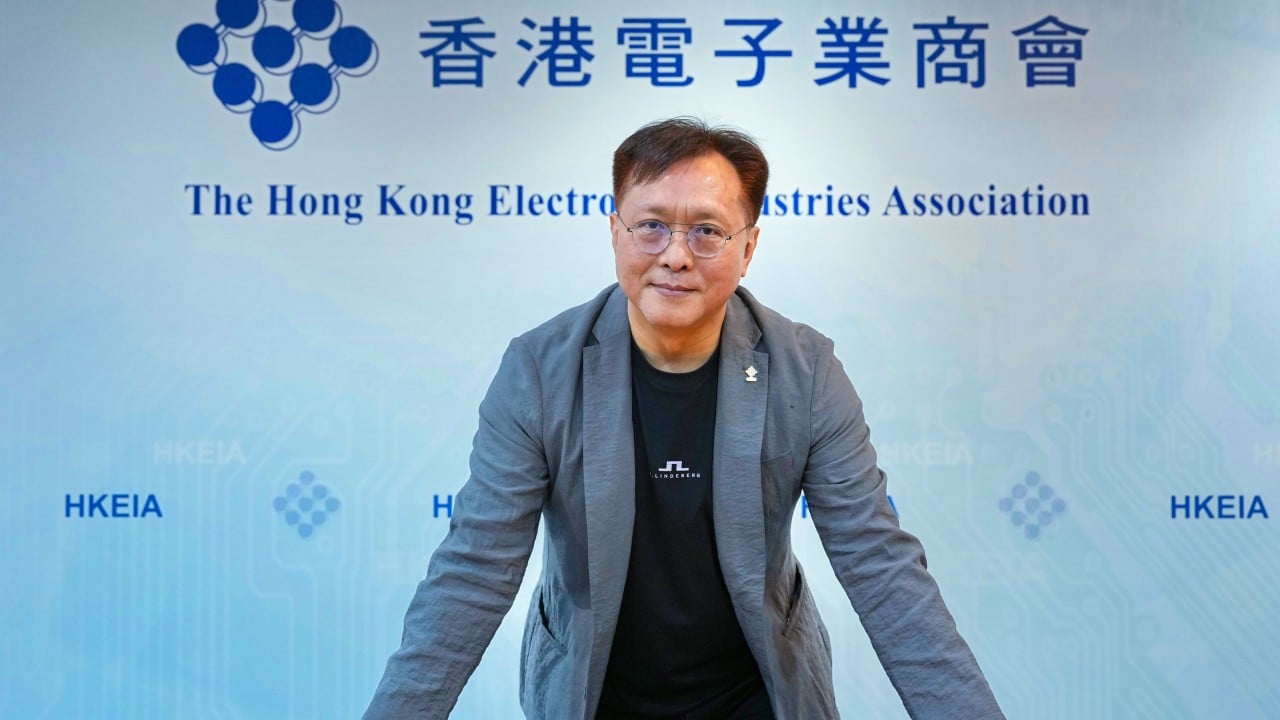
Hong Kong would need to ease its listing rules and transaction requirements to attract more angel funds and become a hub for start-ups to go global, according to a leading industry body in the city.
The city has only around 100 active angel funds – private investment vehicles targeting very early-stage innovative enterprises. This was far fewer than Shenzhen, which had about 400 such institutions, according to Samson Tam Wai-ho, honorary chairman of the Hong Kong Electronic Industries Association (HKEIA).
Besides Shenzhen, Shanghai and the United States also had many active angel funds, helping them become start-up hubs, Tam told the South China Morning Post in an interview.
“Lack of angel funds and early-stage investors for start-ups is the weakest part of the capital market ecosystem in Hong Kong for us to attract start-up founders to come here,” Tam said.
To solve the problem, Hong Kong needed to make it easier for angel funds to cash in their investments through listings or mergers and acquisitions, said Tam, who was also an angel fund investor in many start-ups.
“In the US, it is very easy for companies to go public, which is why there are many angel funds and start-ups,” he said.
“If Hong Kong could make it simple and easy for newly set up good potential start-ups to raise funds, more angel funds would be based here, and also the start-up founders would like to set up businesses here,” Tam said.
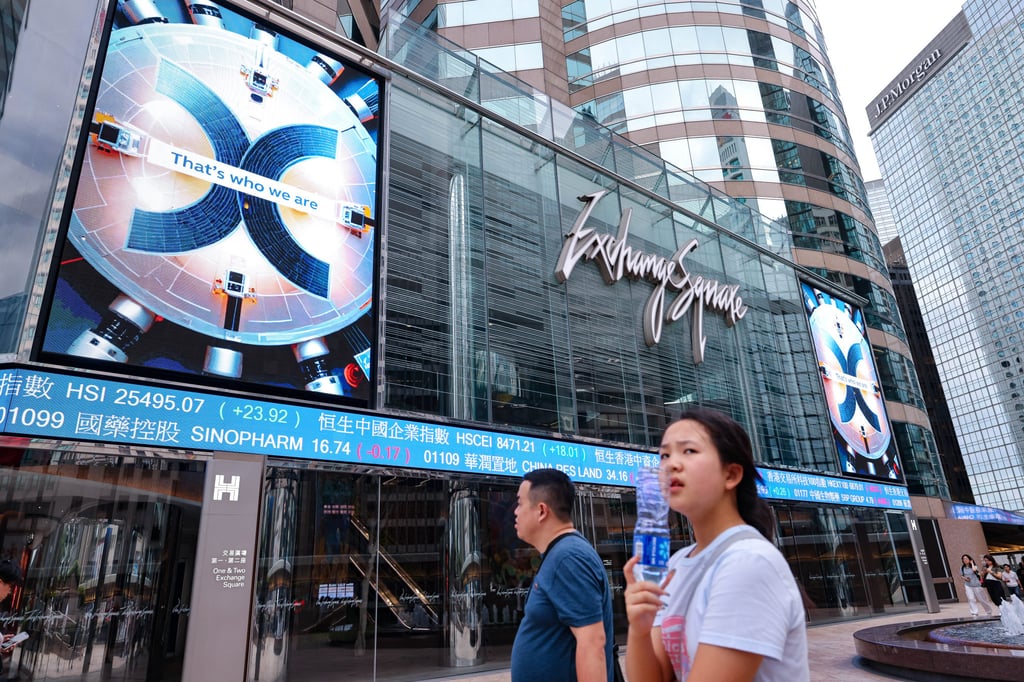
Hong Kong Exchanges and Clearing (HKEX), the city’s bourse operator, is leading the charge. In September, it launched a consultation paper proposing to shorten the post-listing waiting period for spin-offs from three years to one and reduce the number of transactions requiring shareholder approval. Analysts widely saw the proposals as a way to enhance the city’s appeal as a listing destination.
Established in 1980, HKEIA promotes the development and global expansion of Hong Kong’s electronics and technology industries. The association now has about 300 corporate members, including over 20 large listed companies such as Lenovo, VTech, Gold Peak Technology Group and others.
The association also advises on and helps organise activities that promote the city as a fundraising hub for start-ups and a technology centre, in line with the goals of the government’s five-year plan.
Hong Kong would also need to arrange more matching activities connecting start-ups with investors, Tam said. As part of these efforts, HKEIA will host a Future Industries Zone at the Electronic Fair, held from October 13 to 16 at the Hong Kong Convention & Exhibition Centre in Wan Chai. The event will unveil a list of the top 100 future industries pioneers.
HKEIA would also arrange for about 30 of the selected pioneers to meet with angel investors, family offices and other institutional investors, Tam said.
“Hong Kong has already been very successful in helping large innovative companies to raise funds in the stock market and bond market, but it needs to also help more smaller players to raise funds and go global,” Tam said.
KioskNews shows a cleaned-up reading view extracted from the publisher’s page — the original always lives on their site, not ours.