RBI Hikes Repo Rate By 25 Basis Points To 5.5% Amid Rising Inflation
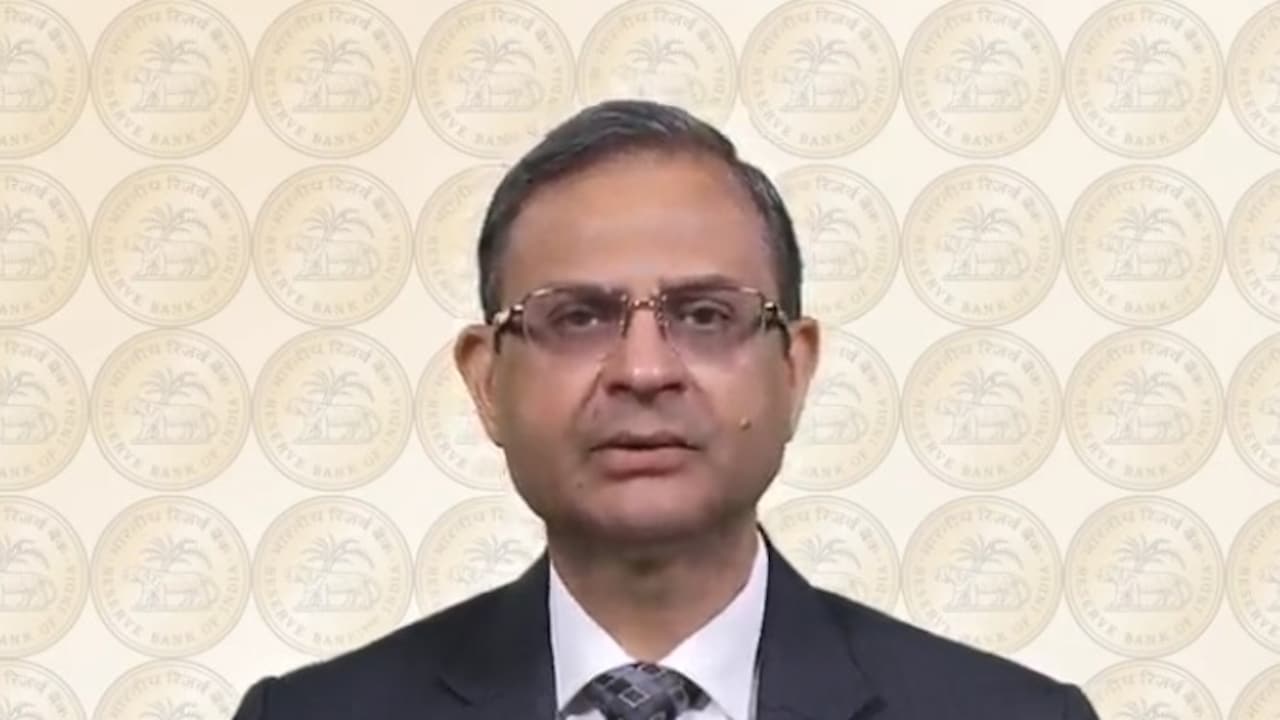
RBI MPC Meeting 2026: In line with market expectations, the Reserve Bank of India (RBI) hiked repo rate by 25 basis points (or 0.25%) on Wednesday. This is the first hike in repo rate, the rate at which the central bank lends to other banks, since February 2023.
The decision -- to increase repo rate from 5.25 per cent to 5.5 per cent -- was taken unanimously by the monetary policy committee (MPC), which is headed by Governor Sanjay Malhotra. This comes amid rising inflation, higher oil prices, and a weaker rupee.
In his MPC address, Malhotra said, "Global inflation is expected to rise. Trade uncertainty continues to linger. Global sentiment remains fragile. The impact of the Iran war could also disrupt trade and supply chains."
However, he added that the Indian economy remains strong and is expected to stay resilient. "Rate cuts are off the table in the near term," said the RBI governor.
Neutral Stance vs Calibrated Tightening: What's The Difference?
In a first since 2018, the central bank changed its monetary policy stance from "neutral" to "calibrated tightening". A neutral stance means the RBI is keeping its options open. It can raise or cut interest rates depending on how inflation and growth evolve.
On the other hand, "calibrated tightening" sends a different signal. It means the RBI is now leaning towards tighter monetary policy and is prepared to act if inflationary pressures persist. In simple terms, the shift suggests that rate cuts are off the table in the near term, while another hike cannot be ruled out if inflation risks worsen.
The RBI has also raised its core inflation forecast for the current financial year to 4.4 per cent from 4.3 per cent earlier.
RBI Raises GDP Growth Forecast
The rate hike has come despite a stronger growth outlook. The RBI has raised its real GDP growth forecast for the year to 7.1 per cent from 6.7 per cent earlier. The central bank said economic activity has maintained momentum in the second quarter, covering July to September.
Manufacturing activity has held up despite cost pressures. The services sector remains steady and broad-based. Fixed investment is also continuing to remain strong. Private consumption and investment are expected to remain key drivers of growth. Net exports have also stayed positive.
There are, however, some weak spots. The RBI flagged weakness in non-durable goods and domestic air traffic. Supply chain disruptions could also weigh on growth. A weak monsoon and the possibility of an El Nino event could affect the Rabi season. At the same time, rural and urban demand is expected to remain sustained.
Commenting on the rate hike, Suraj Mehta, Chief Strategy officer HNGIL, told NDTV, "While a 25-basis-point increase in the repo rate is understandable in the context of current inflationary pressures, it does add marginally to the cost of capital at a time when manufacturers are already navigating higher energy and input costs. Despite the challenging global environment and supply-chain disruptions, domestic demand and India's growth fundamentals remain supportive. A calibrated approach to monetary policy, alongside continued focus on easing supply-side constraints, will be important to sustain the momentum in industrial investment and manufacturing."
KioskNews shows a cleaned-up reading view extracted from the publisher’s page — the original always lives on their site, not ours.