What is the importance of Qeshm Island to Iran, why does the US keep targeting it? - explainer
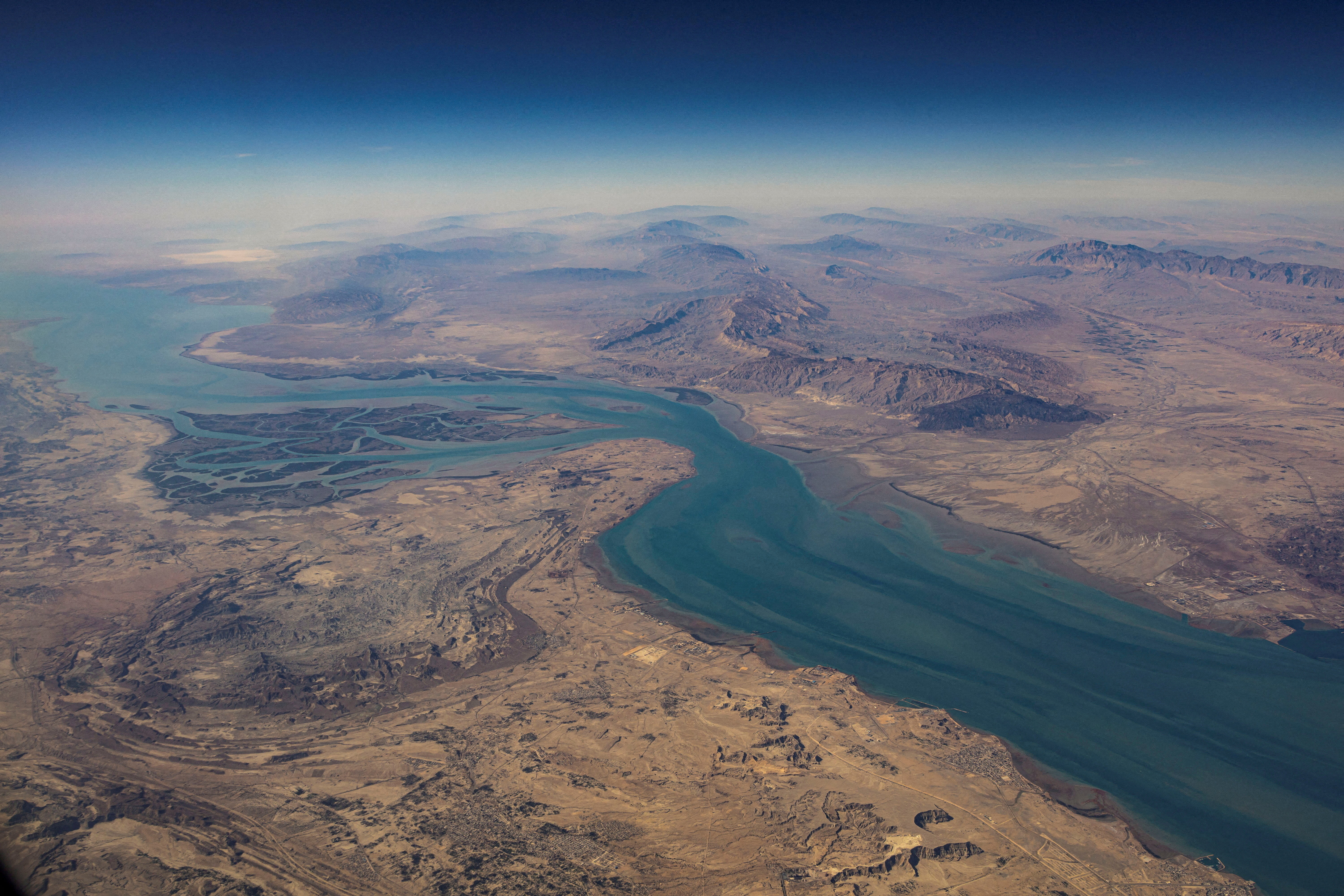
The island is both a threat and a vulnerability for the Iranian regime; the same geography that allows Iran to threaten shipping in Hormuz also exposes its military infrastructure to US strikes.
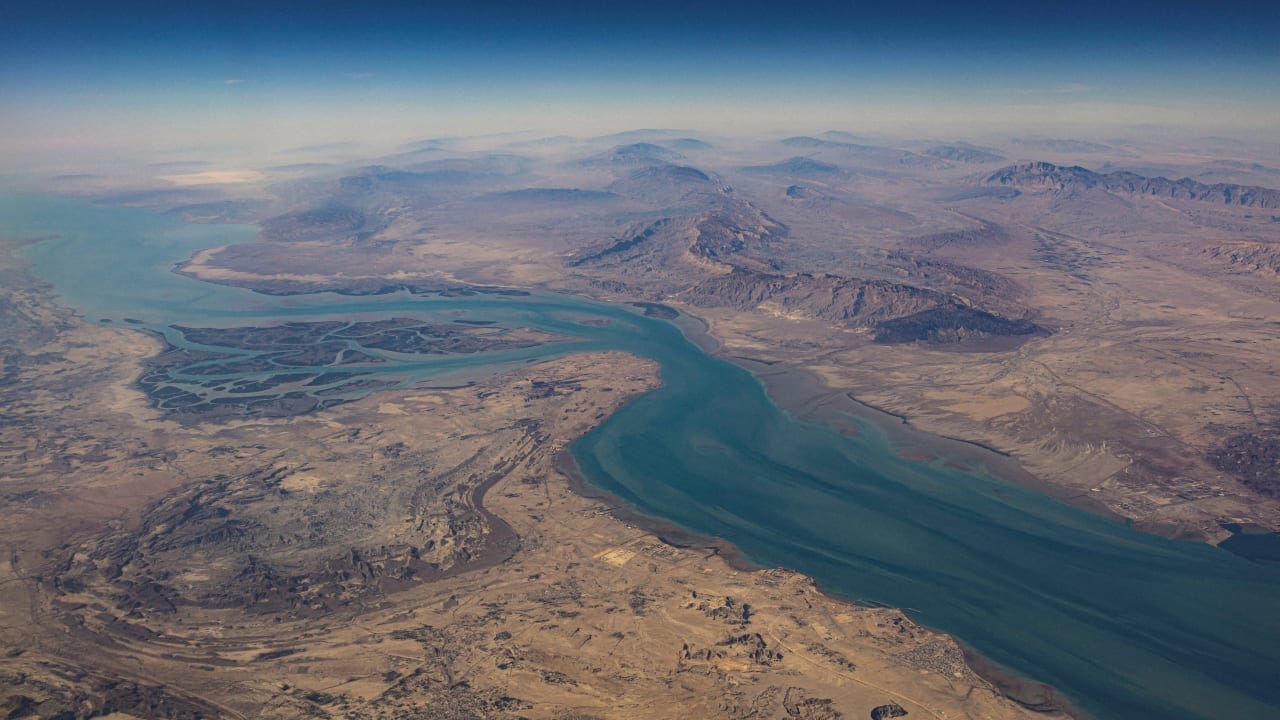
The US carried out strikes on Iran’s Qeshm island overnight. This is not the first time the US has struck the island. There were strikes in June when the US targeted Iranian surveillance installations on Qeshm and at the Goruk islands. This came after Iran launched drone threats from the area. With Qeshm in the news again, it’s worth understanding why it matters. Al-Ain media in the UAE calls the island an “eye” on Hormuz and also a “blind spot” in Iran’s defenses.
The dual nature of the island, as both a threat and vulnerability for the Iranian regime, is interesting. The same geography that enables Iran to threaten shipping in the Strait of Hormuz also exposes its military infrastructure to US strikes.
According to Al-Ain News, US forces carried out strikes on Qeshm Island on Monday, November 2. The report cited US media accounts and officials who indicated that the strikes were limited in scope. One US official told Reuters that the attacks “appeared to be limited and did not represent a resumption of large-scale combat operations.” The reported strikes came amid continuing tensions between Washington and Tehran and renewed questions about whether the United States might expand military operations against Iran.
Al-Ain notes that Qeshm is located approximately 22 kilometers south of Bandar Abbas, the Iranian port city that serves as an important center for the Islamic Revolutionary Guard Corps Navy. The island is more than 130 kilometers long and therefore has a lot of coastline threatening the Strait of Hormuz. The island is also around 40 kilometers wide at its widest point.
The location of the island gives Iran the ability to monitor shipping and deploy forces threatening vessels moving through the strait. Tehran has invested heavily in various types of naval threats via its IRGC using small fast boats. Iran also has anti-ship missiles, drones and coastal surveillance systems.

Al-Ain News reported that Qeshm contains extensive underground military infrastructure associated with the IRGC. These facilities reportedly include weapons depots, missile launch platforms, radar installations and fortified shelters for naval vessels. A new video circulating online on November 3 appears to show an Iranian underground facility that houses various weapons systems. It is not clear where the bunker is located. Iran is signaling it has many ways to threaten the Gulf countries and the US if war begins again.
Qeshm Island functions as both a symbol of strength and weakness
The island represents a kind of physical aircraft carrier for Iran. A large landmass that enables Iran to threaten shipping and hide small vessels and other munitions. Iran does not need to maintain a conventional naval fleet capable of fighting the US Navy in open waters. Instead, it can seek to complicate maritime operations through missile batteries, small vessels, and unmanned systems. All it has to do is present a threat. It doesn’t have to fight one-on-one odds. It can face immense odds, and it knows that just one missile getting through is a major threat.
Qeshm also illustrates the limitations of this Iranian octopus-like menace. Fixed infrastructure, such as fortifications, is vulnerable. Radar systems, launch sites, communications networks, and entrances to underground facilities can be targeted. The United States does not necessarily need to destroy every missile or naval vessel to weaken Iran's ability to coordinate attacks.
Qeshm is part of the wider chessboard on which Iran seeks to play its dangerous game. Iran has spent decades investing in various ways to threaten shipping and the Gulf countries, and also US bases. The United States and its partners have sought to prevent Tehran from translating that threat into control over one of the world's most important energy corridors. Some argue the US is winning this contest of attrition. Some see the high oil prices, still around $100 a barrel, and note that Iran is still having an effect.
KioskNews shows a cleaned-up reading view extracted from the publisher’s page — the original always lives on their site, not ours.