Gaza on stage: concert activism meets Malaysia, Singapore red lines
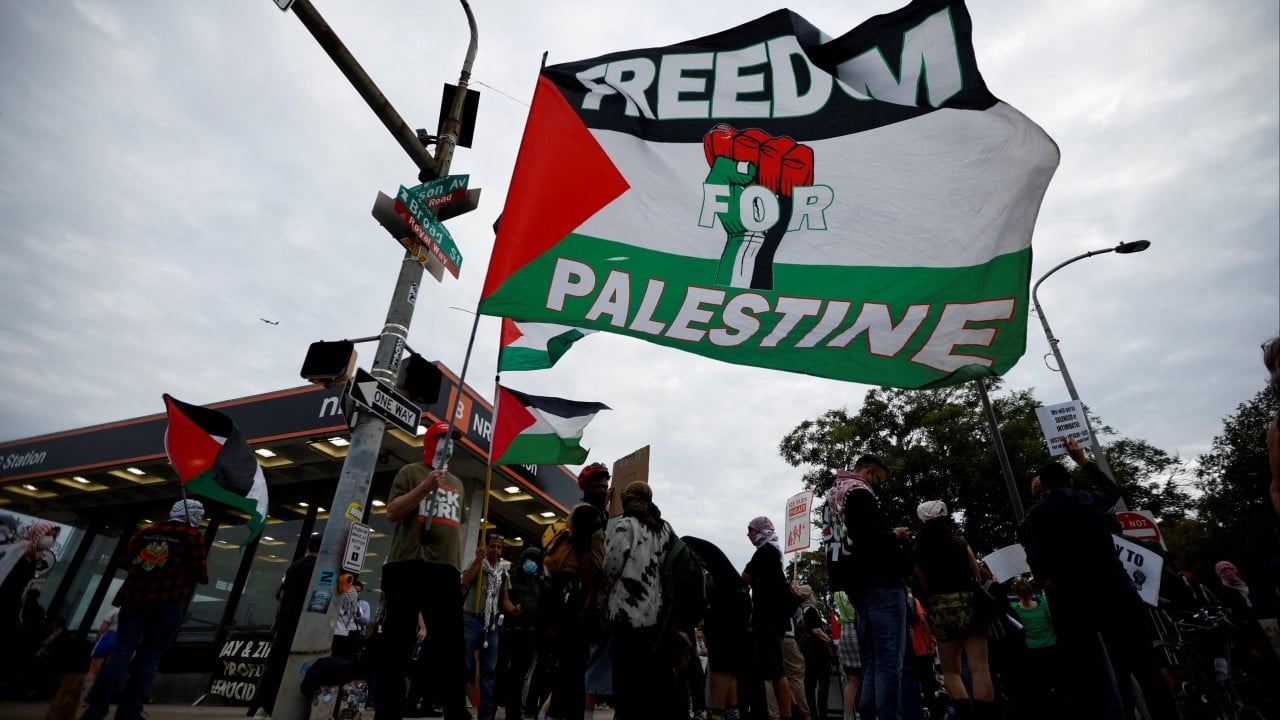
American rapper Macklemore lost his spot on British pop star Ed Sheeran’s US tour after speaking up for Palestinians, but in Malaysia it was Sheeran’s music which ended up being pulled from the airwaves.
In neighbouring Singapore, British band Massive Attack faced a different kind of fallout, barred from returning after members displayed a Palestinian flag during a July concert.
The contrasting cases highlight the competing pressures on foreign artists in Southeast Asia, where political expression can cross different red lines set by governments, promoters, venues and audiences, analysts and industry figures say.
In Malaysia, where public support for the Palestinian cause runs deep, promoters must still weigh an artist’s politics against commercial considerations and concert rules. Singapore, meanwhile, draws a sharper line between humanitarian expression and what it considers political advocacy.
The disputes come amid demands for musicians to speak out against Israel’s actions in Gaza. A UN commission of inquiry concluded last year that Israel had committed genocide, a finding Israel rejected.
Macklemore’s removal from Sheeran’s tour after declaring “Free Palestine” at a New Jersey concert this month prompted other supporting acts to quit. Promoter Messina Touring Group said stadium owners would not accept him on the bill, while stadium owner Robert Kraft cited allegations of antisemitic rhetoric, which the rapper rejected.
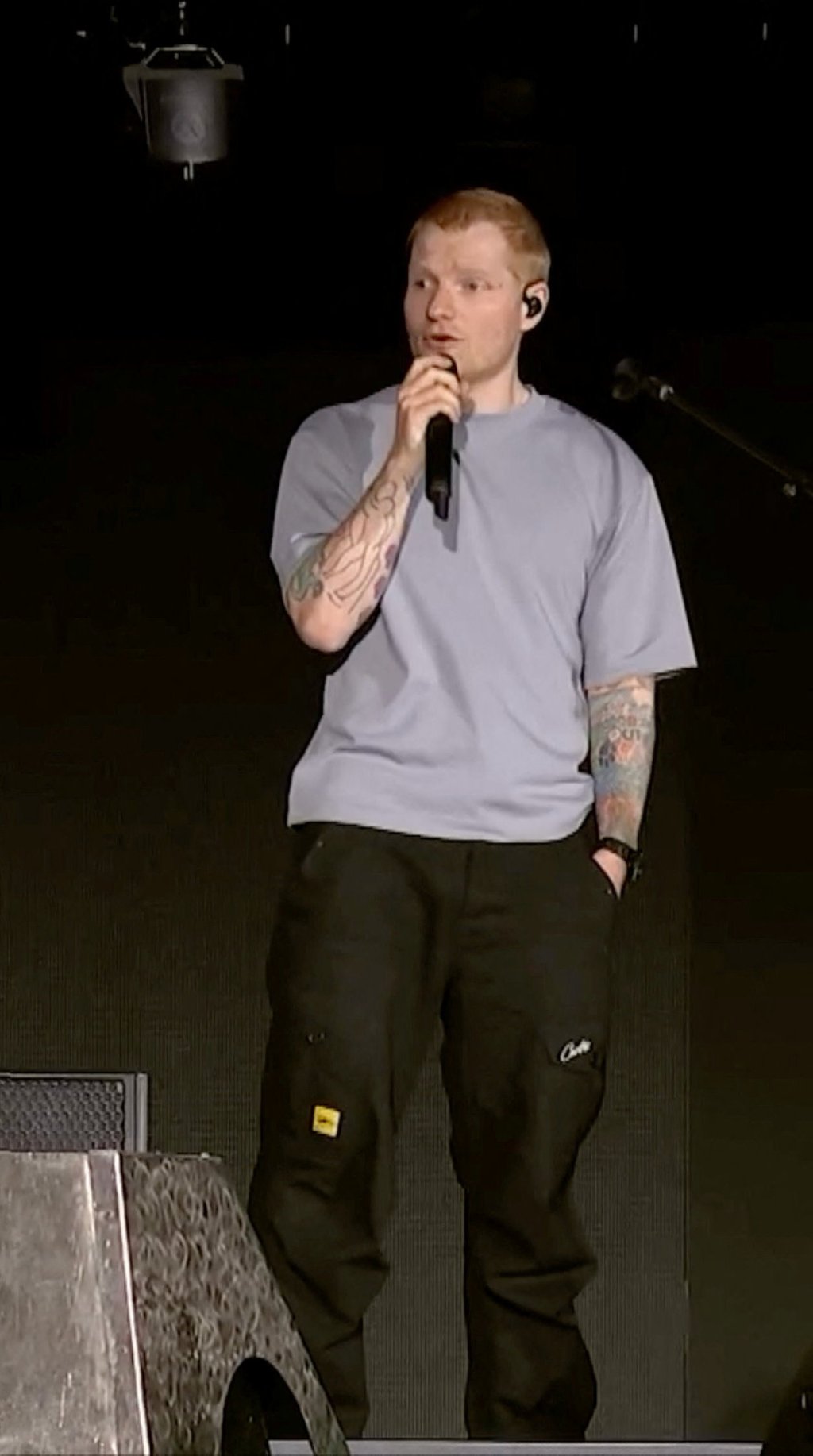
On September 15, Sheeran said the decision to remove Macklemore was the promoter’s, after venues on the tour threatened to pull their shows if the rapper remained.
Three days later, Malaysian radio station Fly FM pulled Sheeran’s songs, declaring that “some things matter more than music”.
Sheeran apologised for his handling of the dispute at a Philadelphia concert the following day, calling the situation in Gaza “catastrophic and unjustifiable”.
The pressures on foreign artists in Malaysia extend beyond the airwaves. Foreign acts must also comply with concert rules, leaving promoters to balance an artist’s political stance with commercial considerations and authorities’ requirements.
Rohit Rampal, founder and chief executive of Malaysian concert organiser Hitman Group, said an artist’s political stance would not automatically rule out a booking, but ticket demand was only part of the decision.
“Their public perception, suitability for the Malaysian market, and brand all come into play,” he told This Week in Asia. “A decision that’s considered acceptable or necessary in another market may be perceived very differently in Malaysia.”
Asked how he would respond if an overseas partner wanted a pro-Palestinian performer dropped, Rampal said he would raise the prospect of a Malaysian backlash and explore alternatives.
“International tours involve many stakeholders, and not every decision is ultimately within the control of the local promoter,” he said.
Stage directions
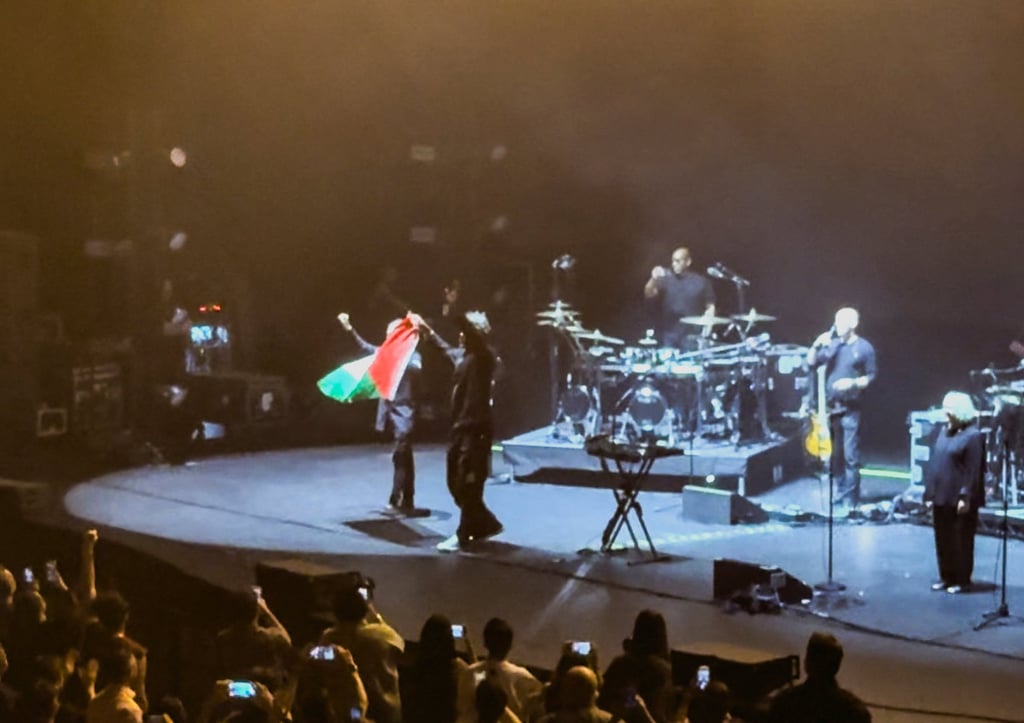
In Singapore, two members of Massive Attack received stern police warnings after displaying the Palestinian flag at their July 29 concert, with one shouting “Free Palestine”. Both were banned from re-entering the country, and authorities said future applications for the band to perform would not be accepted.
Abraham Vergis, managing director of Providence Law Asia, said Macklemore’s actions could be considered political advocacy in Singapore and invite a similar reaction from authorities.
“At the very least, I would expect a police investigation and some difficulty getting approval to perform here again,” he said.
The purpose of an artist’s intervention mattered, Vergis said. “Expressing sorrow for those caught in a war, or calling for peace, is unlikely to trouble anyone. Leading a crowd in political slogans or waving a flag on stage is different, because that is asking the audience to take a side in a foreign conflict.”
Singapore does not allow the open display of foreign flags, national emblems or banners without a permit.
Tan Kiat How, senior minister of state for digital development and information, said earlier this month that while Singapore did not prohibit artists from “expressing concern” for those affected by global conflicts, the city state “should not be used by foreigners as a platform to further political causes, including those relating to conflicts or political issues overseas”.
Sociologist Tan Ern Ser said most Singaporeans probably opposed mixing politics and entertainment, although some welcomed artists speaking about causes they supported.
“While I don’t think there is any serious polarisation in Singapore, there would be some who are fine with, even encouraging of, having an entertainer with a message on Palestine and Gaza,” he said.
Concert conditions
In Malaysia, American gospel singer Israel Houghton’s proposed October appearances in Sabah state have drawn objections over his support for Israel.
Sabah police commissioner Jauteh Dikun said on Monday that police would advise postponement if a formal application were submitted, state news agency Bernama reported. None had reached the state government despite publicity advertising the shows.
Houghton had expressed support for Israel in a social media post on October 8, 2023, according to Bernama. Checks by This Week in Asia found the post was no longer available.
Foreign performances require approval through the Unit for Application for Foreign Filming and Performance by Foreign Artiste, known as Puspal. Organisers must also be able to halt shows that breach conditions.
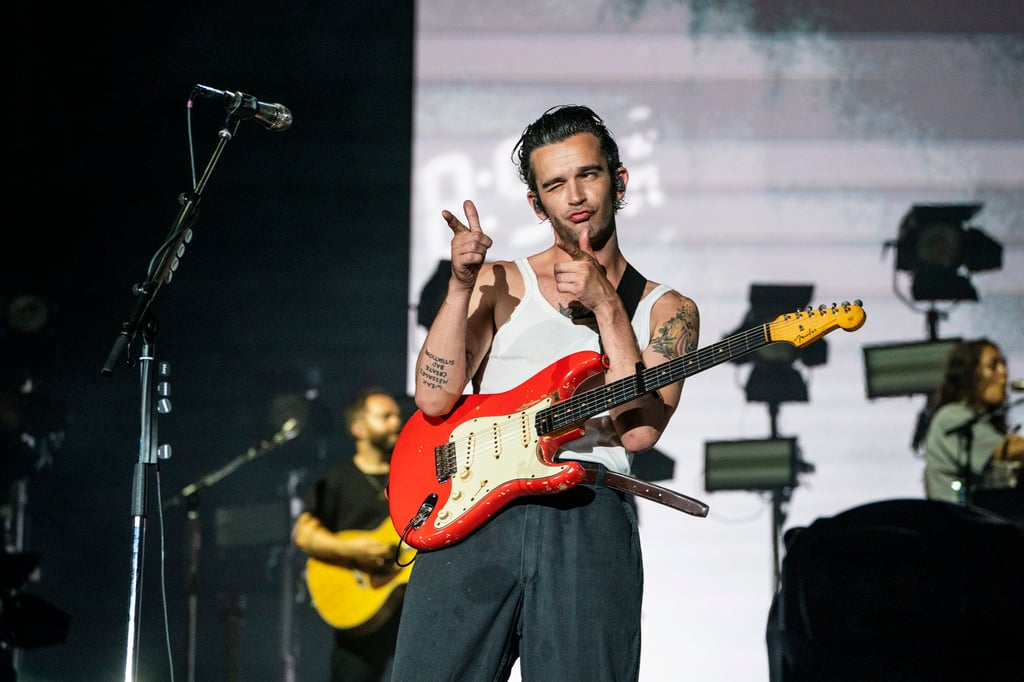
The “kill switch” measure followed British band The 1975’s performance at the Good Vibes Festival in 2023, when frontman Matty Healy criticised Malaysia’s anti-gay laws and kissed a male bandmate, prompting authorities to cancel the rest of the festival.
Later that year, Prime Minister Anwar Ibrahim defended Coldplay against calls to cancel its Kuala Lumpur concert, citing the band’s support for Palestinians, while organisers agreed to a kill switch.
Korean-American singer Eric Nam cancelled a planned Kuala Lumpur show in 2023, citing threats after liking a post about the Israel-Gaza war. Bruno Mars performed there in 2024 despite Muslim student activists’ objections over his previous concerts in Israel.

Benjamin Loh, a communication and media studies lecturer at Monash University Malaysia, said authorities would be mindful of protecting the country’s standing as a concert destination even when public pressure mounted.
“Musicians are bound by their popularity, and any hit to their reputation will directly impact their income,” he said.
A Pew Research Centre survey published in June found that 89 per cent of Malaysians and 86 per cent of Indonesians viewed Israel unfavourably.
Musicians from both countries have used their work to raise money for Palestinians. Cholil Mahmud, vocalist of Indonesian band Efek Rumah Kaca, and Malaysian artists Noh Salleh and Kayda collaborated on Our Power, released in July with royalties pledged to Palestinian aid.
“We hope this song encourages people in Indonesia and Malaysia, and their governments, to care more about this issue,” Cholil told Indonesian outlet Medcom.
Malaysian singer-songwriter Azmyl Yunor, who also lectures at Sunway University, said treating Palestinian solidarity as an unwelcome intrusion of politics missed the depth of support for the cause at home.
“It’s beyond politics – it’s about being human,” he told This Week in Asia. “The Malaysian public, from what I’ve observed, has a clearer and broader understanding of the issue, albeit with some confirmation bias based on your own personal beliefs and faiths.”
While commercial pressure still discouraged mainstream musicians from speaking out, “pop artists who have a broader potential to influence their audiences can do more,” Azmyl said.
KioskNews shows a cleaned-up reading view extracted from the publisher’s page — the original always lives on their site, not ours.