How Oaxaca’s La Ventanilla turned tourism into conservation
Standing on La Ventanilla beach is a breathtaking experience. In the distance, a rock formation shaped like a window frames 15 kilometers of pristine beach — one of the last protected areas on the Oaxaca coast. This area remains largely untouched thanks to the Zapotec community, which began transforming it into an oasis for local wildlife, particularly turtles and crocodiles, 30 years ago.
By the late 1990s, the crocodile and turtle populations in La Ventanilla, located in the municipality of Santa María Tonameca, were on the verge of extinction. Their skins were highly valued in trade, and turtle meat and eggs were part of a local culinary tradition, often prized for their supposed aphrodisiac properties.
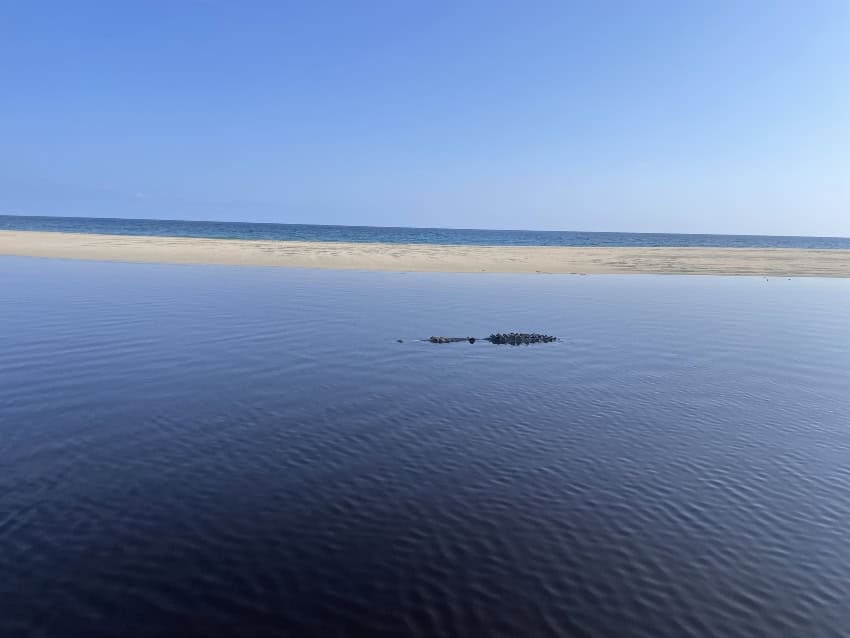
National laws protecting crocodiles were enacted in the late 1970s, followed by turtle protection in the early 1990s. By 1998, Mexican authorities in La Ventanilla had imposed stricter penalties for poaching and strengthened the reserve’s overall protection. “It was then that the community, led by individuals like Agustín Reyes and Vicente García and guided by NGOs, began a revolutionary shift in both mentality and economics,” said Eulalio Cortés, a member of the cooperative.
This community effort led to the creation of the Ecotourism Cooperative La Ventanilla. Today, it is a global model for conservation, successfully balancing ecotourism with the protection and well-being of local flora and fauna.
The importance of La Ventanilla for conservation
La Ventanilla is renowned for its beauty, but it also hosts a unique ecological phenomenon. During the rainy season, saltwater from the sea and freshwater from the lagoon converge. This mixing supports rich biodiversity and creates an ideal breeding environment. This period is also optimal for crocodile mating, and these predators play a crucial role in the mangrove and lagoon ecosystems by controlling the populations of other species. Simultaneously, the healthy mangrove forests act as a natural barrier against hurricanes and are vital for carbon sequestration in the fight against climate change.

Furthermore, turtle nesting is essential to maintaining this ecological balance. La Ventanilla thrives thanks to the efforts of 30 families dedicated to protecting this equilibrium. The project is registered as a Wildlife Conservation Management Unit and operates under a management plan approved by the Department of the Environment and Natural Resources, known by its Spanish acronym Semarnat.
Conservation activities include protecting the lagoon and mangroves, managing crocodile populations on a small island, and conducting nightly monitoring for biometric research. These efforts provide valuable opportunities for university students and researchers, while responsible tourism supports the project’s sustainability.
Today, the cooperative protects at least 300 American crocodiles, along with species such as deer, iguanas and various birds, using a self-sustaining model. This is funded through silent, nonmotorized boat tours of the mangroves and visits to the small island where the animals are cared for.
Science, tourism and livelihoods
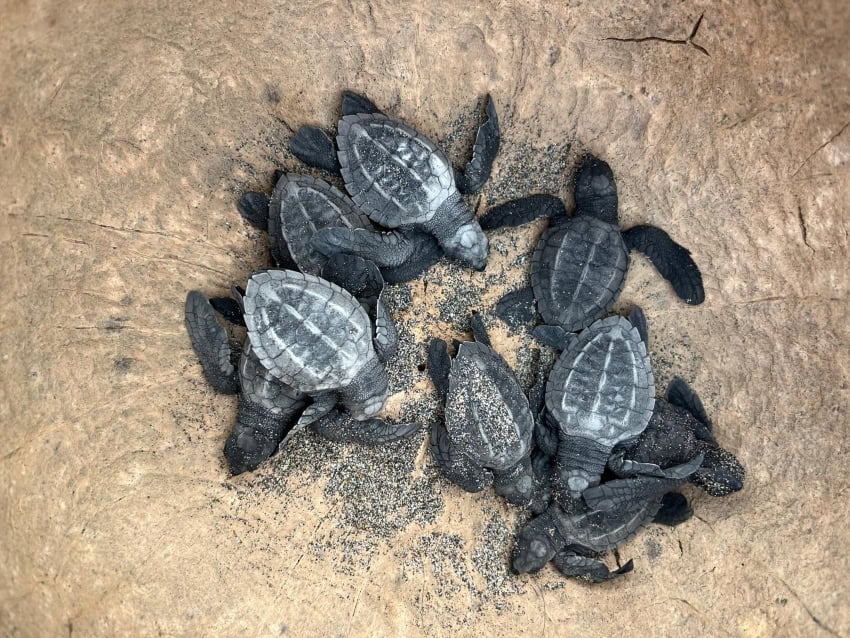
The cooperative organizes two activities for tourists that double as vital conservation efforts. During the turtle nesting season, members monitor the beach nightly to collect eggs, transferring them to a protected shelter to shield them from predators and poachers. A small group of tourists is welcome to assist in this process.
Additionally, around 6 p.m., cooperative members release thousands of hatchlings into the sea. Tourists can also participate in this experience, directly contributing to conservation. According to Rocío García, a member of the project, between 25,000 and 30,000 turtles are released here annually.
The island tour allows visitors to see crocodiles up close, with the fees from these tours used to feed the animals. Today, the community relies on tourism not only for its livelihood, but as a means to protect the lagoon, the mangroves and the thousands of creatures that call this area home.
Their work is increasingly vital, demonstrating that local communities are essential to mangrove conservation at a time when, according to the National Commission for the Knowledge and Use of Biodiversity (Conabio), Mexico has lost more than 27,000 hectares of mangrove forest in the last five years alone.
Ana Paula de la Torre is a Mexican journalist and collaborator for various outlets, including Milenio, Animal Político, Vice, Newsweek en Español, Televisa and Mexico News Daily.
KioskNews shows a cleaned-up reading view extracted from the publisher’s page — the original always lives on their site, not ours.