Ever Since I Knew Myself review – confronting the scars of childhood
The scars imprinted on impressionable young minds can never fully fade away. Aiming her lens at a rocky beach thrashed by crashing waves, Maka Gogaladze opens her intimate film with a painful anecdote from her adolescent years. Through on-screen texts against a stormy sky, the Georgian film-maker recalls the time she dumped all of her poems into the garbage. The impulsive decision was a gesture of rebellion against her domineering mother; Gogaladze had wanted her to feel guilty.
This debut feature would appear, at first glance, to be another act of revolt. Putting her mother in front of the camera, Gogaladze asks probing, at times blunt, questions about the strict education thrust on her in childhood. Together, they talk about piano lessons that ended in tears, and tough academic exams that continued to haunt the director well into her adulthood. Their contrasting personalities are fascinatingly revealed across these conversations in all their tension, yet these sequences also represent a moving effort to reach across generational differences.
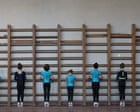
Gogaladze widens the frame to include a series of observational vignettes shot at various children’s classes in Georgia. The subjects vary – history lessons are sandwiched between ballet and dance sessions – yet the disciplined atmosphere remains the same. Even during art class, teachers leave little room for individual expression or debate. Obedience, rather than dialogue, is the order of the day.
At times, the transition between Gogaladze’s personal story and these external sections feels jarring, requiring extra layers of contextual information. Still, it shows that the film is interested in more than just education. For a nation that has undergone invasion numerous times, it is perhaps understandable that Georgia would place such an emphasis on collectivism. Under pressure to uphold a homogenous national identity, however, childlike wonder and innocence is in danger of being lost permanently.
KioskNews shows a cleaned-up reading view extracted from the publisher’s page — the original always lives on their site, not ours.