Indonesia’s 100GW solar plan needs China, but who pays the US$73 billion bill?
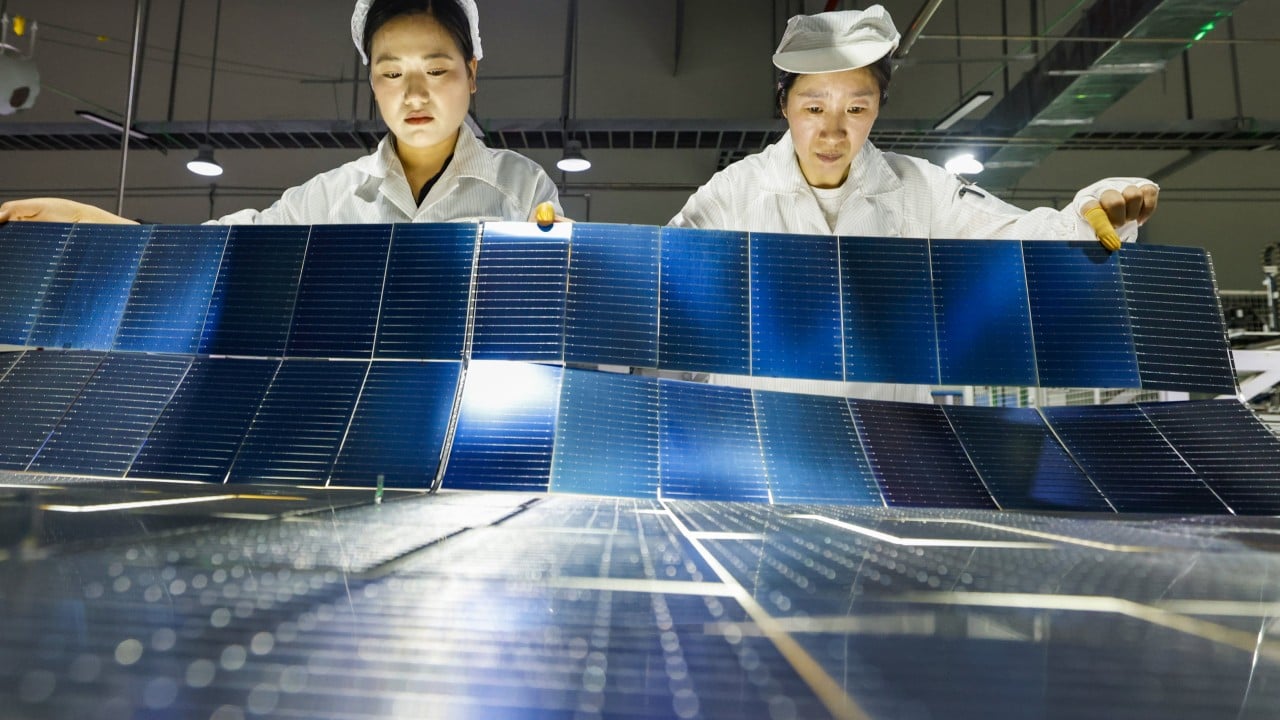
Indonesia is turning to China for a major expansion of solar power and energy storage, but a new report warns that a multibillion-dollar funding gap and demands for greater domestic control will complicate the plan as the country’s energy ties deepen.
The report, published on Monday by the Jakarta-based Centre of Economic and Law Studies (Celios), found that Chinese investment in Indonesia’s energy sector was expanding beyond nickel processing and electric-vehicle battery production, which had dominated cooperation under former president Joko Widodo.
It comes as Indonesian President Prabowo Subianto has sought to curb reliance on foreign technology and secure greater benefits for domestic manufacturers, raising questions about how the two countries will manage the next phase of their energy partnership.
“There’s been an understandable shift in China’s investment, diversifying into solar PV [photovoltaic panel] production and energy storage, partly due to an oversupply in nickel-based EV battery output,” Celios executive director Bhima Yudhistira Adhinegara told This Week in Asia.
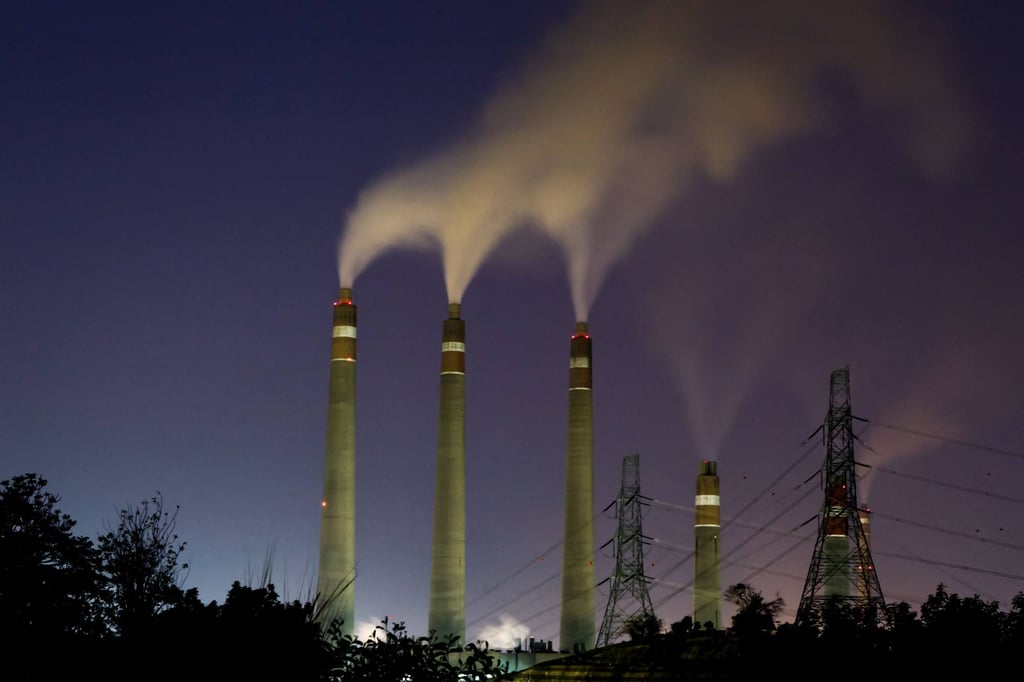
Indonesia aims to develop 100 gigawatts of solar capacity by 2029 under a programme Prabowo launched in August, with an estimated cost of US$73 billion. The first phase covers 14 solar plants with a combined planned capacity of 5.3GW.
However, Indonesia’s domestic panel-making capacity is only 1.6GW to 3GW a year, according to Celios, leaving it heavily reliant on Chinese equipment and technology even as the government tries to build out its own green-energy manufacturing sector.
The solar programme could eventually cut Indonesia’s carbon emissions by about 140 million tonnes a year and create 5.52 million jobs, according to government estimates.
Rosan Roeslani, head of Danantara, said on October 26 that two Chinese companies had shown interest in Indonesian solar projects. Danantara is the sovereign wealth fund Prabowo set up last year to manage all state-owned enterprises and their investments. Rosan did not name the companies or disclose any investment figures.
‘A huge bill’
Bhima said that funding was the biggest obstacle to the solar plan. “China can sell us the panels. It will not pay for the whole programme. US$73 billion is a huge bill, and Chinese money covers only a small part of it,” he said.
Failure to secure additional domestic and multilateral funding soon could put the 100GW target out of reach, Bhima said.
Bhima said the government “also needs to come up with a detailed procurement process to assure investors”.
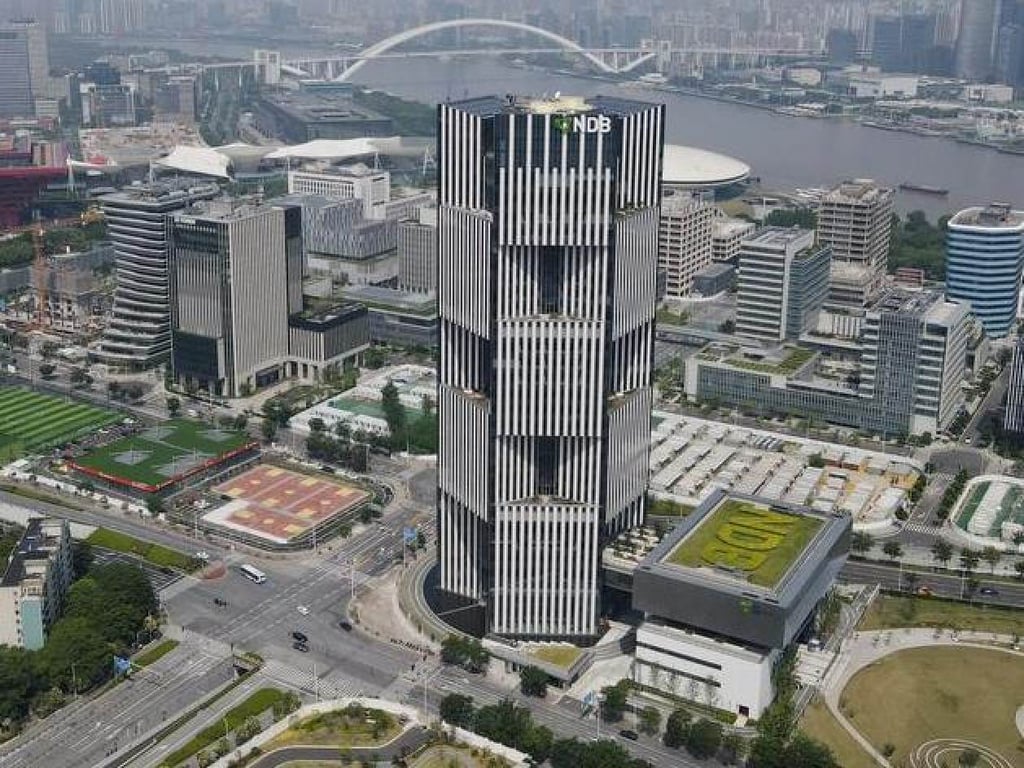
He cited “regulatory uncertainty” as another hurdle. Indonesia has no feed-in tariff – a guaranteed price paid to producers of renewable energy – and legislation on renewable energy has been repeatedly delayed.
Indonesia was “committed to constructive engagement with Chinese companies”, government spokeswoman Jasmine Herawan said in response to such concerns, adding that it was working to ensure that investment aligned “with applicable regulations and Indonesia’s long-term development priorities”.
Bhima said Danantara could speed up Chinese-backed projects, but so far “hasn’t been involved much with [them] … even if it now has a global portfolio”. In August, the fund entered into a US$2.5 billion partnership with global meat-processing giant JBS.
The government’s negotiations with Chinese investors had lacked transparency and coherence, Bhima said, pointing to the Titan battery project, a venture between China’s Zhejiang Huayou Cobalt and Indonesian state miner Antam.
That project had been due to break ground in October 2025, but in January the energy ministry acknowledged that talks were taking longer than expected.
The companies have since signed a framework agreement, but project ownership and other terms are still being discussed.
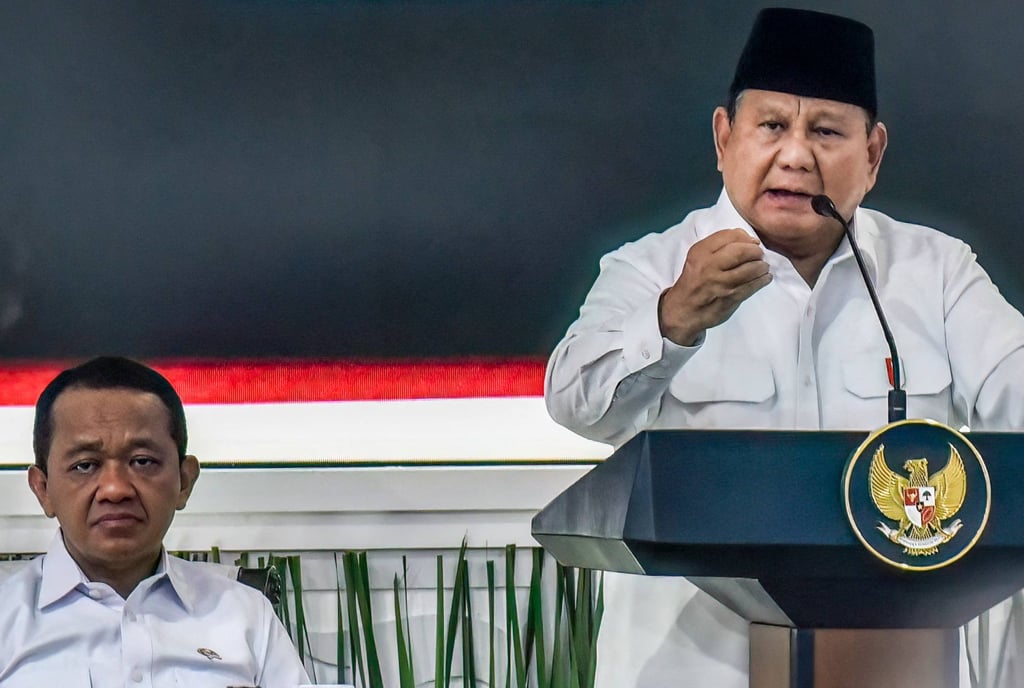
Energy Minister Bahlil Lahadalia has said Indonesia wants a majority stake in the upstream operations, such as mining and processing raw materials, with the Chinese consortium keeping a majority stake in downstream manufacturing because it provides the technology.
Bhima said Prabowo’s administration regarded state ownership as crucial, but “alas this hasn’t been clearly articulated to Chinese investors”.
Ahmad Nurcholis, an international relations specialist at Sriwijaya University in Palembang, South Sumatra province, sees a change in approach to investment since Prabowo’s predecessor.
“Jokowi saw China as the ‘Big Brother’ who could help Indonesia with his investment whereas Prabowo sees Indonesia as more or less China’s equal,” he said, referring to Widodo by his popular nickname.
Ahmad claimed Prabowo chose Russia over China as a partner for nuclear power plants to avoid overdependence on one power.
“Why put all your eggs in one basket? Sovereignty through hedging one power against another is one maxim Prabowo seems to go by,” he said.
Ganewati Wuryandari, a professor of international relations and energy security at Indonesia’s National Research and Innovation Agency, said China-linked projects had always received adequate priority and regulatory coherence at the national level.
Some were designated national strategic projects from the start, “bypassing a lot of red tape and otherwise cumbersome processes”, she said.
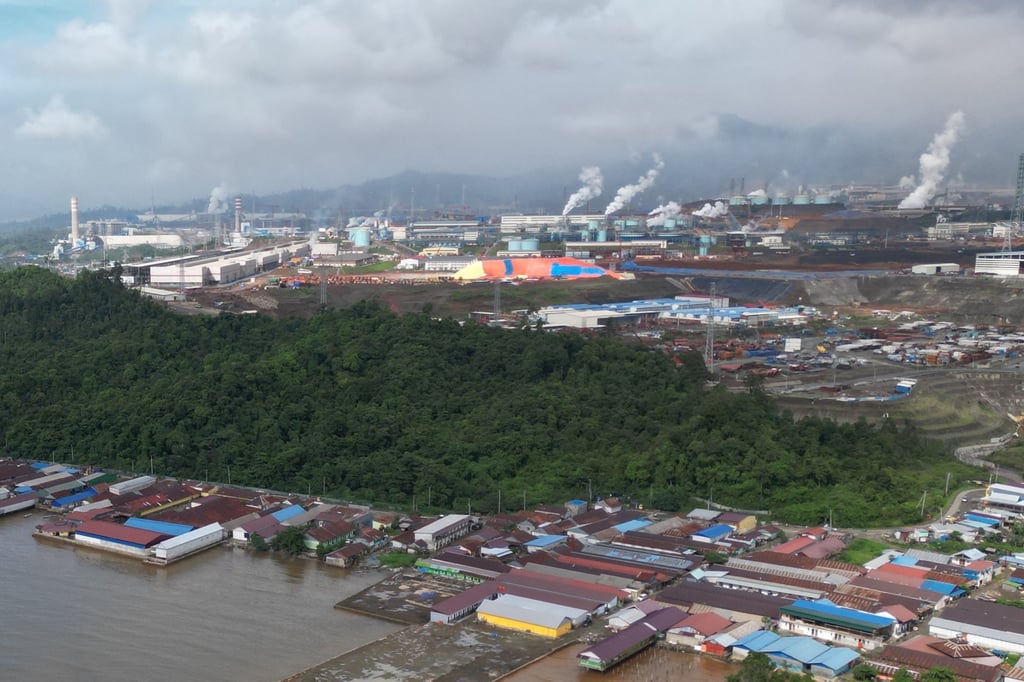
Ganewati gave the example of Indonesia Morowali Industrial Park, a joint venture between China’s Tsingshan Group and Indonesia’s Bintang Delapan Group that Widodo inaugurated in 2015 and is now one of the world’s largest nickel processing centres.
Syahdiva Moezbar, an industry analyst at the Centre for Research on Energy and Clean Air in Jakarta, said long-term success would depend on “turning industrial momentum into real technology transfer and building local manufacturing capabilities beyond model assembly”.
Community discontent
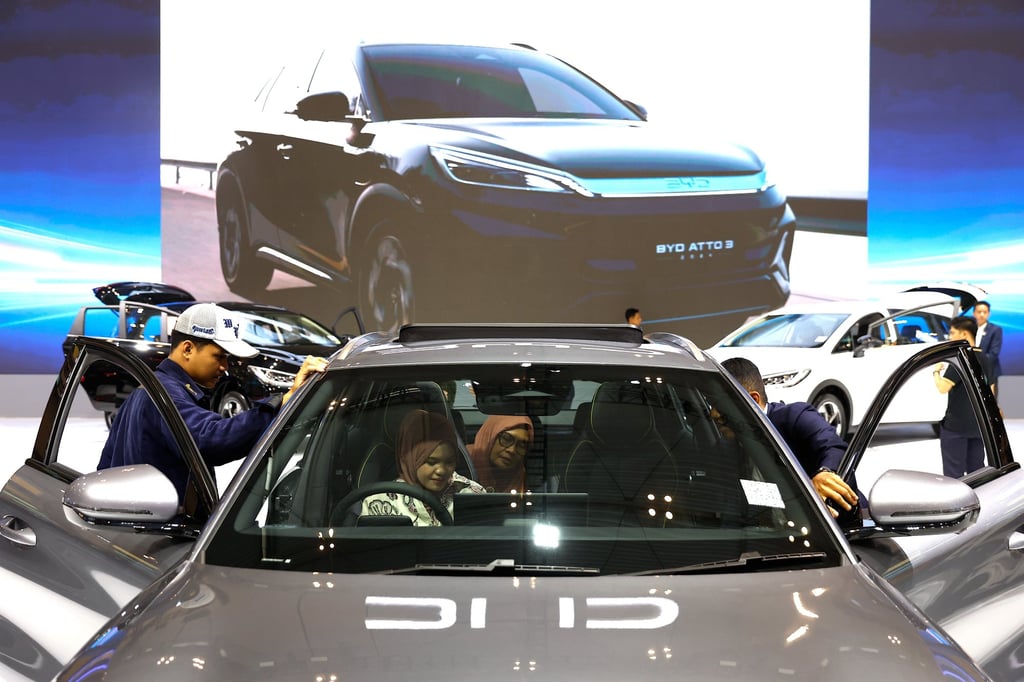
Local opposition has also caused issues in the recent past. On October 28, hundreds of residents of Subang, West Java, protested outside a factory Chinese EV maker BYD opened the month before, demanding more jobs for local people.
Industry Minister Muhammad Sarmuji acknowledged the dispute, telling local media there were “sometimes different perspectives between industry and the community” when it came to employment opportunities.
West Java authorities said BYD had advertised about 3,000 positions and hired more than 800 workers through a provincial recruitment platform, and had met local officials and representatives of the protesters.
Ganewati said the dispute showed how deals struck at the national level could encounter difficulties with local implementation.
“While our central government is generally good at negotiating with its Chinese counterpart, it often overlooks mitigating local aspirations and conditions,” she said.
Muhammad Zulfikar Rakhmat, director of Celios’ China-Indonesia desk, identified a lack of coordinated communication as another issue.
He said the two governments typically communicated via separate forums with no shared agenda, leaving disputes to be handled on a case-by-case basis.
“Indonesia needs one forum, one project list and one ministry in charge of all the projects involved,” he said.
KioskNews shows a cleaned-up reading view extracted from the publisher’s page — the original always lives on their site, not ours.