Deadline for change: How APEC is accelerating Shenzhen's makeover - and what could last
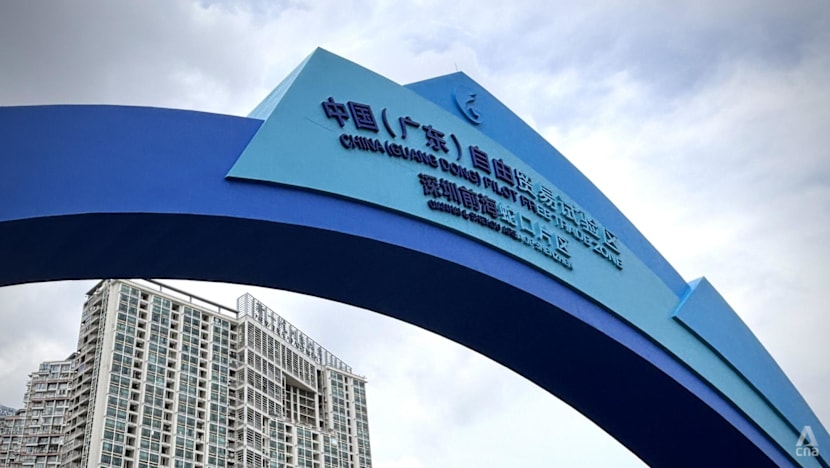
SHENZHEN: When Briton Sophie Spencer-Beeley moved to Shenzhen from England’s West Midlands five years ago for work, even something as simple as choosing a restaurant could be difficult.
The problem was not a lack of options, but finding reliable information in English.
“It’s not easy to find information about the city,” the 28-year-old marketing specialist told CNA. “Most information is on Chinese sites in Chinese, and a lot of the information on Western sites is quite outdated.”

Now, as Shenzhen prepares to welcome world leaders for the Asia-Pacific Economic Cooperation (APEC) Economic Leaders’ Meeting on Nov 18 and 19, authorities are tackling some of the same obstacles foreigners like her have faced.
From correcting foreign-language signs and expanding translation and payment services to tightening e-scooter management and stepping up underground safety inspections, the southern Chinese city is undergoing a wide-ranging makeover ahead of the high-profile gathering.
Many of these efforts were already underway, but APEC has injected fresh urgency into the work.
“Once the date of the leaders’ meeting is set, the various tasks have a completion deadline that cannot be postponed,” Zhang Jingjia, associate researcher at Nankai University’s APEC Study Centre, told CNA.
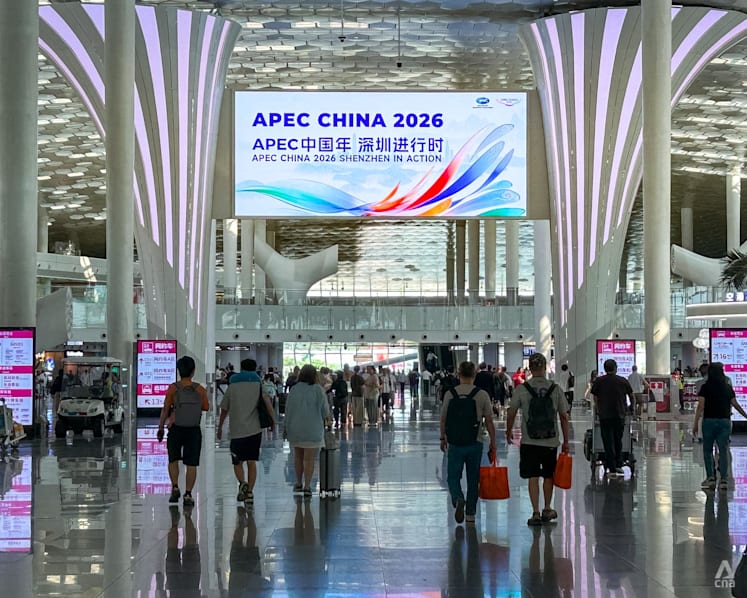
Chinese President Xi Jinping is expected to host the gathering of leaders from 21 APEC economies, with United States President Donald Trump also indicating plans to attend.
But whether the improvements endure beyond the summit is less certain.
Experts said the longer-term test would be whether they become part of Shenzhen’s regular systems - and whether the city attracts more foreign talent and business after the leaders leave.
SIGNS OF CHANGE
For Bao Yihui, 34, Shenzhen is already a highly convenient place to live.
The education consultant said most of her daily needs can be met within about 1km of her home in Nanshan, a southwestern district home to some of China’s biggest technology companies.
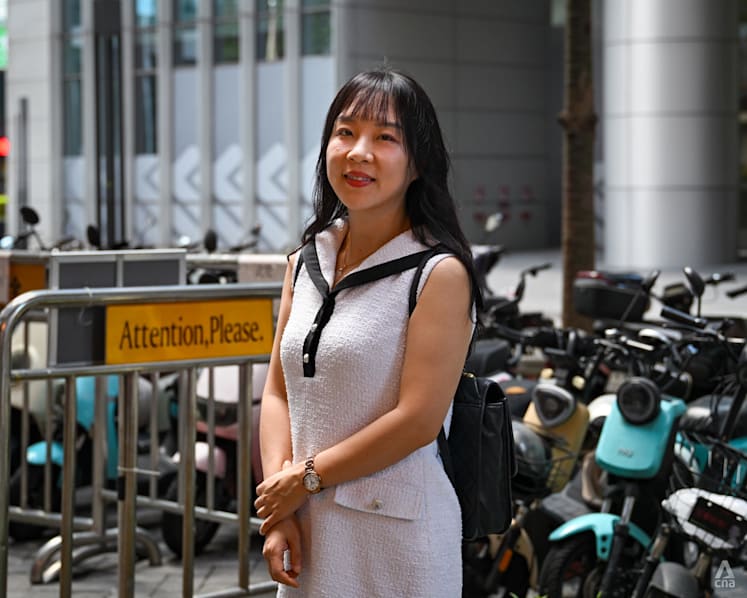
But after some of her students joined the Woodpecker Initiative, she began to wonder whether newcomers found the city as easy to navigate.
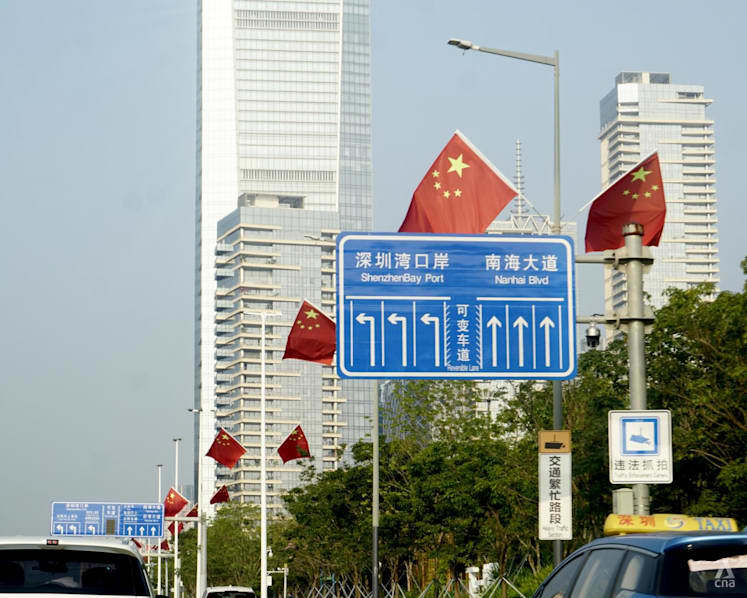
Launched ahead of APEC, the programme enlists volunteers to identify inaccurate or unclear foreign-language signs and flag them for correction.
“A road sign that we take for granted - would a foreign visitor understand it when they arrive for the first time … could it send them the wrong way?” Bao told CNA.
By August, Shenzhen authorities said more than 40,000 instances of non-standard foreign-language signage had been corrected since the campaign began late last year.
The improvements come as Shenzhen receives growing numbers of foreign visitors. The city recorded about 2.09 million overnight visits by foreign travellers in 2025, up 70.1 per cent year-on-year, according to official data.
Efforts to bridge the language gap have extended beyond signs.
More than 5,000 taxis operated by state-owned Shenzhen Bus Group now carry artificial intelligence translation devices supporting 146 languages, with similar assistance available at selected transport hubs.
Making payments easier is another area of focus.
Daily transactions in China rely heavily on Alipay and WeChat Pay, which may be unfamiliar to short-term travellers.
Foreign bank cards can be linked to WeChat Pay, although transactions above 200 yuan (US$30) may incur a 3 per cent fee.
Tencent, which owns WeChat and is headquartered in Shenzhen, has introduced a 90-day transaction fee waiver for first-time WeChat Pay users who link international bank cards, covering eligible spending of up to 1,000 yuan a day.
The measure was announced in May as part of a broader push to make payments easier for overseas visitors, timed to coincide with China's hosting of APEC.

Visitors can also use selected overseas digital wallets without setting up WeChat Pay.
ShopeePay users from Singapore and Thailand, for example, can scan participating Weixin Pay merchant codes directly. Weixin Pay is the mainland Chinese version of WeChat Pay.
Tencent told CNA that APEC was “an important opportunity to further improve payment convenience for international visitors”.

Another long-planned upgrade has come online just weeks before the summit.
The new Huanggang Port, a 24-hour border crossing between Shenzhen and Hong Kong, opened on Oct 12.
Eligible Hong Kong residents and mainland visitors using the joint automated lanes queue and present their documents just once to complete immigration checks on both sides.
Foreign tourists travelling on ordinary passports use staffed counters instead. They also queue once, but present their documents separately to each side.
Authorities expect the new arrangements to cut overall clearance time from about 30 minutes to five.
While the redevelopment was years in the making, its opening marks a lasting upgrade to cross-border travel as Shenzhen seeks to strengthen its position as an international hub.
DIGGING DEEPER
Shenzhen's APEC preparations go beyond making the city easier for foreign visitors to navigate.
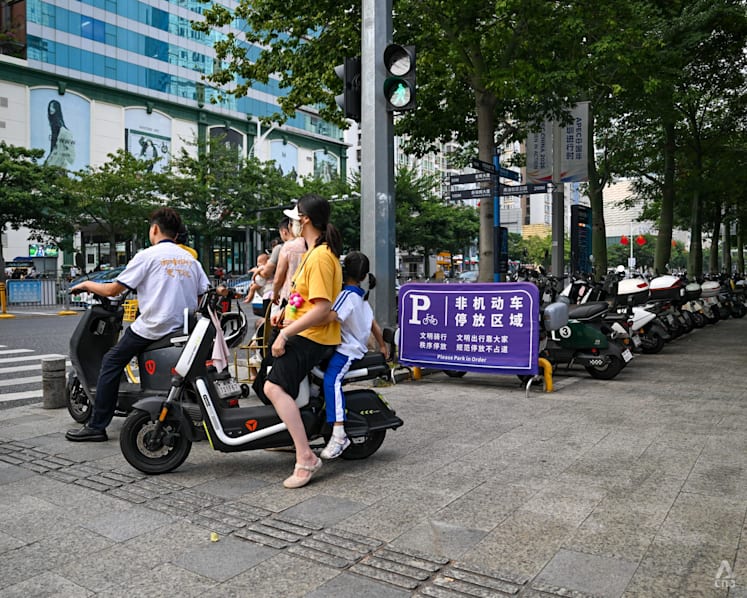
In many areas, marked bays and new signs now direct where e-scooters should be parked, following tighter enforcement ahead of the summit.
Other work is taking place beneath the surface.
In August, part of Binhai Avenue, a major route linking Nanshan with Futian, the city’s administrative and financial centre, collapsed.
It was the second such incident along the road in less than two years. No casualties were reported in either case.
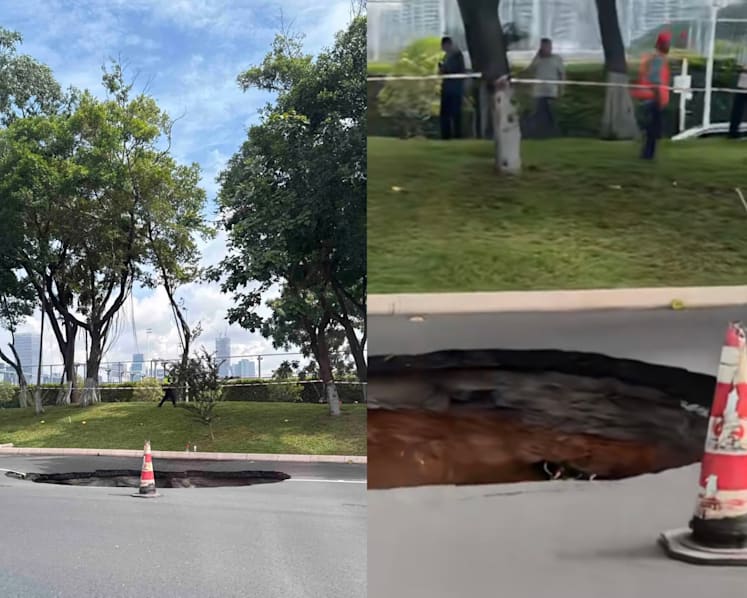
While the incidents occurred separately, they have highlighted the importance of detecting underground hazards as Shenzhen steps up safety inspections ahead of APEC.
The city’s 2026 ground-collapse prevention plan requires at least 9,769km of traffic lanes and pavements to undergo ground-penetrating radar inspections before November, about 52 per cent higher than last year’s minimum target.
It also calls for intensified checks ahead of APEC, with inspection volumes in key summit districts potentially doubling.
“These inspections are carried out routinely, but they will be intensified during the APEC period,” said Lyu Li, executive director at DECOD Technology, a company specialising in ground-penetrating radar.
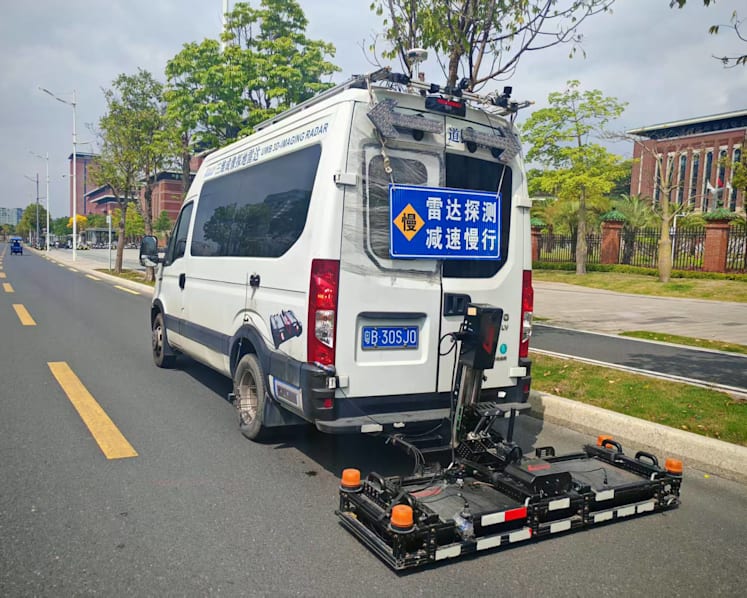
Its radar-equipped vehicles scan for underground gaps and other hazards without digging up roads. The company conducts inspections in Guangming district, away from the main summit venue in Futian, and was not involved in investigating the Binhai Avenue collapse.
Lyu said selected roads may be inspected more frequently during APEC to ensure travel safety.
The inspections will continue after the summit, she added, although routine work will cover roads more broadly rather than concentrating on selected stretches.
BUILT TO LAST?
Not all of Shenzhen’s APEC-driven changes are likely to endure.
“Whether a change can be sustained depends on whether it meets the city’s long-term development needs and can be turned into a regular institutional arrangement,” said Zhang from Nankai University.
Improvements to payment services and transport links are more likely to last because they benefit residents, visitors and businesses beyond APEC, she noted.
Security controls, traffic restrictions and intensive clean-ups, however, are likely to recede after the summit, given the resources needed to sustain them.
But making Shenzhen more internationally accessible goes beyond better services, analysts said.
“At a deeper level, Shenzhen’s next step is to move gradually from improving infrastructure and service details towards regulatory alignment and institutional opening-up,” Zhang said.
That would include closer alignment with Hong Kong and international rules, she added.
Zhai Kun, a professor at Peking University’s School of International Studies, said better payment, transport and language services could help overseas businesses enter Shenzhen’s industrial and innovation networks.
Longer-term indicators would include growth in foreign talent, international air links, service trade and technology exports, he told CNA.
Another measure would be whether more multinational companies choose to locate research, financing and supply-chain operations in Shenzhen.
“Ultimately, these indicators will be reflected in market choices,” Zhai said.
Beyond business decisions, Shenzhen's international appeal will also depend on the experiences of foreigners who live and work in the city.
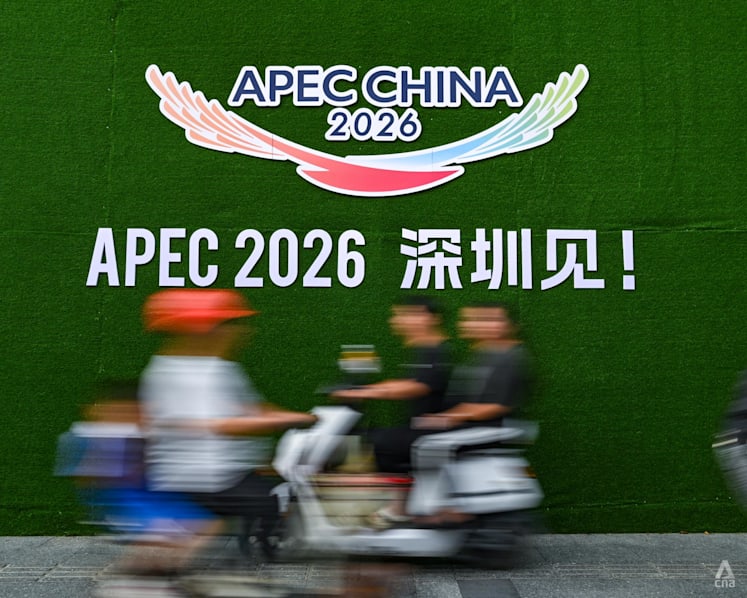
For Spencer-Beeley, private Mandarin lessons have helped her overcome the language barriers she initially faced. She no longer needs translation assistance.
While she believes expanded translation services will help newcomers, learning the local language has brought her more than convenience.
“It’s really helped me experience so much more and have a richer time here than if I didn’t learn any Mandarin,” she said.
KioskNews shows a cleaned-up reading view extracted from the publisher’s page — the original always lives on their site, not ours.