ENVIRONMENTAL JUSTICE: African climate voices demand fair funding and influence before COP31
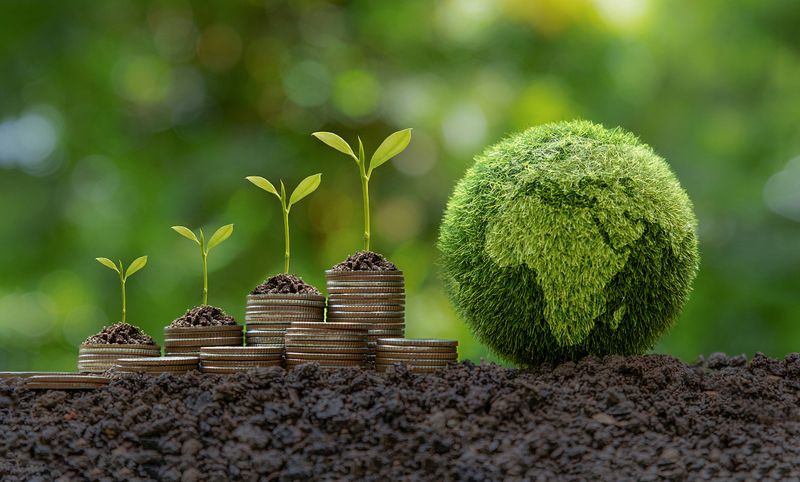
The continent that along with the rest of the Global South did the least to cause climate change faces severe impacts, yet remains marginalised in shaping climate policy and solutions.
Now a new campaign is calling for climate commitments to be implemented fairly, putting Africa at the centre of global climate negotiations before Africa’s first COP in Addis Ababa, Ethiopia, next year.
Rather than treating African countries as recipients of aid and technology, developed nations must recognise them as equal partners.
“Although African voices are heard, we do not feel listened to, and decision-making power and funding remain largely in the hands of the Global North. Africa is still treated as a recipient of technologies and solutions rather than an equal player,” says Zethu Hlatshwayo, co-founder of Khuthala Environmental Care Group in Ermelo, Mpumalanga, and a Rural EcoEmpowerment and Advocacy Project activist in the Gert Sibande District Municipality just transition forum.
The campaign Africa Can’t Wait: Interfaith Voices for Just Climate Action was launched on 8 September at the Fourteenth Conference on Climate Change and Development in Africa. Faith leaders and organisations, civil society groups and climate activists have united under this banner.
Africa Can’t Wait aims to collect one million signatures before next year’s Africa climate change meeting in Addis, COP32, calling on world leaders to implement existing climate commitments in ways that are “equitable, rights-centred, locally led and inclusive (and)... priorities include climate finance, adaptation, loss and damage, renewable energy and clean cooking, and the restoration of nature”.
Chansa MK Bwalya, a Zambian woman faith leader and youth activist in democracy and social justice, said: “COP31 must dismantle the biased narrative that Africa is merely a victim in need of rescue. Global leaders must enter COP32 ready to learn from African leadership and solutions.”
The gap between promises and action
Climate summits produce commitments to address climate change, but delivery is stalling, and critics say finance is being recycled to appear additional.
Wealthy countries missed their pledge to provide $100-billion in annual climate finance by 2020, reaching $115.9-billion only in 2022. Roughly two-thirds of this finance is in the form of loans rather than grants, increasing debt burdens.
Vulnerable nations repay seven US dollars in loan repayments and interest for every five dollars received, a report by Oxfam and the Care Climate Justice Centre found. Debt cancellation is one the key issues for African nations.
Adaptation finance is also inadequate, with only about one dollar provided for every $12 to $14 needed, according to a UN Environment Programme report.
African communities often lack the resources to prepare for and recover from climate disasters, including floods and droughts, which are becoming more frequent and more intense as the planet gets hotter.
Bwalya said:“Climate shocks cripple women’s livelihoods and health by placing an unfair burden on their domestic roles, stalling their financial independence.
“This vulnerability exposes women to abuse and strips away their access to food, land and water, underscoring why women, the environment and climate justice are fundamentally linked.”
Despite increasing climate threats, the fossil fuel industry is resisting COP negotiations to phase out fossil fuels. Thousands of lobbyists were accredited for two recent UN climate summits hosted by the oil and gas giants of Dubai (2023) and Azerbaijan (2024). They even flooded into COP30, held on the remote edge of Brazil’s Amazon forest.
Local communities are already developing solutions
While international negotiations continue, rural African communities are working on ways to strengthen their resilience to climate change – solutions that would be more effective and widespread with the right finance.
In South Africa, the Rural Action for Climate Resilience (RACR) project supports communities in the Eastern Cape and Limpopo with initiatives including water and food security and climate resilience.
A communal food garden, near Mount Frere, is an example of this. Gogos Nomakaladi Kinase and Thobeka Ngubentombi feed the local primary and high schools with their harvest and sell crops at the market. Their plot has a range of vegetables and fruit trees on its slopes.
The income they earn allows them to pay school fees and medical costs, and the women are practising agroecology. Their sustainable systems, which value saving water and seeds, and making mulch, produce healthier food for the community, free of toxic pesticides.
In Nomzamo village, Mpumalanga, a socially owned renewable energy project offers a community-led approach to development. The project seeks to improve access to affordable electricity for communities facing soaring energy costs. Using solar power, the households can cook and heat water safely, and small businesses can afford to operate.
Fair climate finance has the potential to support these locally led solutions towards a just energy and food transition. However, expanding such projects requires funding, practical support and policies that enable communities to participate in decision-making.
Africa has the resources to leapfrog dirty tech
Africa has abundant biodiversity, including mangrove swamps, wetlands, forests and rivers. These offer protection against the impact of climate change – for example, mangrove swamps protect coastlines against storm damage while the forests store carbon, provide shade and other benefits.
Destroying these ecosystems for energy would weaken natural defences against climate change. Extracting and burning fossil fuels contributes to global warming. Developed countries must provide their share of climate finance to reduce emissions, protect nature and adapt to climate hazards.
With adequate support, African countries can expand sustainable renewable energy, giving rural communities access to safer, cleaner electricity instead of relying on biomass for power. This would reduce local forest destruction and improve air quality and health.
South Africa is the 13th biggest greenhouse gas emitter in the world and accounts for more than 40% of Africa’s emissions, according to the Energy Council of SA. The rest of Africa has a chance to leapfrog over polluting sources of energy, like coal, or expensive sources like nuclear, and pursue development pathways that avoid locking communities into high-emission energy systems.
Africa Can’t Wait: Turning commitments into action
The Africa Can’t Wait campaign brings together nearly 20 interfaith and development partners, including ACT Alliance, from 120 countries in a coalition of faith-based organisations working on climate, humanitarian and gender justice.
Their message is clear: As countries prepare for COP31 and look ahead to COP32, climate finance, decision-making power and support for locally led solutions must move from commitments to implementation.
The communities developing renewable energy initiatives and sustainable food gardens in South Africa show why that matters: climate action must not only be negotiated internationally but also deliver practical benefits to people
“Africa must lead the climate agenda by combining our rich indigenous knowledge with modern technology. Built on a history of community, African society offers a blueprint for collective climate responsibility. We champion localised, equitable adaptation strategies that protect all earth life without exploitation,” said Bwalya. DM
Francesca de Gasparis is the Executive Director of the Southern African Faith Communities Environment Institute. Gabriel Manyangadze is SAFCEI’s Food & Climate Justice Manager.
KioskNews shows a cleaned-up reading view extracted from the publisher’s page — the original always lives on their site, not ours.