Netherlands ends Eurovision boycott over Israel, announcing return to 2027 contest

The Netherlands announced on Wednesday that it will take part in next year’s Eurovision Song Contest, reversing its boycott over Israel’s participation after just one year.
Belgium’s Dutch-language VRT also announced Wednesday that it will participate in next year’s competition after previously saying it would consider joining the boycott. The country alternates being represented by its French and Dutch broadcasters, and last year the French RTBF took part in the competition.
The decision by the Netherlands makes it the first country to return to the contest after it took part in a boycott of the 2026 competition along with Spain, Slovenia, Ireland and Iceland in protest of Israel’s inclusion. Ireland announced last week that its boycott would continue next year, but Spain, Slovenia and Iceland all have yet to make a final decision.
0:00 / 0:00
Promoted: Bridges for Peace

In a statement on Wednesday, the Dutch NPO umbrella public broadcaster said it had decided to “carefully” return to the 2027 contest after “extensive discussions” with the European Broadcasting Union, noting that the “sensitivities have not gone away” that led to the initial boycott.
Last month, the AVROTROS Dutch broadcaster — which operates under NPO and traditionally took part in Eurovision — said it would not return next year, but noted that a different broadcaster could instead take its place. NPO said that this year, its NOS broadcaster will be responsible for taking part in Eurovision in place of AVROTROS.
Get The Times of Israel's Daily Edition by email and never miss our top stories
By signing up, you agree to the terms
“We understand that taking part in the Eurovision Song Contest gives rise to mixed feelings in the Netherlands,” said Jet de Ranitz, chair of the NPO board in a statement. “We have explicitly asked the EBU to make the unifying character of the contest a central part of the event once again, in recognition of a time of geopolitical unrest, war and polarization.”
In its statement, NPO said that it welcomed the “important steps” the EBU has taken regarding the rules of the contest, likely pointing to a new regulation unveiled last month barring conflict-hit countries from hosting even if they win, as well as rules about voting rolled out last year in response to allegations of voter fraud aimed at Israel (though Israel once again had a very strong showing in the 2026 votes regardless of the changes).
Eurovision director Martin Green said in a statement that the EBU is “delighted to welcome the Netherlands back to the Eurovision Song Contest in 2027. We value the constructive conversations we have had with NPO and look forward to working together.”
In its own statement on Wednesday, Belgium’s VRT said it acknowledged “that the EBU is taking meaningful steps concerning participation rules, voting and jury procedures, as well as the festival’s sponsorship and organization.”
VRT said it wants to “remain involved” in the process of working on the future of the competition, and restoring the contest’s “original values — such as connection, mutual understanding and a desire for peace,” and is therefore choosing to remain in the competition.
“The Eurovision Song Contest takes place in a world facing war, geopolitical tensions, and societal polarization,” said VRT director Frederik Delaplace. “Participation in no way implies an endorsement or normalization of what is happening in Gaza and the rest of the world. We do note, however, that the EBU is no longer shying away from these difficult societal and geopolitical issues.”
The Belgian and Dutch decisions leave all eyes on Spain, Slovenia and Iceland, who have yet to make their decisions about whether to return to the contest.
Jose Pablo Lopez, the president of the RTVE Spanish public broadcaster, said Tuesday that he would recommend to the broadcaster’s board that it continue the boycott, but that the board as a whole would make the final decision.
Speaking to a parliamentary committee, Lopez called it “deeply painful” that Israel was still allowed to participate in the contest, and that despite EBU changes, there remains “unfinished business on the ethical front.”
Analysts have speculated that Slovenia is likely to return after its previous government, which was highly critical of Israel, was ousted and replaced with a new pro-Israel prime minister, although the broadcaster remains an independent body. Both Iceland and Slovenia recently asked the EBU for more time to make their decisions before the final deadline.
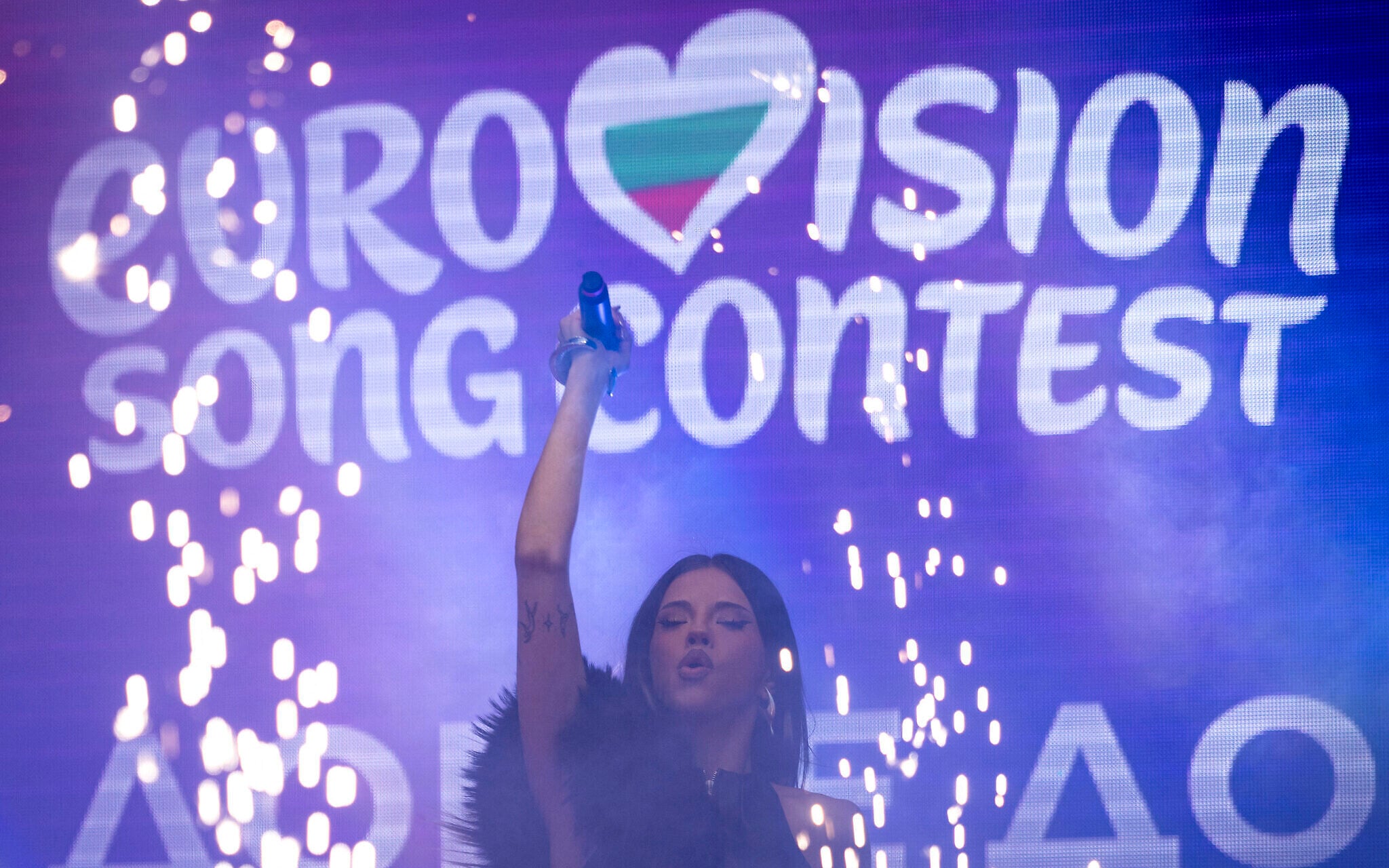
The 2027 Eurovision is slated to take place between May 11 and 15, 2027, in Burgas, Bulgaria, after Bulgarian singer Dara won this year’s contest in Vienna with the dance hit “Bangaranga.”
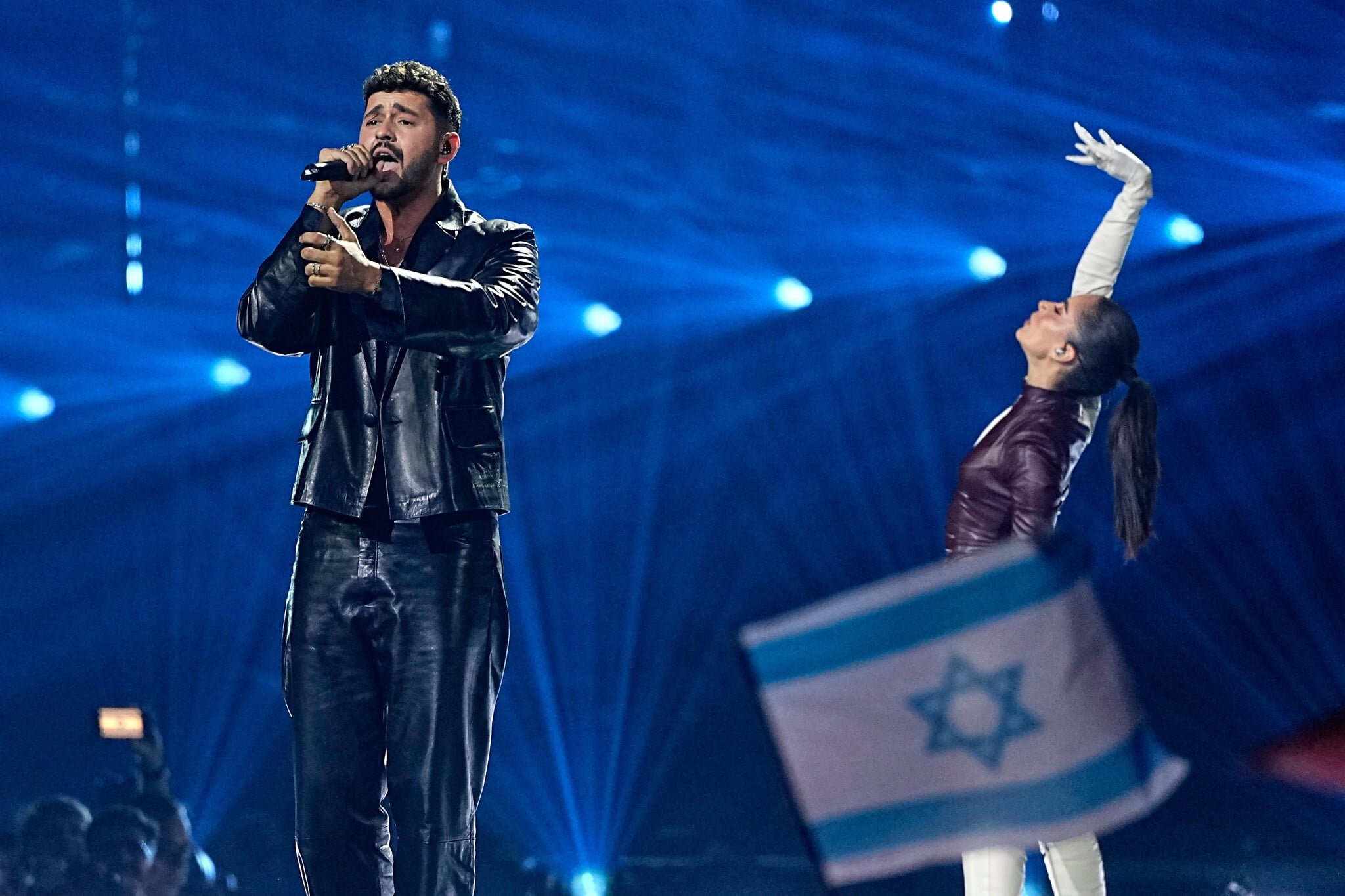
Israel’s Noam Bettan finished in second place with the pop song “Michelle,” a showing that alarmed many viewers who believed an Israeli win would further threaten the division surrounding the show.
Israel also finished in second place in the 2025 competition and fifth place in the 2024 contest, likely spurring the EBU announcement last month that countries involved in armed conflicts or part of a “sensitive geopolitical situation” would not automatically host the next contest if they won. When Ukraine won in 2022, the 2023 competition was hosted by the UK due to its ongoing war against Russia.
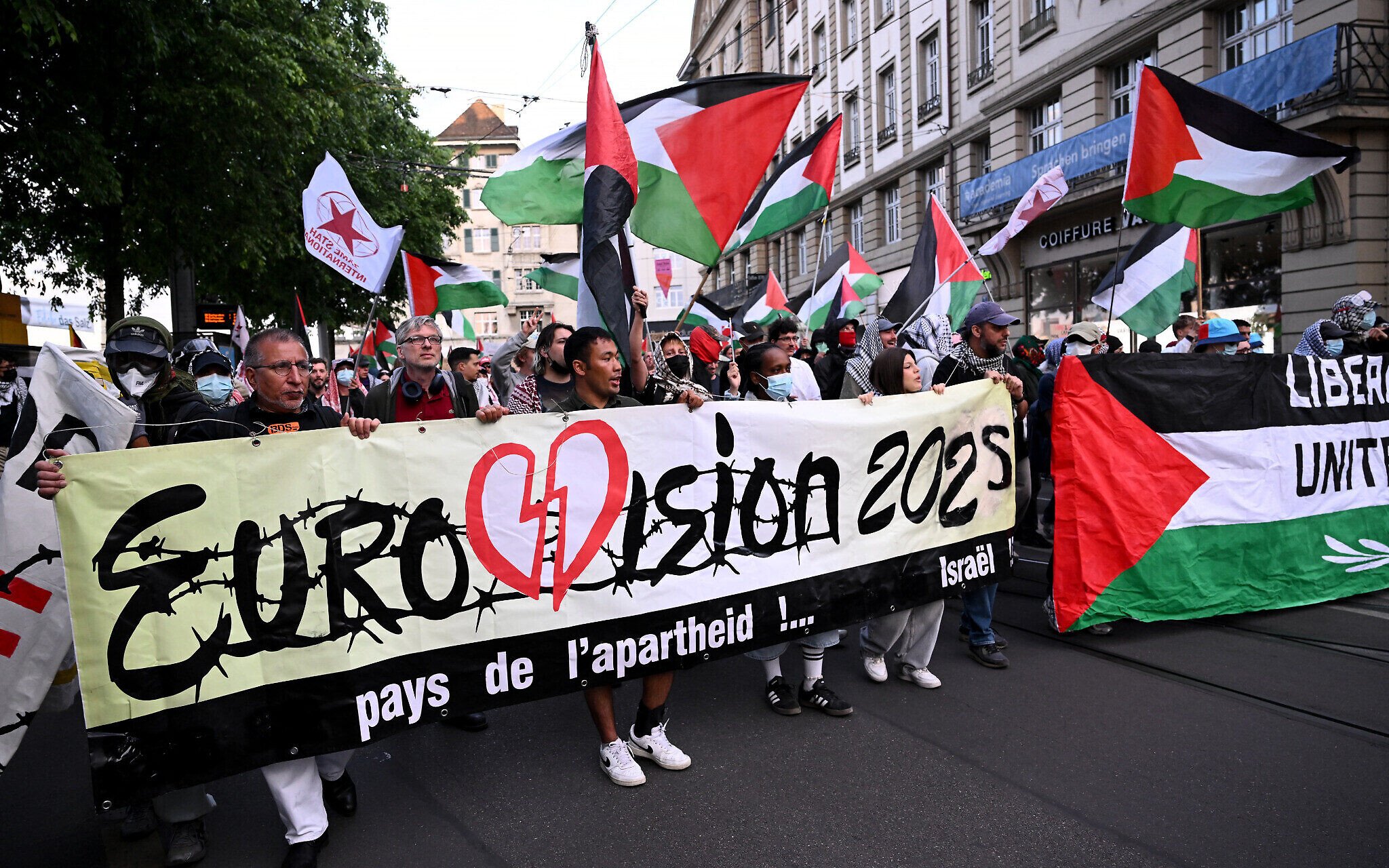
The past three Eurovision contests were beset by anti-Israel protests and heavy security amid threats to the Israeli delegation, with some booing and anti-Israel chanting also heard during the live broadcasts.
Help us report truthfully on social media

As a multimedia journalist, my job is to take the quality, fact-based journalism produced by The Times of Israel newsroom and make it accessible across every platform — from Instagram posts to podcasts to short-form videos.
This is how many, especially young people, consume news these days. But misinformation is rampant on social media. Our team at ToI produces accurate, responsible short-form reporting on Israel and the Jewish world.
If you believe in the importance of factual social media journalism, please consider joining our reader support group, The Times of Israel Community. Your financial support is essential to sustain responsible multimedia reporting.
— Gabriella Jacobs, multimedia journalist
Support our work Support our work Already a member? Sign in to stop seeing this
KioskNews shows a cleaned-up reading view extracted from the publisher’s page — the original always lives on their site, not ours.