Royal Navy intercepts Russian spy ship and warships in UK waters
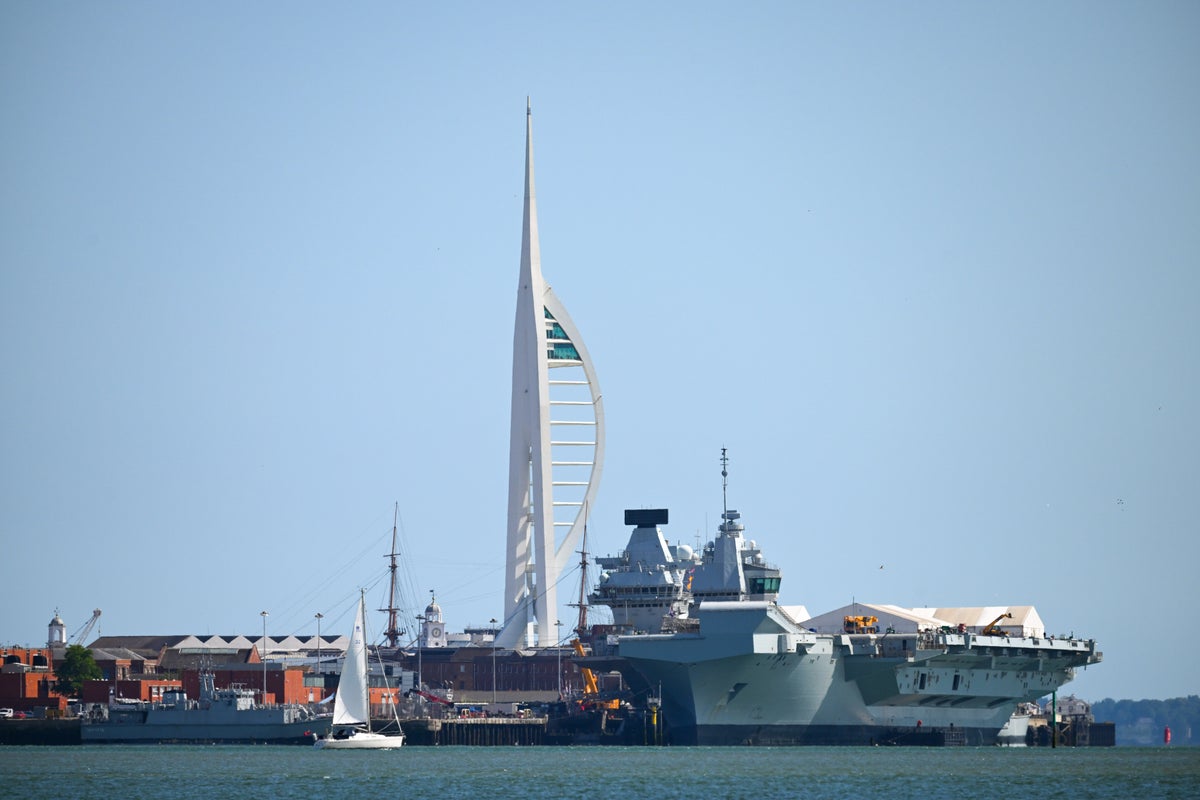
The Royal Navy has intercepted Russian warships and tracked a spy ship monitoring Nato military exercises off Scotland, amid growing concerns over Moscow’s military activity and efforts to evade Western sanctions.
The operations, spanning 17 days, saw British forces monitor Russian vessels near allied military exercises and shadow ships carrying sanctioned cargo through the English Channel.
The Russian intelligence-gathering ship Viktor Leonov was operating near the Outer Hebrides as more than 2,000 personnel from six Nato nations took part in Exercise Strike Warrior off Scotland.
Merlin helicopters were deployed from Cornwall to track the vessel between 29 September and 8 October, using onboard sensors to monitor its movements.
The Navy also monitored the Russian frigate Neustrashimy as it escorted sanctioned cargo ships through the Channel.
After handing responsibility for monitoring the frigate to another British warship, HMS Tyne was tasked with intercepting a second vessel, the landing ship Aleksandr Shabalin, which was travelling towards the Baltic with a cargo ship and tugboat.
Lieutenant commander Sam Fields, commanding officer of HMS Tyne, said the rapid deployments demonstrated the Navy’s ability to respond across different parts of the UK’s surrounding waters.
“Operating from the North East to the English Channel in quick succession, HMS Tyne’s recent activations demonstrate the flexibility and enduring utility of our patrol ships,” he said. “Maintaining a persistent presence around the UK and beyond, we stand ready to respond at a moment’s notice to protect our nation’s interests.”
Western security officials warn that Russian forms of hybrid warfare have evolved far beyond conventional posturing, blending maritime espionage, commercial supply-line escorts, and deniable sabotage to probe Nato vulnerabilities below the threshold of open conflict.
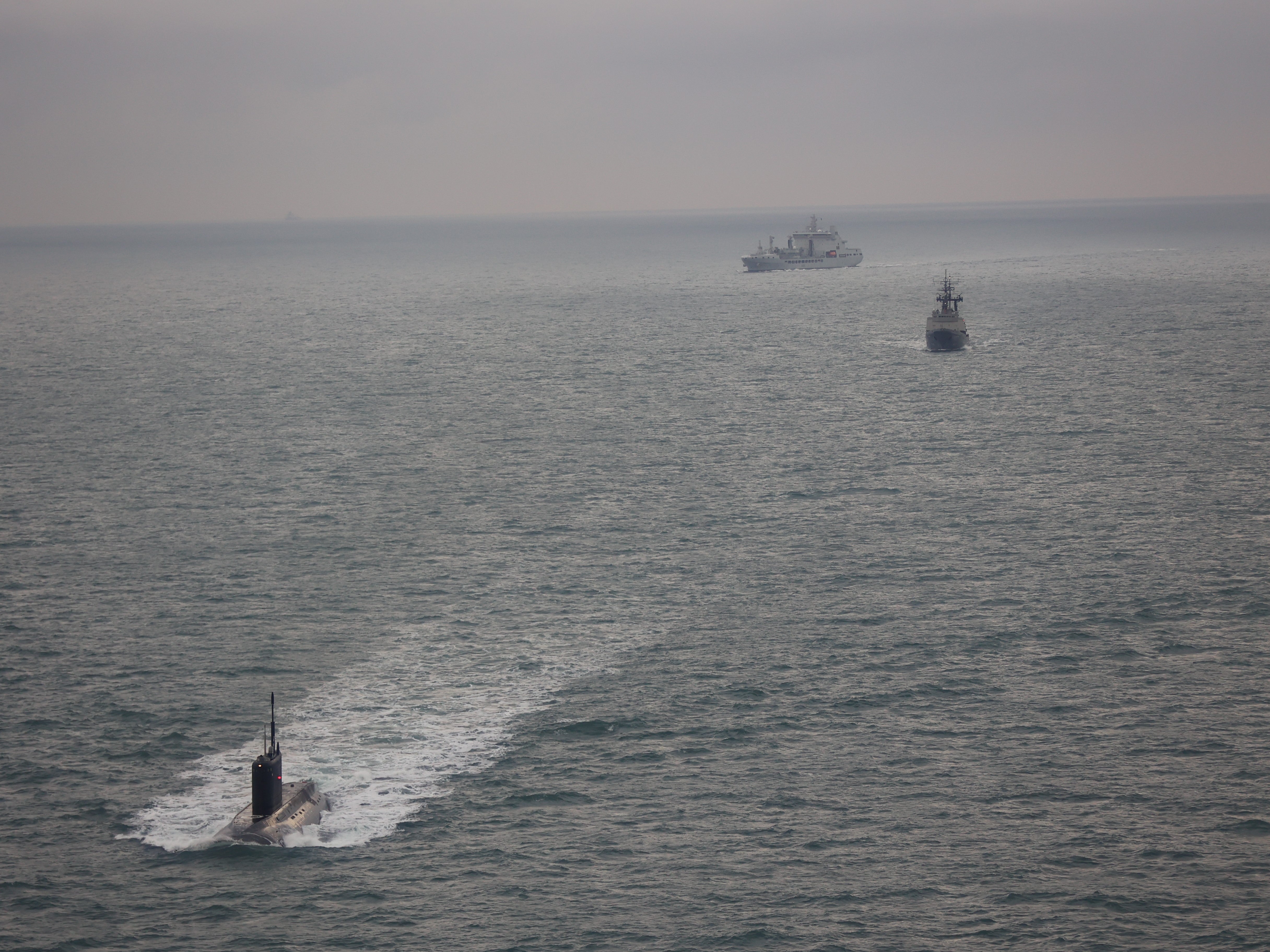
The deployments come as Britain steps up efforts to disrupt Russia’s use of shadow fleets to transport oil and circumvent Western sanctions imposed over the war in Ukraine.
In June, Royal Marine Commandos and National Crime Agency officers boarded the Smyrtos, a sanctioned shadow fleet tanker, during a six-hour operation in the English Channel. The seizure formed part of wider efforts to enforce sanctions and restrict Moscow’s oil revenues.
The UK has sanctioned more than 500 vessels as part of its campaign against the shadow fleet.
Concerns over Russian activity extend beyond the sea. An investigation by The Independent earlier this year found that 340 drone-related security incidents were reported at or near Ministry of Defence sites in the year to August 2026, up from 126 in 2024.
The Ministry of Defence said the increase partly reflected improved reporting, better detection technology and greater awareness among military personnel. It did not identify who was responsible for the incidents, although security experts warned that hostile actors working for Russia or Iran were possible culprits.
The figures have intensified questions about Britain’s preparedness for emerging security threats, as military planners contend with potential surveillance of sensitive sites alongside Russian naval activity around UK waters.
KioskNews shows a cleaned-up reading view extracted from the publisher’s page — the original always lives on their site, not ours.