10 Literary Novels That Go Completely Off the Rails

At any given moment, Scott Simone has at least three books jockeying for his attention. He’ll never turn down a campus novel with a literary bent, nor will he hesitate to add yet another mystery to his Leaning Tower of Pisa-inspired to-be-read pile — which is built upon the bedrocks of too many short story collections, how-are-these-real true crime books, and classics waiting to be cracked open again. Topics that have him ripping through pages the fastest include closed-circle murders, unhappy professors, life-questioning philosophical deep dives, so long as they feature sharp sentences, a dark sense of humor, and at least a little malice.
He’s spent so much time in book shops over the years he is, to his wife’s chagrin, continuing to build a library that doesn’t quite respect the dimensions of the apartment meant to contain it.
Literary fiction has a bit of an image problem. The phrase brings to mind an old man pecking at a dusty typewriter, stories of war bleeding from his fingers. Or perhaps the all-too-occasional woman of letters, bonnet in place, penning deeply romantic stories of ultimately tragic families. There's not supposed to be scenes of expensive skincare rearranging the body parts of a beauty-store worker, and rich girls definitely should not be turning rabbits into men. There's most certainly an absence of sex with mermen.
Therein lies the problem: Classics have defined the genre, building an ever-shrinking box around what can be classified as literary fiction. But there has, in recent years especially, been writers whose work has taken an axe to that box. They’ve created some of the more memorable literary works for just that reason — they defy expectations in the most surprising ways imaginable.
'A Touch of Jen' by Beth Morgan
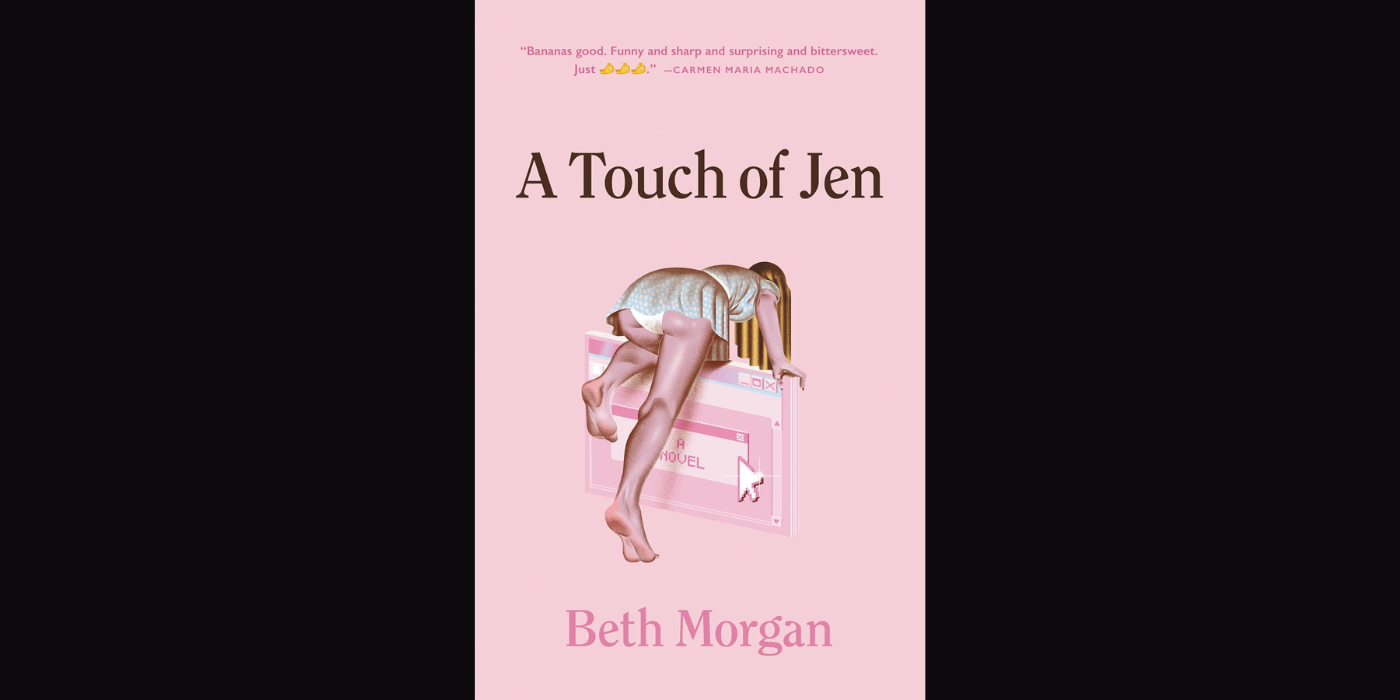
The first half of A Touch of Jen covers, sadly, an all-too-familiar topic: social media obsession. Remy and Alicia — broke thirtysomethings working gig jobs and not quite happy together — stalk Jen, Remy’s former co-worker. At first they mock her captions. Then they're studying her vacations. Eventually Alicia is impersonating her during sex. And then the first surprise comes: Jen invites them away for a weekend with her friends.
That trip could sustain the rest of the novel. After all, Beth Morgan is extremely grounded in her writing, bringing to life an eerily realistic version of young people worrying about money and climbing the social ladder. Then she blows a hole through the book. There’s creepy sleepwalking and self-help mysticism strewn together with alternate realities and an unexplained black sludge. It all crescendoes with a giant insect-like monster tearing through the pages.
'Bunny' by Mona Awad
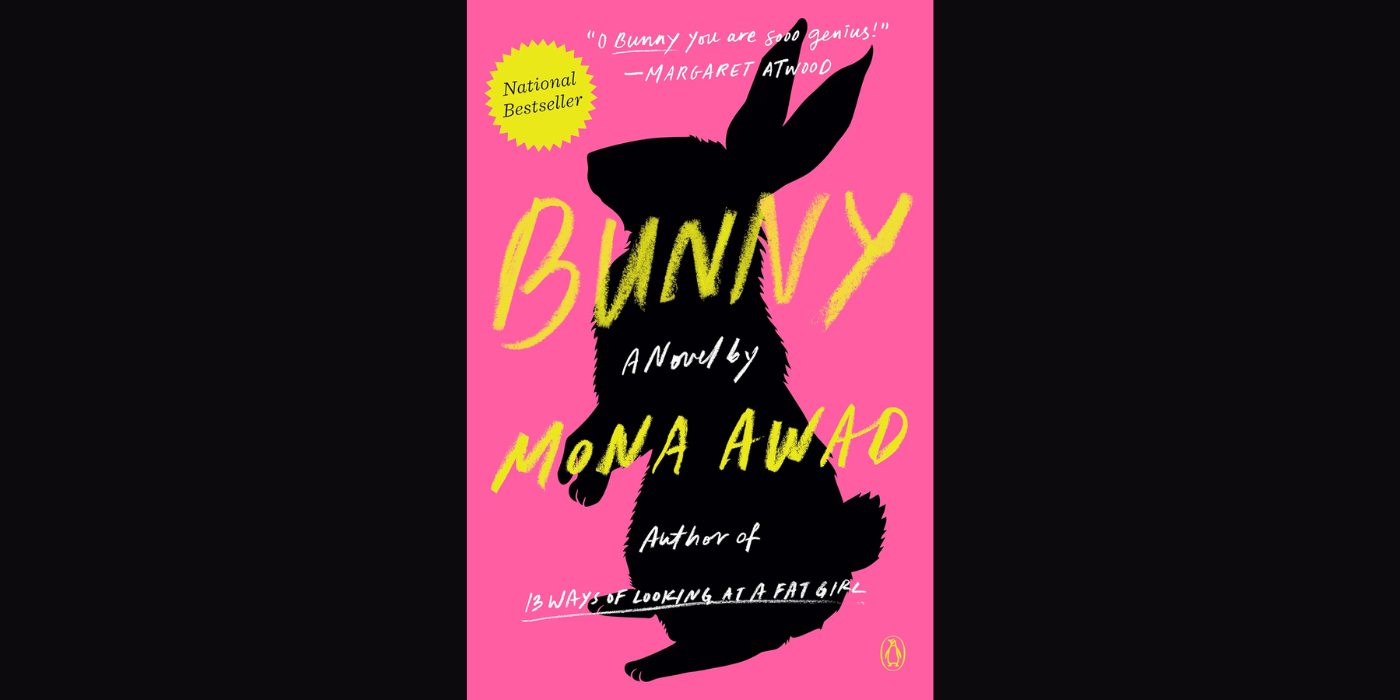
One of the new cornerstones of literary fiction is the campus novel. And at the outset, Bunny looks to take the form of a book that’ll rightly sit next to The Secret Historys of the word. There’s the outside inside an elite MFA program, Samantha. There are four women in her cohort who seem a little too rich, and are incapable of calling one another anything but “bunny.” When the bunnies invite Samantha to a workshop, the novel loses that neat campus novel.
The bunnies occupy their time with more than writing: They’re turning actual rabbits into men — beautiful, empty-headed creations they call Drafts. There are those that come out wrong. Others don’t last all that long. Most meet a demise much more painful than red lines criss-crossing a manuscript. That alone is one sharp MFA satire. But Mona Awad takes us further down the rabbit hole, and the campus novel disappears under fairy-tale logic, body horror, female friendship, jealousy, loneliness, and exploding rabbits.
'Earthlings' by Sayaka Murata
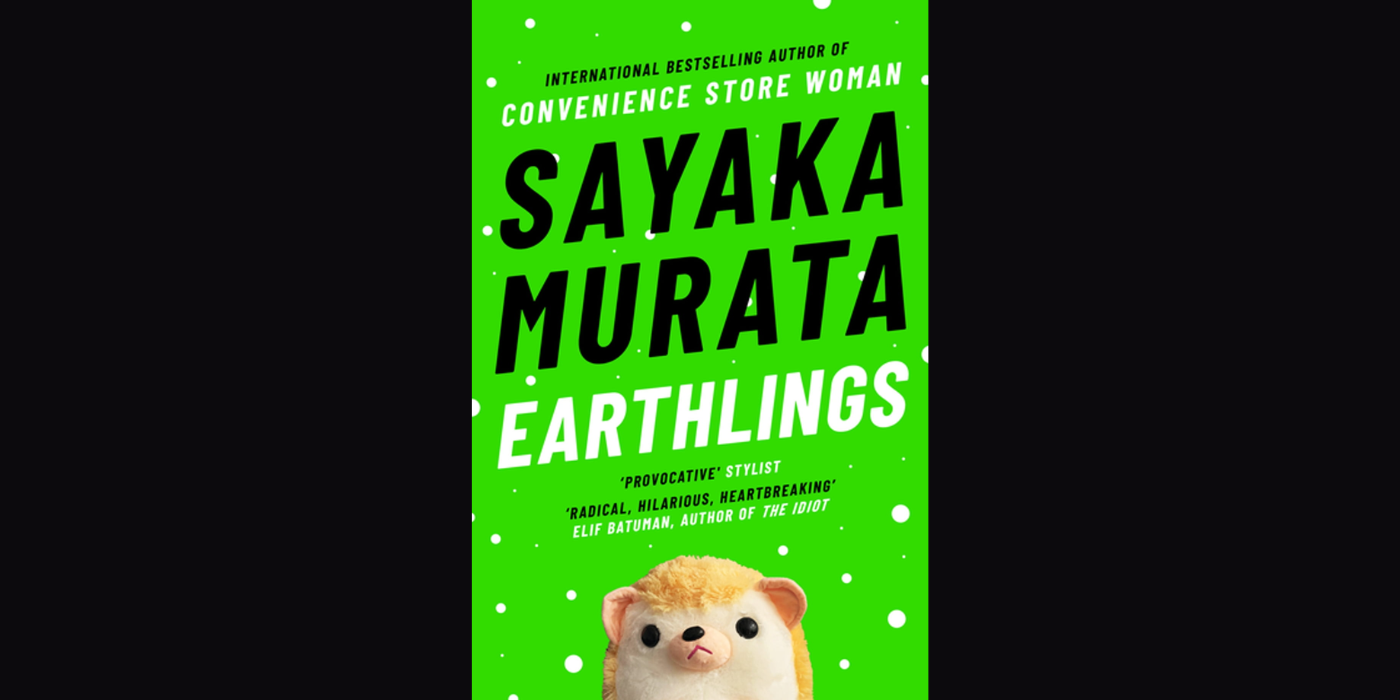
Sayaka Murata indulges the reader's sweet tooth at the start of Earthlings. Natsuki has a childhood fantasy: she's an alien from Popinpobopia. Her stuffed hedgehog is an extraterrestrial messenger, and her cousin Yuu might be one too. Fantastical sounding, sure. But not so much considering Natsuki is surrounded by adults who give her every reason to yearn for an escape.
Then Natsuki grows up. So, too, does the fantasy evolve. Both harden and darken. Natsuki is living within a sexless marriage of convenience. She views society as “the Factory,” a machine of sorts built to produce couples who themselves reproduce to replenish the workforce. From there, Earthlings doesn’t go off the rails; it torches them. There comes murder, sexual violence, necrophilia, and cannibalism — all of which help to turn what was once a sweet fantasy rancid.
'The Vegetarian' by Han Kang
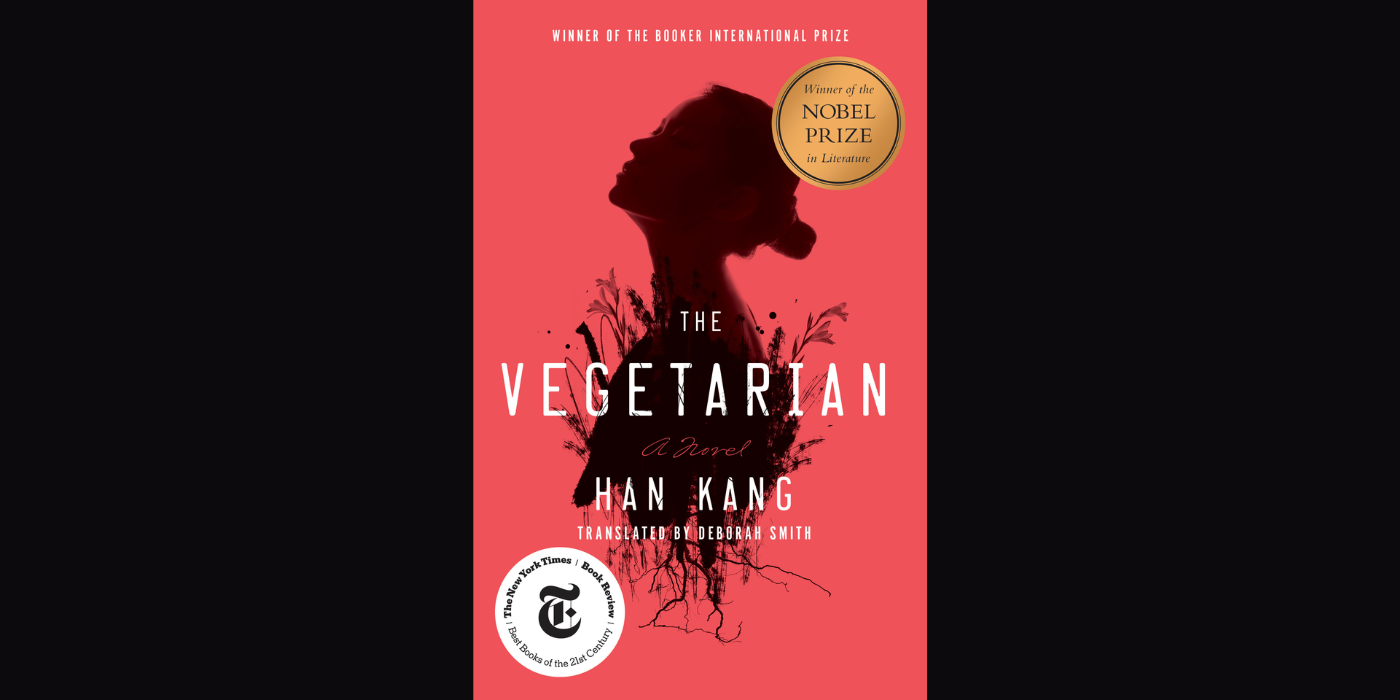
Family drama is much of literary fiction's story. The Vegetarian adds a new chapter to that. When a disturbing dream forces Yeong-hye to stop eating meat, her husband is annoyed. But her family is horrified, with that fairly unremarkable dietary choice treated as betrayal. The stage is then set for a dramatically ugly family meal where everyone focuses on forcing Yeong-hye back in line. Not one of them bothers asking why she's made the change in the first place.
But then Han Kang shifts the novel. We move away from Yeong-hye's perspective and into those around her. That includes a brother-in-law who has an artistic fixation on her body turns — which eventually becomes sexual. Follow that line, and you'll see why by the final section of the novel meat is the furthest thing from anyone’s mind. Yeong-hye wants to become a tree, and no longer believes she needs food at all; sunlight and water will suffice.
'Natural Beauty' by Ling Ling Huang
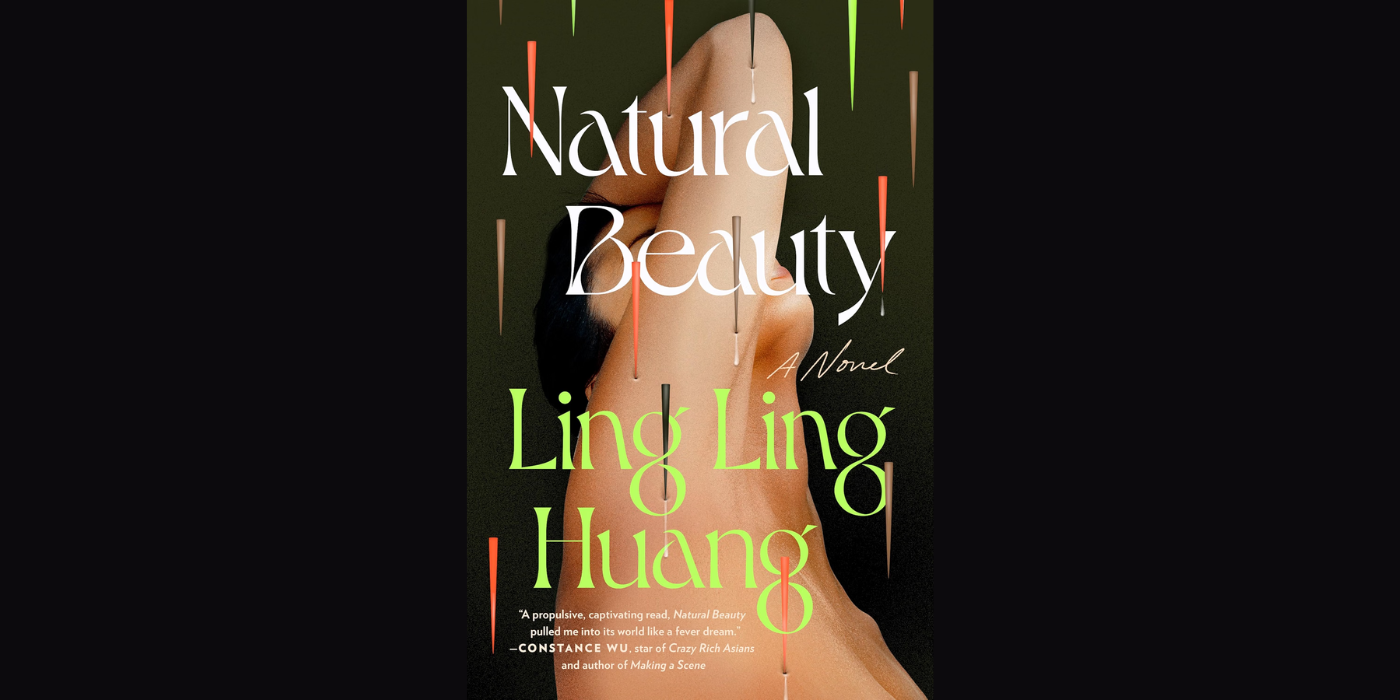
The beauty industry — built upon a foundation of insecurity — is inherently ugly. Natural Beauty takes that logic and distorts it further into something grotesque. The unnamed narrator's parents are involved in an accident, and end up needing long-term care. She takes a job at Holistik— a luxury beauty store where customers don't think twice about dropping obscene amounts of money to correct imperceptible flaws — to help her climb the mountain of bills that accumulated as a result.
She helps sling spider-silk eyelashes and fish that remove cheap Botox. She sells shoppers products that slim thighs, lighten hair, and smooth skin. But what begins as cosmetic turns mutilation — the body itself becomes something to edit and rearrange, if not completely rebuild. And Ling Ling Huang turns the commonplace phrases beauty companies routinely use — improve, perfect, optimize — into satire against itself through a true body horror.
KioskNews shows a cleaned-up reading view extracted from the publisher’s page — the original always lives on their site, not ours.