ESPNBold predictions for all 32 NHL teams: Dylan Larkin's destination, surprise award contenders, moreInquirerDepEd asked: Why reiterate Pride Month memo when it’s always voluntary?The Jerusalem PostHow Arab-Israeli air defense coordination is developing into a regional security shield - analysisBollywood HungamaEXCLUSIVE: Vivek Oberoi keeps his promise; donates his ENTIRE Ramayana remuneration towards treatment of 50 children battling cancer to mark his 50th birthdayESPN DeportesBayern y Manchester City abren la UEFA Women’s Champions LeagueRTP DesportoLiga Nações. Alexander Bah dispensado dos trabalhos da seleção dinamarquesaVarietyElla Langley’s ‘Choosin’ Texas’ Finally Breaks All-Time Record for Weeks at No. 1, Eclipsing Mariah Carey’s ‘All I Want for Christmas’ With a 23rd Week on TopVanguard‘Don’t manipulate 2027 elections’ — Obidient Movement warns WikeThe South AfricanBafana Bafana v Guinea: Date, kickoff time, how to watch and predicted XIBBC News BrasilComo Rick, da dupla Rick & Renner, morto em acidente de helicóptero, ajudou a renovar a sertanejoTagesschauUnion und SPD wollen noch mal über Reformen verhandelnRai NewsOnu, Trump all'Assemblea: "Ho realizzato la pace, l'Iran farà l'accordo dopo il voto di midterm"
The Daily Newsstand · Free, Always
Tuesday, September 22, 2026

Learning from Ukraine war, Chinese military doctors target injuries from drones
Translate

China’s military medical experts are making progress in finding cures for common injuries seen in drone warfare, drawing on lessons from the wars in Ukraine and the Middle East, according to state broadcaster CCTV.

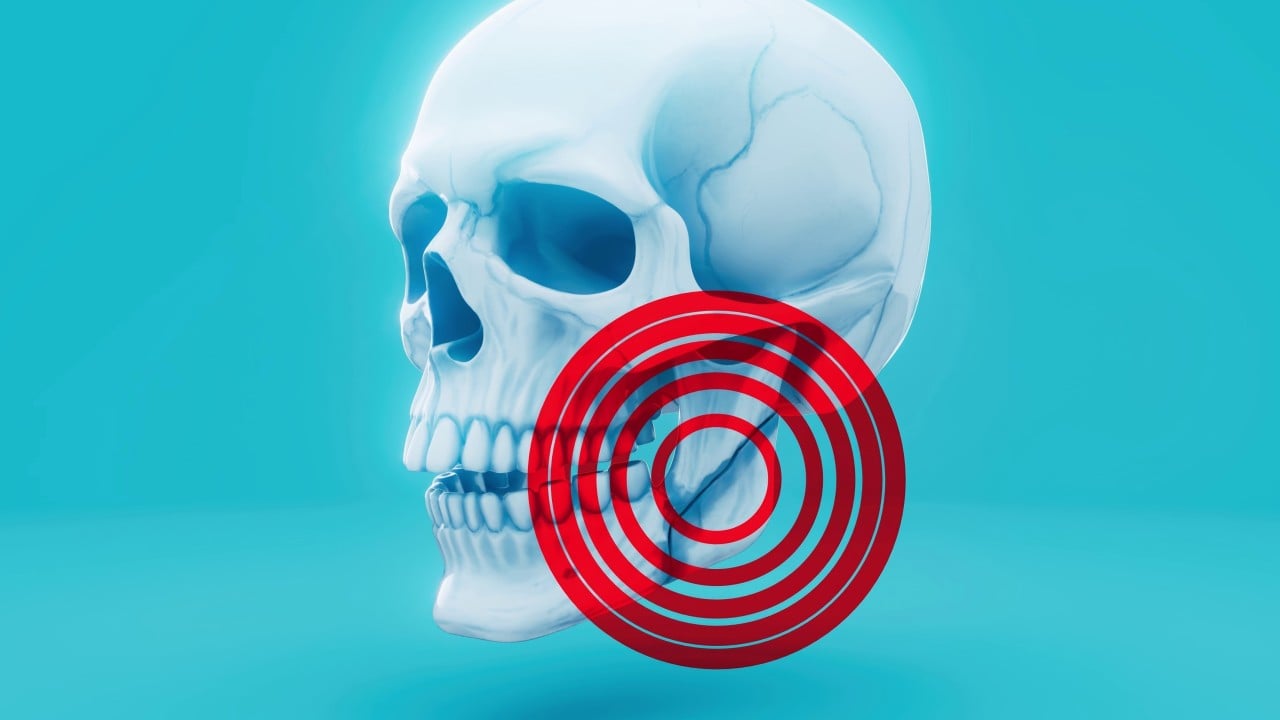
Chen Juxiang, a senior Chinese military doctor, told CCTV on Monday that cranio-maxillofacial injuries – damage to the hard and soft tissues of the head – had become a particularly big problem in conflicts dominated by drones.

Chen, director of neurosurgery at the First Affiliated Hospital of Naval Medical University, cited battlefield experience from Ukraine and the US-Iran conflict, saying that “in drone warfare, cranio-maxillofacial injuries account for more than 30 per cent of battlefield trauma”.

Chen said his team had been preparing for the shift for years and had made progress in treatment protocols and haemostatic materials for these kinds of head injuries.

View the original on SCMP China

KioskNews shows a cleaned-up reading view extracted from the publisher’s page — the original always lives on their site, not ours.