10 Books That Are a Masterclass in High Fantasy Writing


Sign in to your Collider account
High fantasy is a subgenre of fantasy literature in which the story is not confined by the laws of reality. High fantasy books are always set in a world that is entirely different from our own, set on planets far from Earth, where the laws of science do not apply in the same way. This setting paves the way for broader possibilities, like magic and imaginary monsters.
Since high fantasy has exploded in popularity in recent years, a lot more people are aspiring to be writers. Take a quick peruse on Wattpad, and you'll find no shortage of would-be fantasy authors posting their creations with varying levels of quality. However, if you really want to learn how to write high fantasy, it's best to take some notes from the experts. These are the best high fantasy novels that are a masterclass in writing.
'The Name of the Wind' (2008)
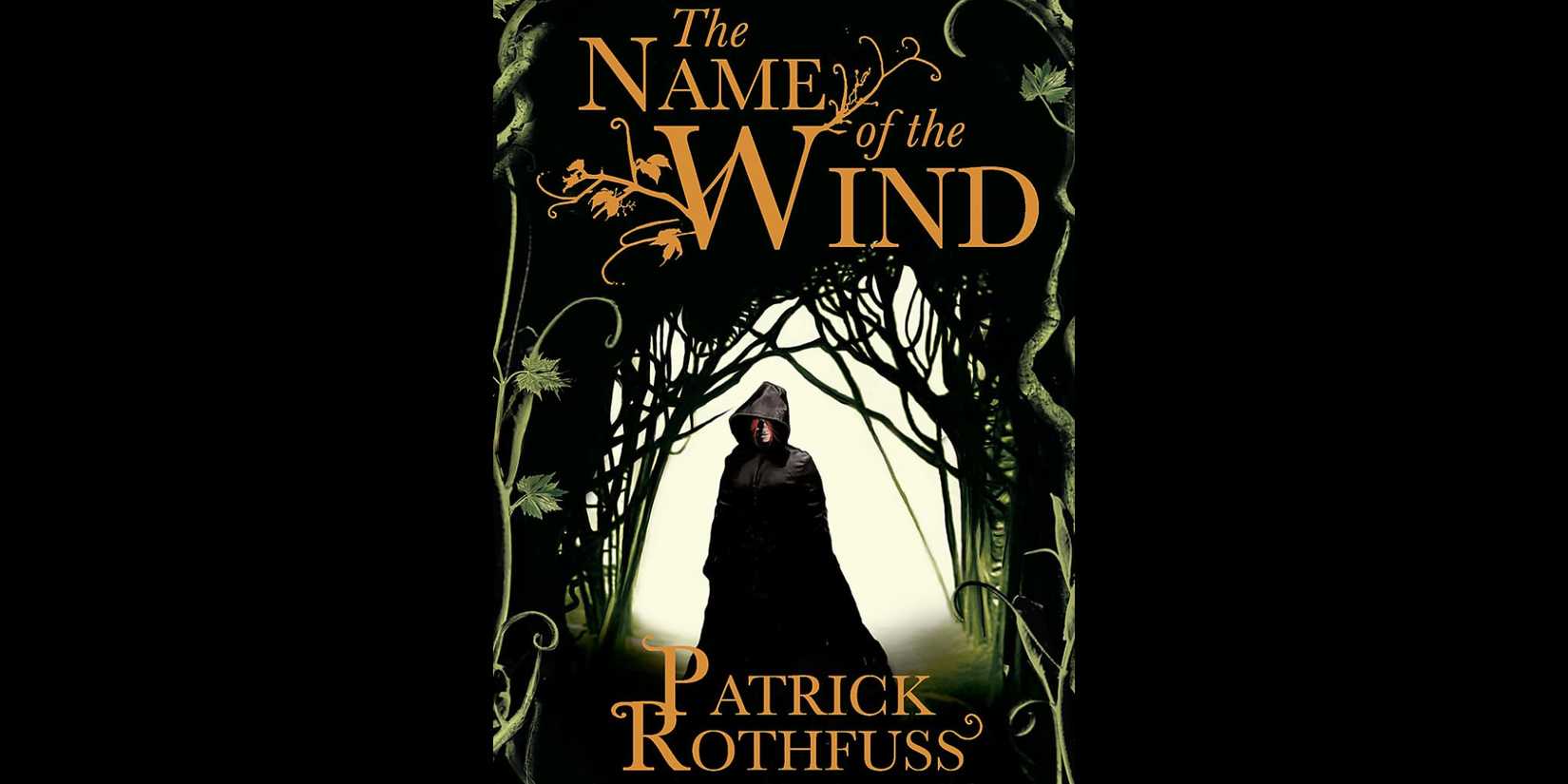
The Name of the Wind is the first book in the unfinished The Kingkiller Chronicle trilogy, written by Patrick Rothfuss. It's one of those books that can hook you straight away, opening up with a narrator who has, apparently, done some pretty incredible things in his life. The person in question is Kvothe, a red-haired innkeeper who was an accomplished student at the University, and who is recounting his story to a Chronicler. The bulk of the story is Kvothe's youth, framed by bits and pieces of the present day.
The second novel can be kind of cringy in its content and the way it approaches it, but the first one is so much better. Not only does it do a great job of sinking its claws in early, but it also knows how to keep readers going with new mysteries to unravel at regular intervals. It's also a stunning example of a (potentially) unreliable narrator, as Kvothe boasts about the remarkable things he's done. This is how to keep a story interesting all the way through.
'The Last Wish' (1993)
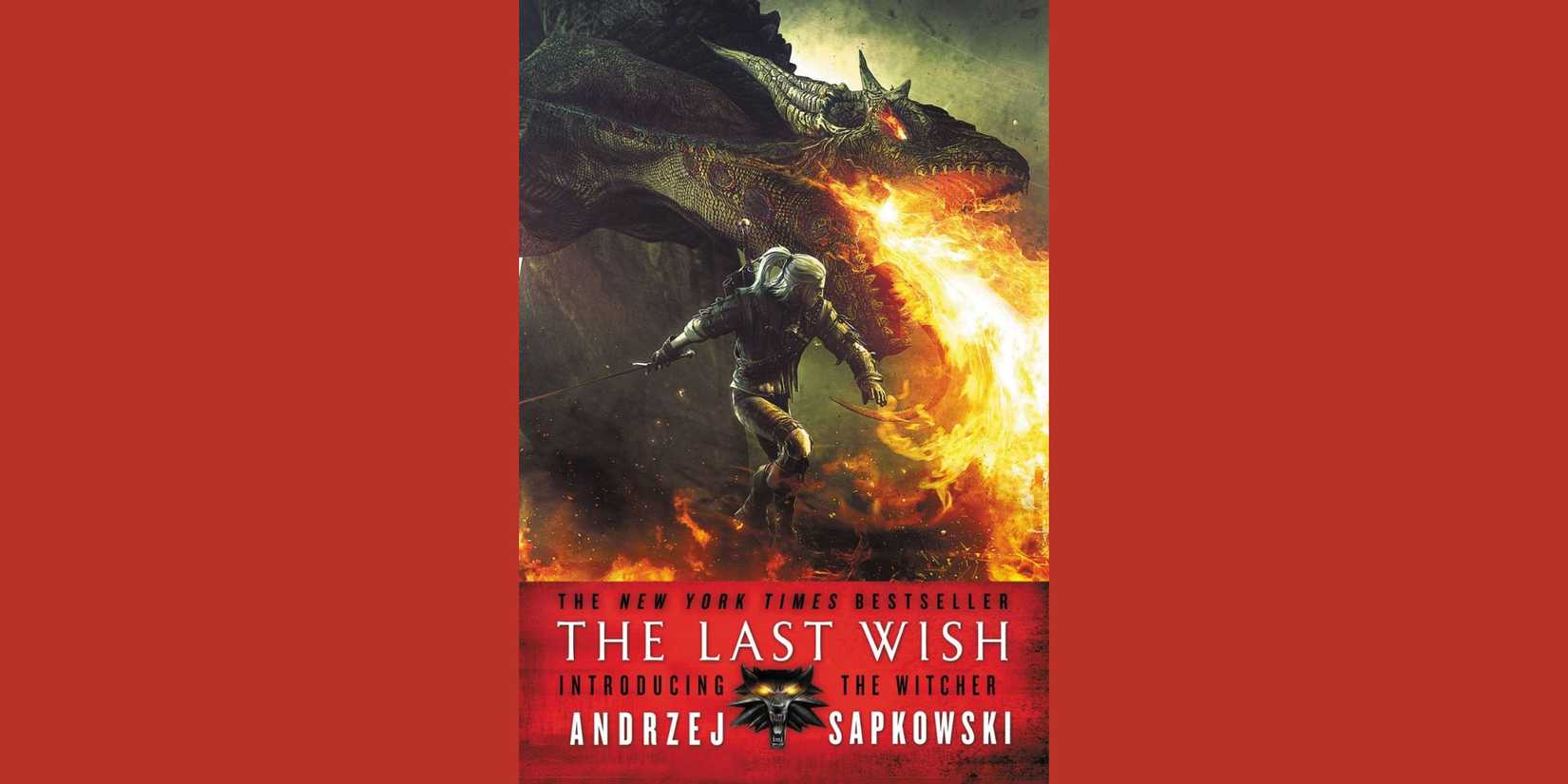
The Last Wish is a collection of short stories that is one of the first The Witcher books by Andrzej Sapkowski. The short stories all center on Geralt of Rivia, a professional monster hunter called a Witcher, who travels from town to town, accepting contracts to eliminate or get rid of dangerous beasts and beings plaguing the local populace. Most of these monsters come from mythology and folklore, especially from Slavic folklore.
The book is pretty short compared to the others in the series, but it's amazingly varied and constantly entertaining. One of the main ways it shines is in producing a protagonist who is morally grey and commits as many good acts as he does bad acts. Moreover, each story follows a different monster, but it's never as simple as "Geralt goes and kills the thing." There's almost always some core mystery, as well as an unexpected element of humor. In short, this book epitomizes how short story collections should work.
'The King of Elfland's Daughter' (1924)

The King of Elfland's Daughter is a stand-alone novel that is actually one of the most influential fantasy books of all time, though you probably wouldn't know it. Indeed, it wound up inspiring The Lord of the Rings trilogy, which became the most popular fantasy series in history. The plot of this novel, written by Lord Dunsany, involves a marriage between the ruler of the human realms and the princess of Elfland. While their love is genuine, the princess begins experiencing profound homesickness, which puts a strain on both humans and elves. That's the SparkNotes version of it, anyway.
Even though this book is over a century old and isn't often spoken about, it's an essential read for fantasy fans and would-be fantasy writers. Why? Simple: because it establishes so many of the tropes that fans love so much. Beyond that, it shows how stories can be simple and don't need to be epic sagas in order to tell a complete, coherent, and emotional tale.
'The Anvil of the World' (2003)

Kage Baker's The Anvil of the World is the first in the Lord Ermenwyr trilogy, though the three books are less one complete story and more three different stories that take place in the same universe. Anyway, the books are a bit niche in the fantasy community; they're ones you probably haven't heard of. Instead of the traditional chapter format, this book opts to separate the story into three parts. Each part makes up a small piece of the overarching narrative.
The Anvil of the World is about a smuggler named Smith, who is assigned to escort Lord Ermenwyr to a seaside city via caravan. The book throws a little bit of steampunk in there, too, to keep things interesting. The best part about The Anvil of the World is by far its humor. It's not a comedy at heart, but the punchlines are so good that it can and will make you laugh out loud. Not only is this book great for comedy, but it's also a fantastic exercise in worldbuilding, character creation, and narrative construction.
Collider Exclusive · 8 Questions · 2 Minutes What Fantasy World Do You Belong To? Middle-earth · Grand Line · The Continent · Camp Half-Blood
Pick your magic, your crew, where you want to wake up and who you would rather be fighting, and we will tell you which world you actually belong in. Four are open to you: an ancient kingdom living through its last good age, an endless sea full of pirates, a continent that pays people to kill monsters, and a summer camp where the Greek gods are extremely real and mostly a nuisance.
💍Middle-earth(Rings of Power)
👒Grand Line(One Piece)
🐺The Continent(The Witcher)
🔱Camp Half-Blood(Percy Jackson)
01
What kind of power do you want? Every one of these worlds runs on a completely different sort of magic.
02
Who is travelling with you? Nobody gets through any of these stories entirely on their own.
03
Where do you want to wake up tomorrow? The best fantasy is usually just somewhere you would genuinely like to live.
04
How are you making a living out there? Even in fantasy somebody has to pay for the horse.
05
There is something in the woods. What do you do about it? All four of these worlds keep something unpleasant out there in the dark.
06
Who is the villain of your story? The enemy tells you far more about a world than the hero ever does.
07
What do you actually believe in out there? Every world hands its heroes one rule and asks them to hold onto it.
08
A thousand years from now, how are you remembered? Eight questions in, this is the one that decides your world.
The Map Is Drawn Your World Is…
Four worlds and four completely different ideas of what a good life looks like. This is where you belong, what it would ask of you, and what you would get back in return.
Middle-earth
You belong somewhere old enough that the mountains have names and somebody can still tell you who gave them. Middle-earth is for people who think the right thing is worth doing even when it will not be finished in their lifetime.
- This is the only world on the list where doing good is understood as a very long defeat, fought anyway, by people who will never see how it ends.
- You are drawn to grandeur, to white cities and deep forges and the sense that almost everything you touch is older than your entire family line.
- The Rings of Power is set in the last good age before it all goes wrong, which gives every quiet scene in it a slightly unbearable weight.
- You would take the hard road, and you would take it on foot.
The Grand Line
You want the sea, a crew, and absolutely nobody telling you where you are allowed to go. The Grand Line is the world for people whose main ambition in life is finding out what is over there.
- One Piece has run for decades on one very simple engine, which is a group of people who each want something impossible and have decided to go and get it together.
- You collect people. Your ideal crew is a set of misfits who were each written off somewhere else before you turned up and offered them a better idea.
- The world is enormous and deliberately ridiculous, and the emotional gut punches land harder because of that rather than in spite of it.
- You would set sail knowing the map runs out, which is more or less the entire point of it.
The Continent
You would rather be feared and useful than liked and useless. The Continent is a world where the monsters are the straightforward part of the job and the people are where it all gets complicated.
- Witchers get paid to do what nobody else will and resented for existing at all, which is a trade most people would refuse and you would probably accept.
- You have no real illusions about which side is the good one, largely because on the Continent that question tends to have a disappointing answer.
- The best of these stories are not about the fighting. They are about somebody with a rigid code being repeatedly cornered into caring about people.
- You would take the coin, finish the job properly, and be out of town before the story got told wrong.
Camp Half-Blood
You want the myths to be real and loose in the actual world, and you want to find out at about thirteen that you were never anywhere near as ordinary as everybody kept telling you.
- Percy Jackson takes the oldest stories we have and drops them into car parks and diners, which makes the gods considerably funnier and a great deal worse.
- You would be the kid every school gave up on, who turns out to have been built for something nobody thought to test for.
- The series is genuinely about friendship rather than destiny, and it says so out loud every time a prophecy tries to get in the way.
- Camp Half-Blood is the real fantasy here: a place where the thing that made you difficult everywhere else is the thing that makes you belong.
'The Lies of Locke Lamora' (2006)
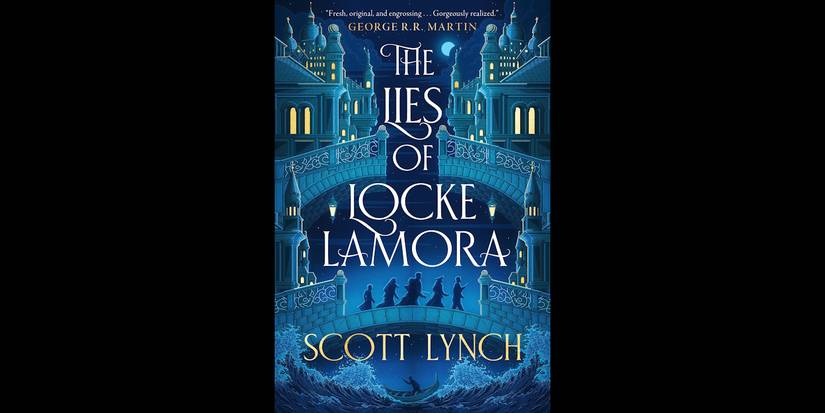
The Lies of Locke Lamora, book one of Scott Lynch's Gentleman Bastard series, is an urban fantasy set in the canal-strewn city of Camorr. The eponymous Gentleman Bastards are a crew of criminals, ranging in talent from cat burglars to masters of disguise. However, their reign of crime is coming to an end as they are assailed by an unseen crime lord called the Grey King, who is rapidly taking over the criminal underworld.
This series, and this book in particular, is so good because of its characters. Each member of the Gentleman Bastards is so unique and memorable. Everyone has shortcomings, hidden strengths, and a distinct sense of humor. The Lies of Locke Lamora is a masterful lesson on how to make effective, realistic characters and have your audience enjoy every moment of their dialogue.
'A Wizard of Earthsea' (1968)
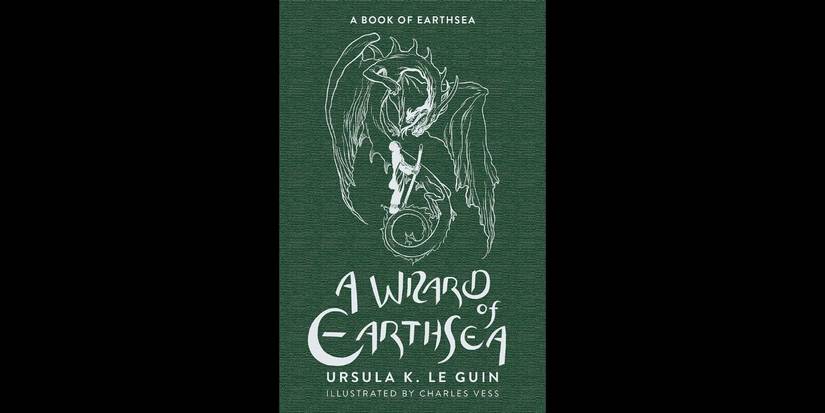
A Wizard of Earthsea is the first book in the Earthsea Cycle, written by Ursula K. Le Guin. The entire series is set on an oceanic world known as Earthsea, where land masses are few and far between, and there are no real continents. Instead, the plot takes place on a small archipelago of islands, where humans and dragons live.
Earthsea is a book that has a marvellous narrative, one that has become a favorite in the fantasy fandom. However, the book also has some of the finest worldbuilding in the genre. There are numerous cultures within Earthsea, and they all feel realistic while also feeling completely unique and not at all analogous to any real cultures. Some cultures prefer to keep to themselves, and some have expanded their reach across multiple islands. Everything feels so real, which is why this book comes as one of the greatest exhibitions of worldbuilding in fiction.
'Gardens of the Moon' (1999)
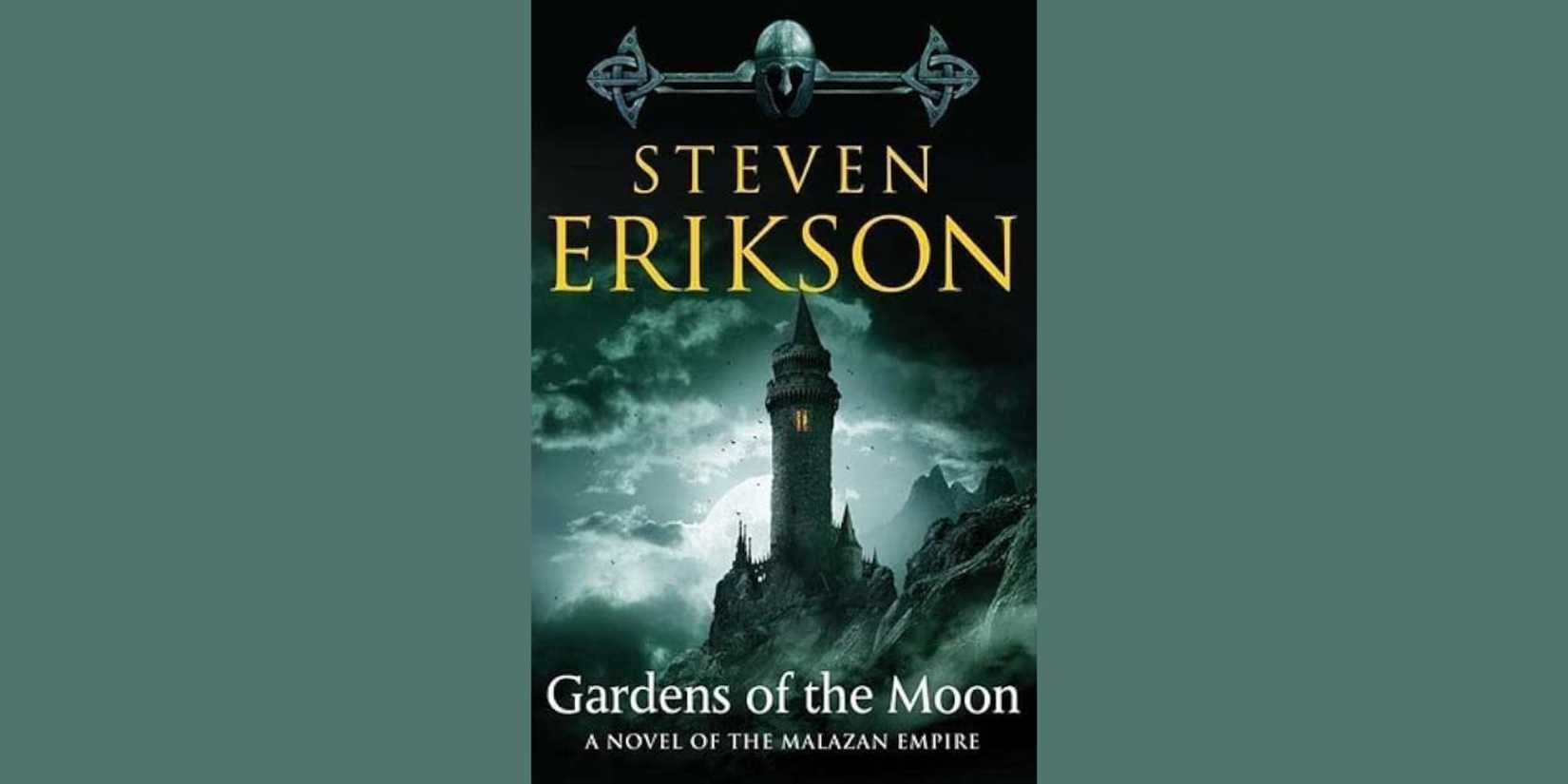
Gardens of the Moon is the first book in the ten-volume epic known as Malazan: Book of the Fallen, penned by Canadian author Steven Erikson. While this series is the main sequence of events, there are several other expanded universe novels, so there's a lot of ground to cover. Anyhow, the story is about a sprawling regime known as the Malazan Empire, which has expanded to cover an entire continent. Not yet satisfied, the regime sets its sights on a new continent.
Malazan, and Gardens of the Moon in particular, is a great pick to explore the intricacies of writing. The book is pretty heavy on lore, with Erikson detailing thousands of years of history and mythology behind his ever-growing world. Moreover, the book does a great job of weaving a complicated narrative, while still making it so that readers can tell what's going on.
'The Way of Kings' (2010)
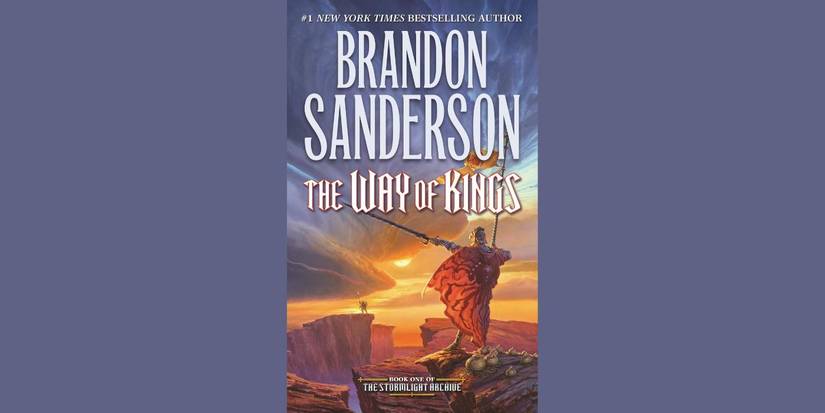
Brandon Sanderson's The Way of Kings is the first book in The Stormlight Archive series, which is a core pillar of Sanderson's shared literary universe known as the Cosmere. This story introduces the barren planet of Roshar, which is constantly bombarded by highstorms, tempests like hurricanes that sweep across the planet. Plant life is practically non-existent, and any animal life has evolved to be crustaceous, so that they can seek refuge in their shells from the storms.
The plot opens with the king of Alethkar's assassination, prompting a massive retaliatory war between the Alethi and the crustaceous humanoids called the Parshendi. The book is massive, at roughly 1,000 pages long (and that's the shortest one in the series), but it does absolutely everything right. It's got perfect pacing, an inspiring narrative, fascinating characters, and some deep moral wisdom to find. It's a stellar example of how to keep viewers invested and rooting for your characters without revealing too much of the overall plot right away.
'A Game of Thrones' (1996)
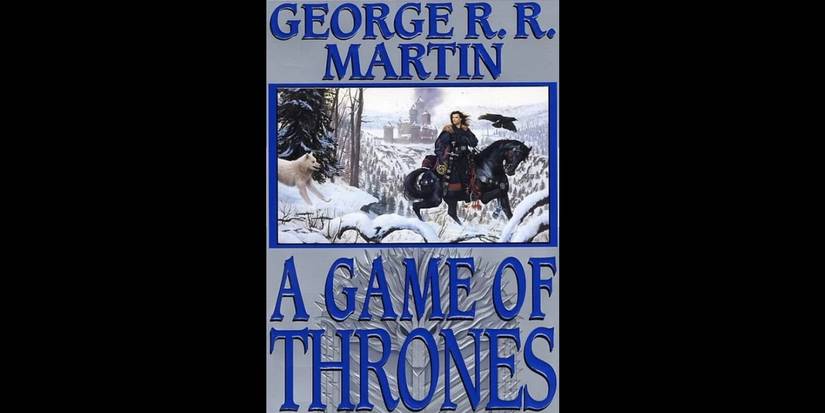
A Game of Thrones is the first book in George R. R. Martin's A Song of Ice and Fire series, which became the massive phenomenon that is HBO's Game of Thrones. The book is set in the land of Westeros, where nine royal families begin fighting over the throne. Unbeknownst to them, a primal, supernatural threat of apocalyptic proportions is beginning to build strength beyond the reaches of a magical wall.
The prologue of the book opens on a high note, immediately introducing the mystery and the aforementioned supernatural threat. At the same time, conspiracies begin, and the politics of Westeros make themselves apparent, and it quickly becomes clear that the kingdom is deeply corrupt, and this world is not a pleasant place to be. Many of the royal families, along with their sigils and mottos, reveal themselves, and the book ensures readers know who the major players are in this political game. This book isn't just perfectly paced; it's a lesson on how to deliver shocking plot twists and heart-wrenching emotion all in one package.
'The Return of the King' (1955)

The Return of the King is the final book in the extremely popular The Lord of the Rings trilogy, which also became a critically acclaimed movie trilogy in the early 2000s. The overall plot is about two hobbits who secretly travel to the land of Mordor to destroy a magic ring belonging to the Dark Lord Sauron, so that Sauron's clutch over Middle-Earth will be relinquished. Meanwhile, a human ranger named Aragorn rises to take his rightful place as the last living heir to the kings of Gondor, where he wages war on Sauron to distract him from the hobbits and their quest.
The Return of the King is a masterpiece of epic fantasy, featuring massive battles and a sprawling world woven as intricately as a tapestry. J. R. R. Tolkien was known for creating one of the most comprehensive and vast legendariums in the fantasy genre, of which this series is only a small part. This novel isn't just a masterclass in worldbuilding; it's also an example of how to inspire the audience to find hope in seemingly hopeless situations and fight for what good exists in the world. It's not just a phenomenal story; it's applicable to real life, too.
KioskNews shows a cleaned-up reading view extracted from the publisher’s page — the original always lives on their site, not ours.