Singapore tells suppliers to ‘honour commitments’ amid Indonesia’s gas cut
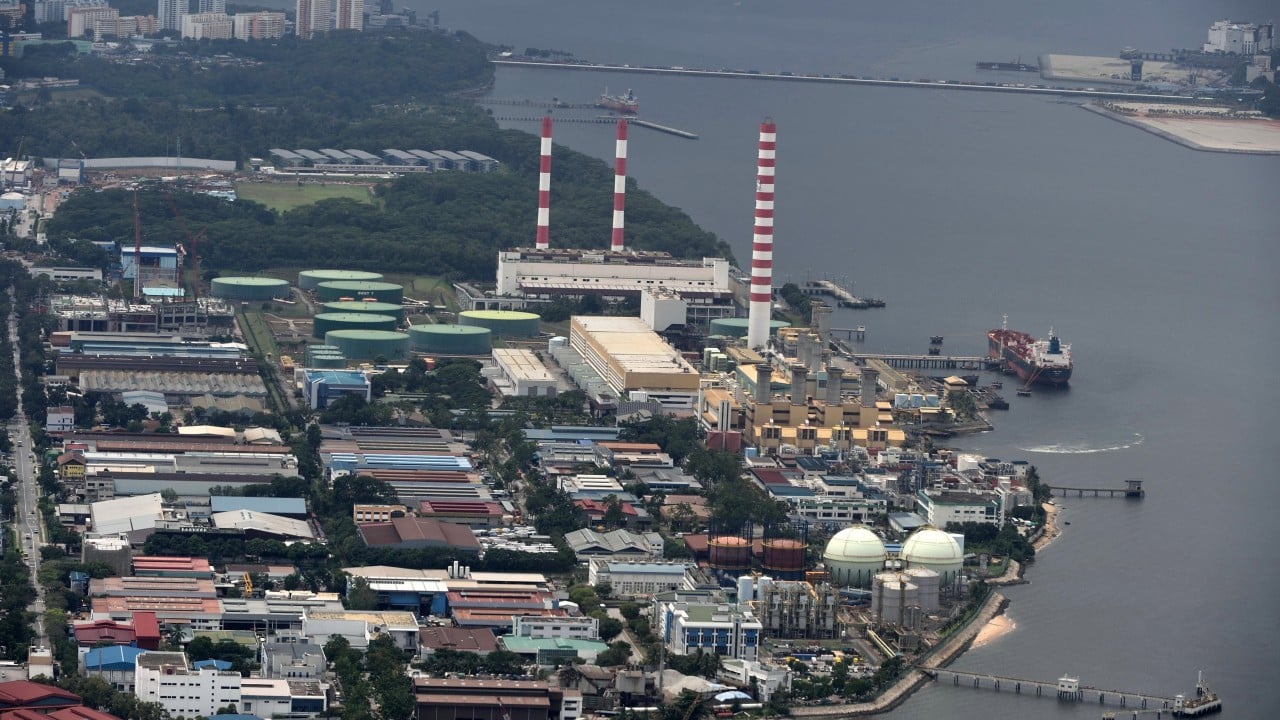
About 95 per cent of Singapore’s electricity is generated using natural gas and it imports a significant amount of this gas through pipelines from Indonesia.
“The gas supplies are covered by commercial contracts. We expect all parties to honour their commitments and Singapore’s gas importer will take the necessary steps to protect its rights and interests under these contracts,” Wong said.
Singapore has been readying itself for such risks, the prime minister added. It has invested in liquefied natural gas (LNG) terminals to import natural gas from different countries, without having to rely on pipelines, providing more options to manage any disruptions to supply.
However, Singapore must look beyond natural gas to cleaner sources of power that can provide reliable electricity around the clock, Wong added.
This is why authorities are studying the potential of nuclear energy, he said.
“Understandably, there are concerns about the safety of nuclear power in a small and densely populated country like Singapore. We take the concerns very seriously. Safety must come first,” Wong said.
“But we should not rule out an option simply because it is difficult or controversial. We must assess the risks and trade-offs carefully, engage Singaporeans, and eventually make the right decision to secure our energy future.”
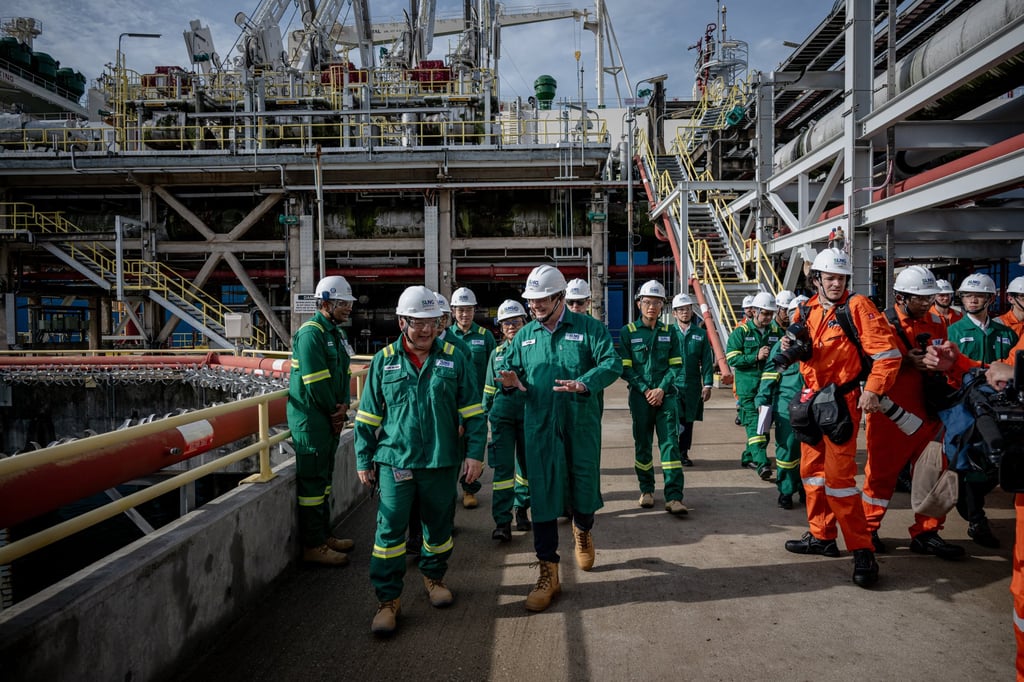
From 2027, Singapore will be embarking on an assessment by the International Atomic Energy Agency (IAEA) to gauge the country’s ability to make an informed decision on adopting nuclear energy.
Known as the IAEA’s Integrated Nuclear Infrastructure Review, each phase comes with key milestones that have to be reached to guide countries in their understanding of the commitments and obligations associated with developing a nuclear power programme.
Wong said: “Dealing with today’s concerns is only part of our job. We must also prepare Singapore for tomorrow – that means looking ahead, anticipating problems and acting before they become more difficult to solve.
“Consider the economy of the future. It will still be driven by ideas and talent, but computing power will become increasingly important and that requires enormous amounts of energy.”
In his speech, Wong noted that the world has become more “dangerous and troubled”, with harder challenges, but Singapore faces these difficulties from a position of strength, he added.
“We remain a trusted partner and an attractive place for businesses and investors,” the prime minister said.
In addition, Singapore is proactively strengthening partnerships across different regions of the world, with office-holders travelling more frequently to build relationships and deepen cooperation.
In the past week, President Tharman Shanmugaratnam made a state visit to Sweden, while Wong recently returned from Qatar and the United Arab Emirates.
“These countries are in different parts of the world, but they all see value in working closely with Singapore,” Wong said. “That reflects the trust and goodwill we have built over many years.”
Singapore is known as a reliable partner, a trusted hub and a country that delivers on its commitment, Wong said.
“This reputation is a vital asset, especially in today’s fragmented and troubled world. It helps us attract high-quality investments,” he added. “And the investments support growth, create jobs and enable incomes to rise.”
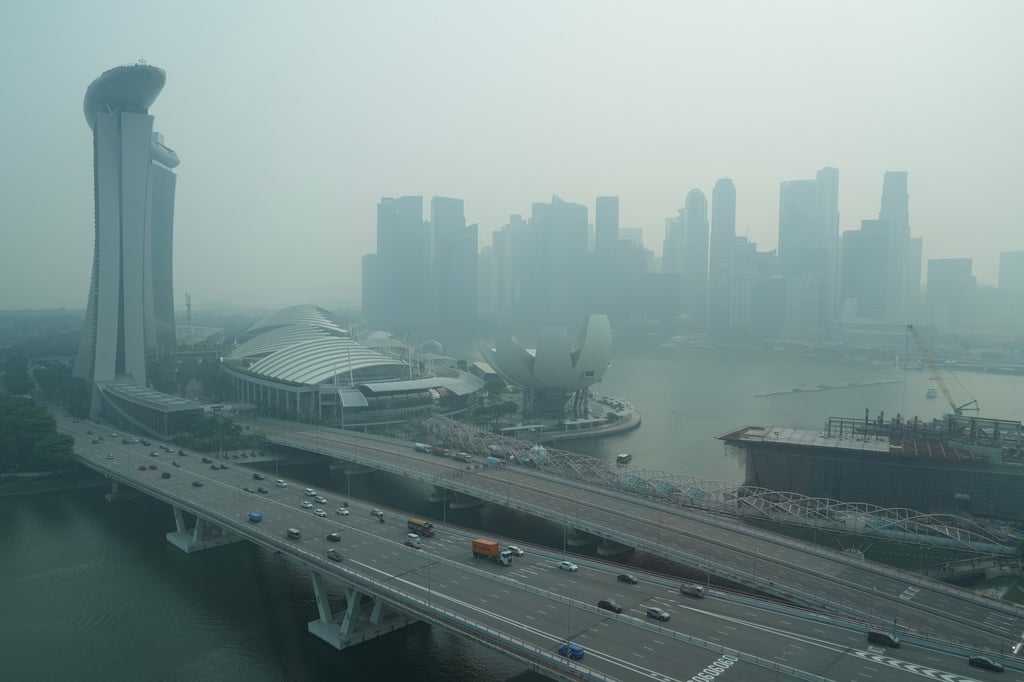
Some challenges are harder to tackle as they cross national borders – these include online scams or haze.
Singapore is grappling with its worst haze episode since 2015. It has sent notices to 10 Singapore-based firms and 10 Indonesian firms under the Transboundary Haze Pollution Act.
“We cannot solve these problems through our own efforts alone. We need cooperation from other countries,” Wong said.
“But that does not mean we stand by and do nothing. We are doing everything we can within our power to protect Singaporeans, strengthen our own response and work with partners to tackle these problems at source.”
Touching on governance, Wong said that the Singapore we want cannot simply be delivered by the government to Singaporeans, and has to be “built with Singaporeans”.
“That is the partnership we strive for: a PAP government that listens, acts and delivers. A people who step forward and contribute and a society where everyone looks out for one another.”
While Singaporeans have given the PAP a strong mandate to govern for another term, this mandate is not an “entitlement”, Wong said.
“It is a responsibility to deliver what we promised, tackle the difficult issues facing our country and prepare Singapore for what lies ahead. That is why we must never take the trust of Singaporeans for granted. After all, no political party has a permanent claim on that trust,” Wong said.
“Every generation of PAP leaders and activists must earn it afresh. We know what is expected of us. We must listen and deliver. We must hold ourselves to high standards and we must always put Singapore and Singaporeans first.”
‘Sue our government’: growing anger as haze spreads from Indonesia
Wong noted that while some sectors of Singapore’s economy are doing well, others are facing pressures.
Some workers are benefiting from new opportunities, but others are struggling to keep up. Lower-wage workers worry about keeping pace with rising costs, while Singaporeans in their 40s and 50s who lose their jobs worry about finding work again.
“We understand these concerns and we will respond to them. Our task is not just to keep the economy growing. It is to make sure that growth translates into better lives for all Singaporeans,” he said.
The government is also doing more to ease the burdens on parents and give families greater assurance, as seen by measures introduced at this year’s National Day Rally, he added.
Wong acknowledged that the government has a “full agenda”, such as continuing to tackle the cost-of-living pressures and helping Singapore secure better jobs.
Ultimately, the government will do its part, but everybody has a part to play too, the prime minister said.
“We will create opportunities and support workers through change, but workers must be prepared to learn and adapt,” Wong said.
“We will reduce the emphasis on exams and broaden education pathways, but parents must give their children space to grow at their own pace.
“We will strengthen support for families and seniors, but all of us must also look out for one another.”
KioskNews shows a cleaned-up reading view extracted from the publisher’s page — the original always lives on their site, not ours.