Hong Kong approves average fee hikes of up to 4.75 per cent for non-public schools
Hong Kong’s private, semi-private and international schools have been given the green light to raise tuition fees by an average of 4.75 per cent, 4.07 per cent and 4 per cent, respectively.
The Education Bureau said on Tuesday it had received applications from 185 schools as of August 31 to adjust tuition fees for the 2026-27 academic year.
They comprised 49 semi-private schools under the government’s Direct Subsidy Scheme (DSS), 74 private schools and 62 international ones.
One application from an international school was still being processed, the bureau said.
Tuition fees at DSS schools were set to rise by 4.07 per cent on average for the new academic year, it added.
Fees would increase by an average of 4.75 per cent at private schools and 4 per cent at international ones, according to the bureau.
Last year, DSS schools were allowed to increase fees by 4.64 per cent on average for 2025-26, and by 4.8 per cent in the year prior, the most in five years.
Private and international schools got the green light last year to raise fees by 4.62 per cent and 4.6 per cent, respectively.
According to the bureau, DSS schools must provide budgets and justifications in their applications for fee increases, and it would also examine whether the institutions had carried out consultations.
DSS schools were also required to set aside no less than 10 per cent of their total tuition revenue for fee remissions and scholarships to cater to students who could be affected by family financial difficulties, it added.
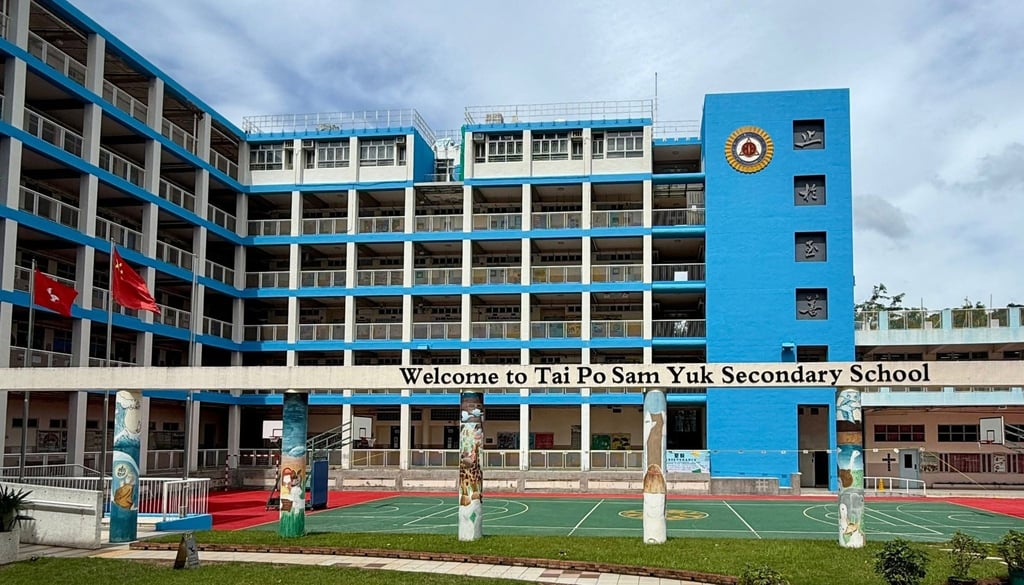
The co-educational Christian Tai Po Sam Yuk Secondary School is set to implement one of the largest fee increases for next year, raising its tuition by 25 per cent rise from HK$12,400 to HK$15,500 (US$1,580 to US$1,975) for Form One.
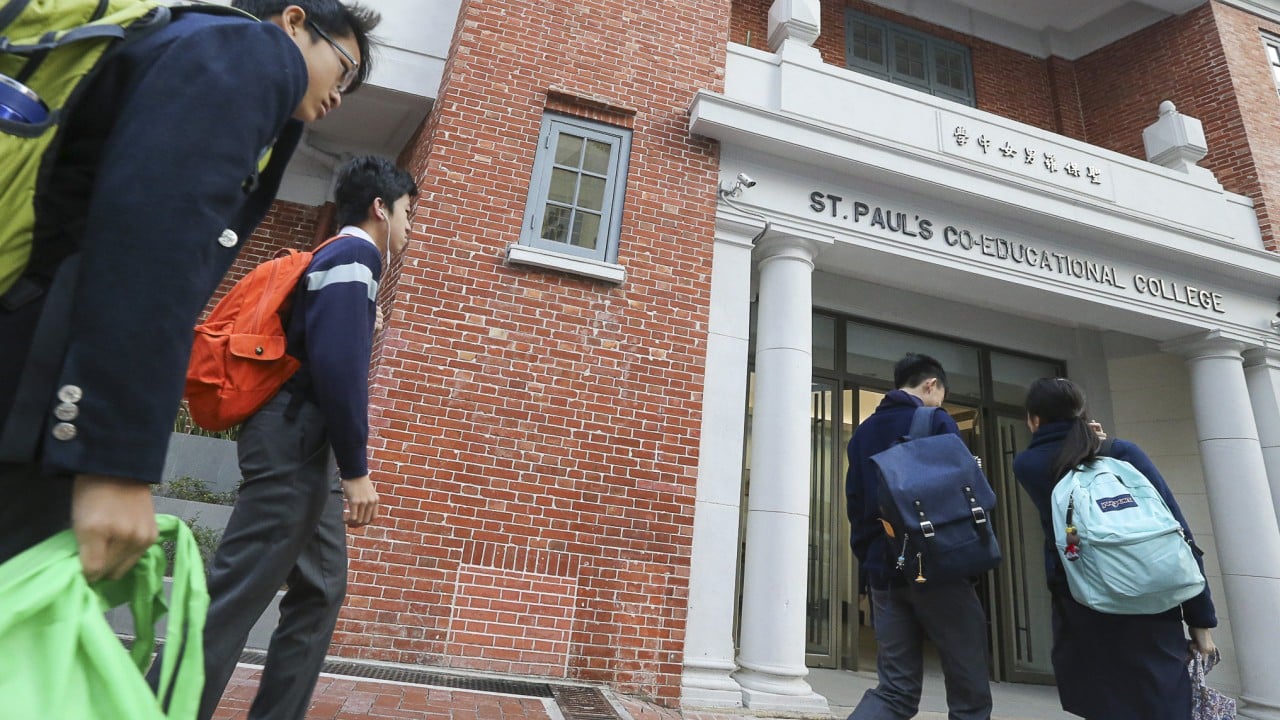
Elite institutions such as Diocesan Boys’ School, Heep Yunn School and St Paul’s Co-educational College applied for 4.2 per cent rises, with the new fees ranging from HK$45,585 to HK$87,800 a year for Form One.
Creative Secondary School in Tseung Kwan O applied to increase its fees from HK$96,250 to HK$99,990, a 3.9 per cent rise.
Dion Chen, vice-chairman of the Hong Kong Direct Subsidy Scheme Schools Council, said every institution’s fee hike had to go through a procedure that involved consulting different stakeholders.
“The price increases require approval from the school management committee, following consultations with the parent-teacher associations, and the proposals are subject to approval from the Education Bureau,” he said.
“I believe that the increase in every school has its relevant justifications, which are accepted by the bureau.”
Chen pointed out that a reduction in government funding, pay rises for civil servants and inflation could contribute to rising school fees.
“The number of teachers at DSS schools is higher than at public schools, so the government’s subsidy might not cover the additional salary increases for their teachers,” he said.
“New measures such as promoting AI or STEAM education, smaller classes or hiring more teachers to offer a diversity of electives could also contribute to the rise in fees.”
KioskNews shows a cleaned-up reading view extracted from the publisher’s page — the original always lives on their site, not ours.