Sorry, Darwin: Chinese fossil shows that not all early birds evolved to fly
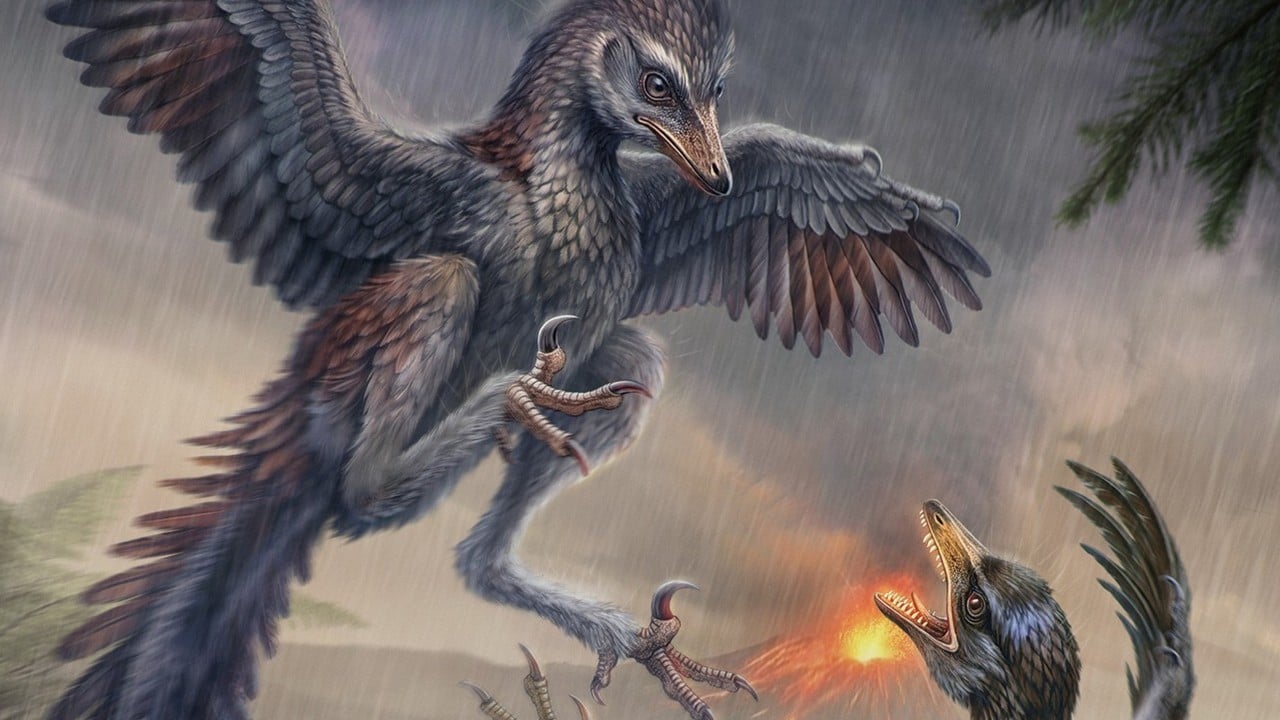
Chinese scientists have unearthed a fossil of the earliest known flightless bird, offering compelling evidence that not all early birds evolved to take to the skies.
The discovery could also challenge long-held assumptions – including ideas dating back to evolutionary theorist Charles Darwin – that flightlessness in birds arose only as a secondary adaptation after earlier species had mastered flight.
The 150 million-year-old fossil of the Late Jurassic avialan Yuezhuornis yangyuanensis found in China’s southeastern Fujian province suggests that early bird adaptation branched out into more diverse, terrestrial non-flying niches much earlier than previously thought.
“Selection for powered flight has been viewed as the main driver of early avialan skeletal modifications,” the researchers said in a paper published in the peer-reviewed journal Nature on October 14.
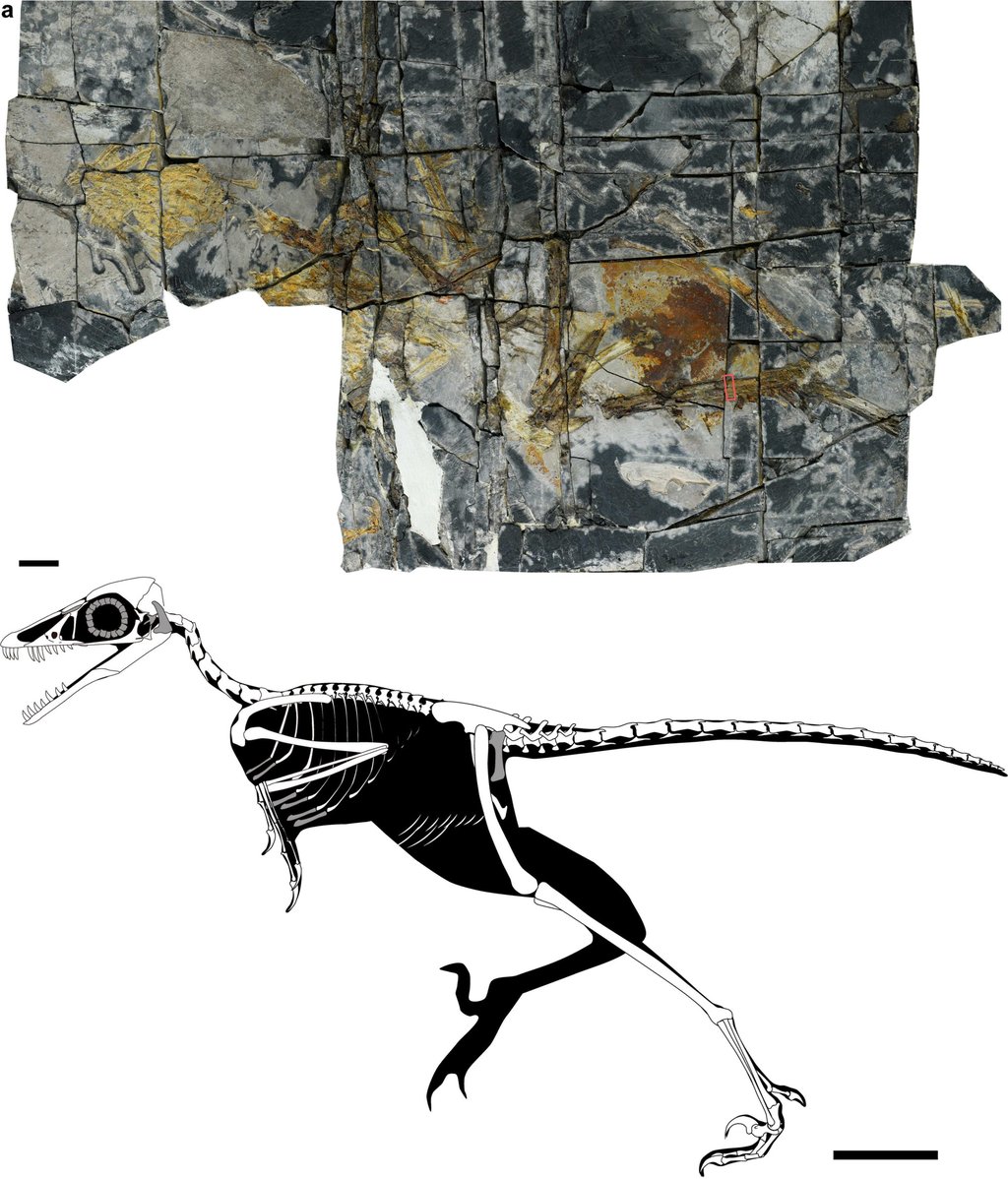
Wang Min, an author of the study and professor at the Chinese Academy of Sciences (CAS) Institute of Vertebrate Palaeontology and Paleoanthropology, said the team was “struck” by the mix of features found in Yuezhuornis.
“It possesses birdlike pelvic and hindlimb structures yet retains the specialised predatory foot and teeth of a small meat-eating dinosaur,” said Wang, according to a CAS statement.
“The mosaic features present in Yuezhuornis demonstrate that acquisition of the bird body plan was not a systematic progression towards flight optimisation but a complex process involving the rapid exploration of different niches,” the team wrote in their paper.
In his seminal 1859 book On the Origin of Species, Darwin proposed that the flightless nature of some birds resulted from wing “disuse” owing to an absence of predators.
The English naturalist proposed that natural selection increased the ostrich’s body size over generations and that “its legs were used more, and its wings less, until they became incapable of flight”.
English biologist Richard Owen, whom Darwin cited in the book, once said: “There is no greater anomaly in nature than a bird that cannot fly.”
While the origin of flightless birds has long been subject to debate, modern genetic studies show that groups like the ratites – which include ostriches, emus and kiwis – evolved from flying ancestors.
The transition from non-avian dinosaurs to their only living descendants – birds – was long assumed to be driven mainly by adaptations for powered flight, which triggered the development of elongated wings and flight feathers.
Southern China’s biggest natural history museum opens in Shenzhen
Understanding the origin and early diversification of birds has been hindered by a scarcity of fossils from the Jurassic period.
With an estimated body mass of 821 grams (1.81lbs), the Yuezhuornis specimen is believed to be an adult or subadult.
Its unique mosaic of features, including limb proportions similar to modern ground-dwelling birds, provides “strong evidence for a terrestrial, flightless lifestyle”, according to the team.
The researchers said the traits suggested the species “was a small-sized carnivore well adapted for running, occupying an ecological niche rarely accessed by other early avialans”.
Using phylogenetic analyses, the researchers placed the species among the earliest diverging birds.
Notably, it lived alongside Archaeopteryx – a famous Jurassic feathered dinosaur seen as an evolutionary bridge between non-avian dinosaurs and modern birds.
Together with other discoveries in this region, Yuezhuornis highlighted the “extraordinary breadth” of ecological and physical diversity present at the dawn of bird evolution, the team said.
KioskNews shows a cleaned-up reading view extracted from the publisher’s page — the original always lives on their site, not ours.