US should spy on Chinese firms to maintain edge in tech race: ex-CIA official
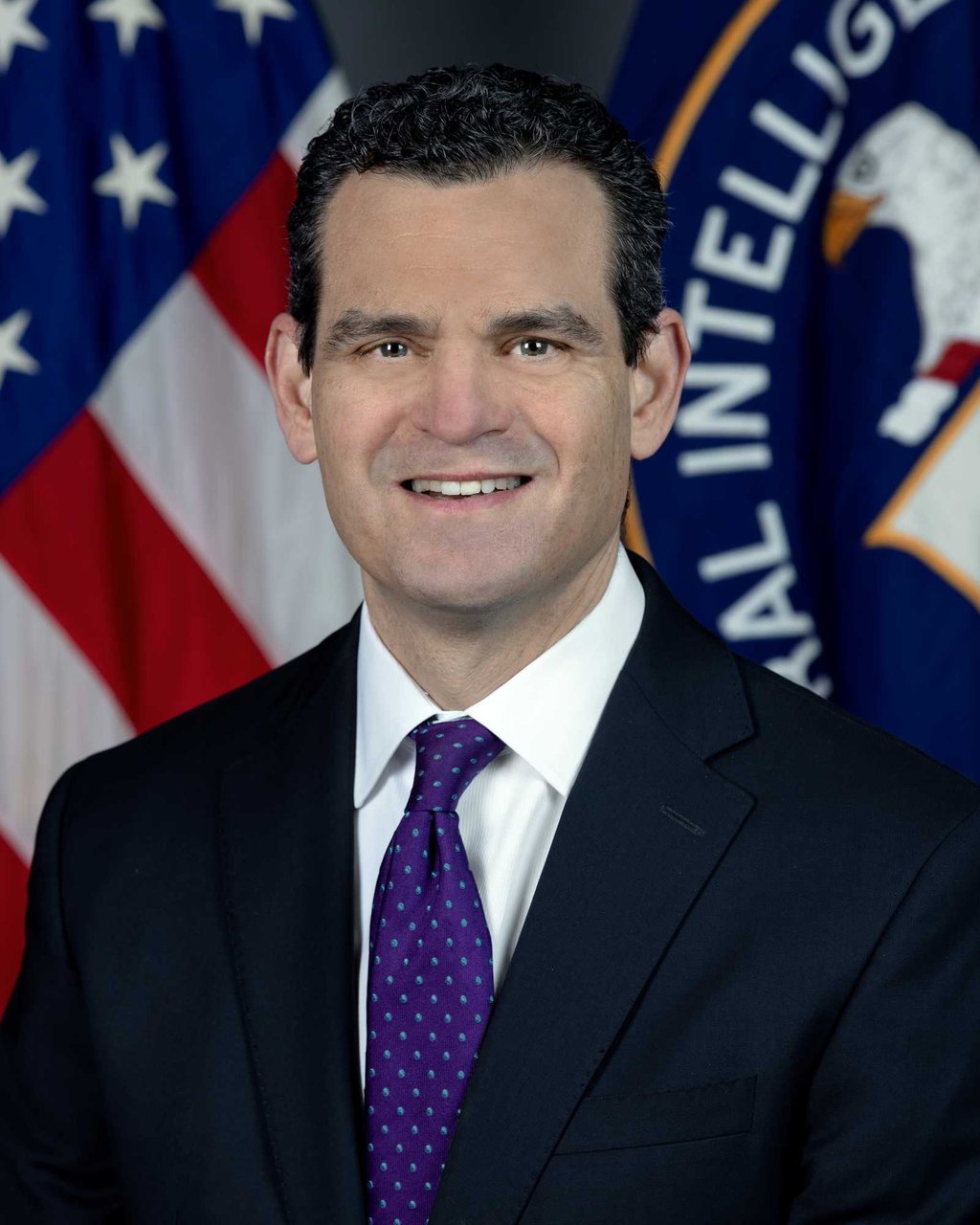
A former CIA official has called for Washington to spy on foreign companies to help US firms stay ahead in the technology race, in what would represent a break from long-standing US policy amid intensifying competition with China.
“The US lead in many crucial advanced technologies is being contested or even erased by China,” wrote David Cohen, who served as deputy director of the Central Intelligence Agency under Presidents Barack Obama and Joe Biden, in an article published by Foreign Affairs earlier this month.
“By abstaining from economic espionage, the United States has tilted the playing field against itself and magnified the Chinese threat.”
The call for economic espionage, which Cohen claimed could also help counter alleged Chinese efforts to spy on US firms, came as China ramps up efforts to secure its trade secrets.
Cohen said a 2014 presidential policy directive by Obama that banned spying on foreign firms to “afford a competitive advantage to US companies and US business sectors commercially”, which the administration of US President Donald Trump has yet to rescind, no longer served US national interests.
“A comprehensive strategy requires the United States to formally lift its existing prohibition on economic spying,” he said.
Other countries had long conducted government-supported espionage against American firms, he said, citing not only countries such as China, Russia and Cuba, but also US allies including France and Israel.
The US can no longer afford for its companies to fall behind in the current technology race since the country’s national security is increasingly dependent on private firms’ innovations in areas such as artificial intelligence, 6G telecommunications and quantum computing, according to Cohen.
The new US business espionage efforts should only target adversaries including China, Russia, Iran and North Korea, and the results should only be shared with “specifically identified frontier tech sectors,” he said.
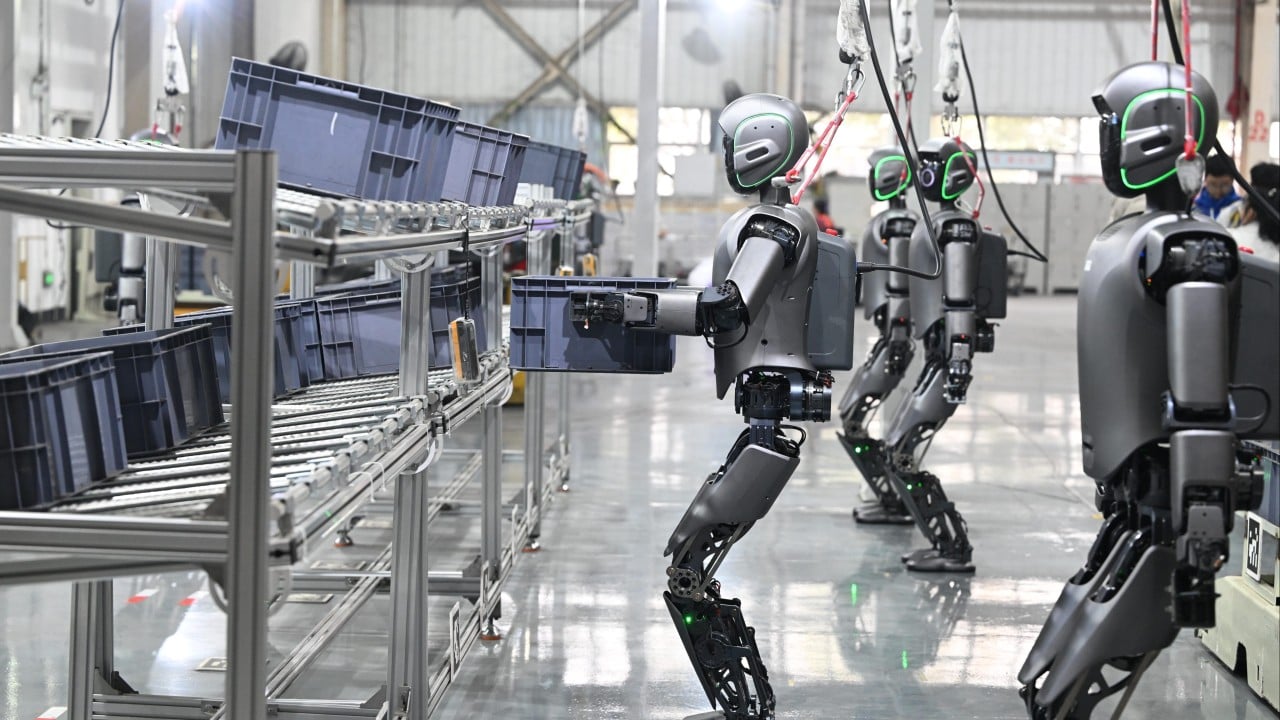
The proposal came as Beijing moves to strengthen protections over Chinese firms’ trade secrets.
China’s Ministry of Commerce introduced draft rules on Monday to protect trade secrets from foreign entities. Earlier in October, the Ministry of Science and Technology proposed export bans that would affect 14 technologies in sectors ranging from AI to biotechnology and photovoltaic solar power.
SCMP Plus is a new premium news platform that gives you an
all-inclusive edge to stay ahead on China news.
To access our exclusive content you’ll need to subscribe.
Already a subscriber?
LOG IN
The commerce ministry previously criticised current CIA deputy director Michael Ellis’ announcement that Washington was broadening its spying efforts targeting Chinese companies in areas such as AI, semiconductors and biotechnology.
“US intelligence agencies have directly intervened to disrupt normal economic competition,” the ministry said in a statement in September. “Such practices have seriously undermined the business expectations of companies around the world and damaged the global market environment for fair competition.”
Analysts warned Cohen’s proposal could create new risks, such as stoking corruption and damaging the wider intellectual property protection system.
“Cohen seems to be saying it would be fair game to use ‘economic espionage’ to collect information on technology that can be given to domestic firms so they become more competitive,” said Peter Chase, a former US diplomat and senior fellow at the German Marshall Fund. “Here, he is wrong on many counts.”
The most obvious problem with Cohen’s proposal was the potential for corruption when a government has something to “give” a domestic firm, Chase said. How to decide which firms could receive such information could be “a mess”, he added.
State-led commercial espionage also risks undermining the intellectual property protection system, which relies on companies telling a government their trade secrets and the government promising to protect those secrets, according to Chase.
The strength of this system, with the promise of enforcing protections, is critical to a country’s technological innovation capability, he said. “If a government is known as stealing commercial technology and giving it to others, why would one ever register a patent in that country?”
KioskNews shows a cleaned-up reading view extracted from the publisher’s page — the original always lives on their site, not ours.