New passport rule sets five-year validity for children under 15, revises fee
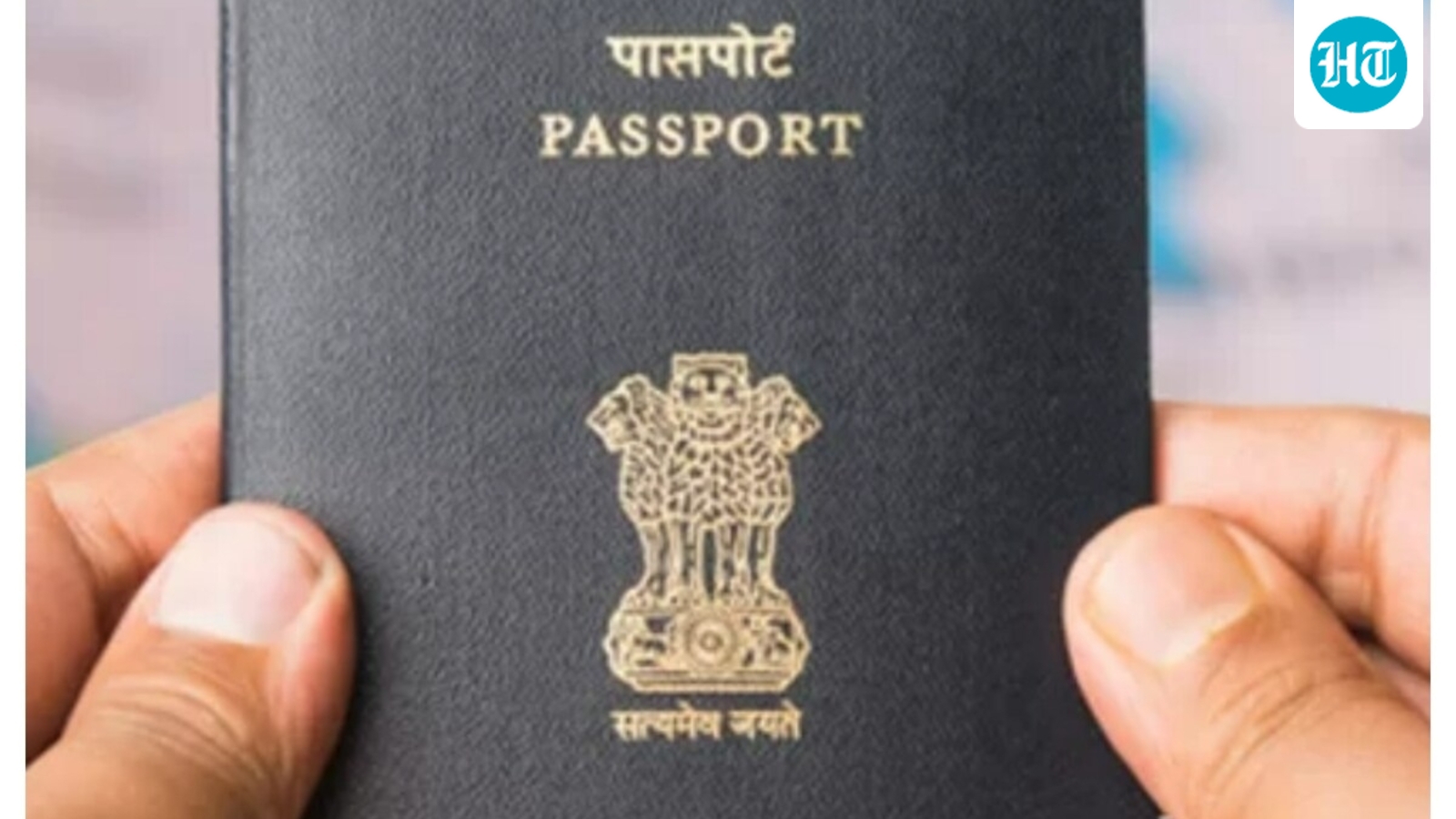
The Ministry of External Affairs has amended passport rules to specify that an ordinary passport issued to a child below 15 years of age, containing 36 pages, will be valid for five years from the date of issue or until the child turns 18, whichever is earlier.
Signed by Joint Secretary and Chief Passport Officer BS Mubarak, the new regulations, notified through the Passports (Amendment) Rules, 2026, came into force immediately upon publication in the Official Gazette on September 15.
The amendment was made under the provisions of the Passports Act, 1967. It modifies Rule 12 of the Passports Rules, 1980, which deals with the validity of passports issued to minors.
Under the newly substituted Sub-Rule (1A) of Rule 12, a 36-page ordinary passport issued to a child under 15 years of age will now remain valid for 5 years from the date of issue or until the child turns 18, whichever comes first.
However, if the child reaches the age of 18 before the five-year period expires, the passport will cease to be valid when the holder turns 18. This means the actual validity will depend on the child’s age at the time the passport is issued.
For example, if a passport is issued to a child at the age of 14, it would ordinarily be valid for five years, up to the age of 19. However, since the child will turn 18 four years after the passport is issued, the passport will cease to be valid when the child turns 18. It will therefore not remain valid from the ages of 18 to 19.
Earlier, the rule directed that an ordinary passport for a child below the age of 15 years, containing thirty-six pages shall be in force for a period of 5 years from the date of its issue or until the child attains the age of 15 years, whichever is earlier.
Also Read: Woman shares nani's 1976 passport, internet reacts to the throwback
Changes in application fees
The notification also makes a change to Rule 8 concerning passport application fees. Amendments to Rule 8 (1) mandate that fee structures across all application types strictly adhere to the updated rates specified in Schedule IV of the Passports Rules, 1980.
The amendment replaces the existing wording to provide that fees for different types of applications will be charged at the rates specified against the corresponding applications in Schedule IV of the Rules.
These changes amend the foundational Passports Rules, 1980, which were recently updated in June 2026.
‘Passport-services related fees’
MEA had earlier revised passport fees across categories, with the new rates that came into effect from July 1. Under the revised fee structure, the cost of a fresh or reissued 36-page passport for adults will increase from ₹1,500 to ₹2,500, while the fee for a 60-page passport will rise from ₹2,000 to ₹3,500.
The Tatkaal fee for a 36-page passport was also revised to ₹5,000 from the current ₹3,500, while a 60-page passport under the Tatkaal scheme will cost ₹6,000 instead of ₹4,000.
KioskNews shows a cleaned-up reading view extracted from the publisher’s page — the original always lives on their site, not ours.