Dental patient left with costs exceeding £10,000 after multiple failed root canal treatments
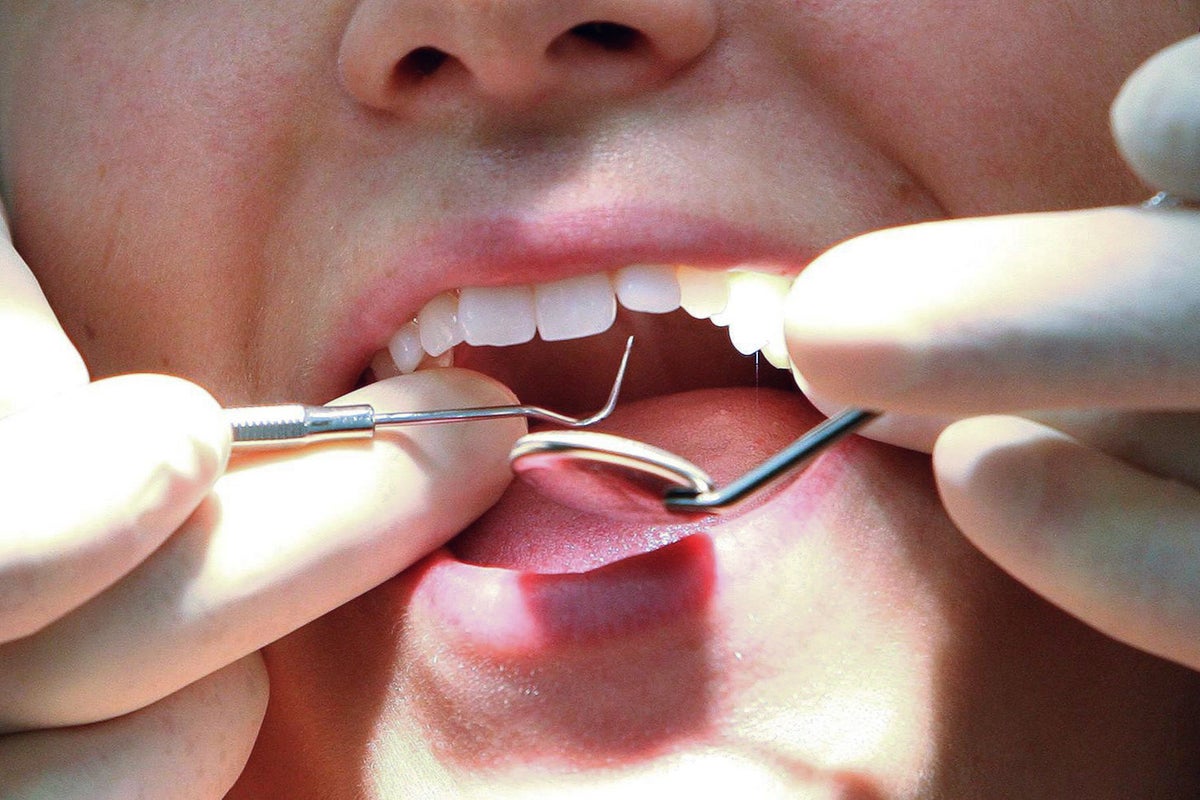
Private dental patients are dealing with a "broken" complaints process when attempting to resolve unexpected bills or care issues, a consumer watchdog has said.
In one instance cited by Which?, costs for a patient’s root canal treatment following a football injury rose beyond £10,000 after multiple failed attempts, having initially been quoted £3,400.
Although he clawed back 66 per cent of the fees after bringing a claim to the Dental Complaints Service, he ultimately chose not to seek full compensation due to fears of losing access to dental provision.
Another patient told the watchdog she was “held ransom” after querying an incorrect £125 fee following a whitening offer, with her practice refusing to book routine check-ups for both her and her young child until she paid the disputed sum.
Which? surveyed 1,009 private dental patients who had experienced a problem with their treatment in the previous two years to find that 39% felt costs were excessive, 22% paid more than quoted and 21% said pricing was unclear upfront.
A quarter of those surveyed (26%) said they were dissatisfied with the quality of their treatment, with one in 10 (10%) reporting a direct clinical mistake by their dentist.
Some 16% said they experienced “high-pressure tactics” such as feeling pressured into specific treatments, and 11% said they were “forced” onto monthly dental payment plans.
The British Dental Association (BDA) said patients had “every right to expect transparency over costs and an effective complaints process”, adding that it would be “entirely misleadingly” to suggest that those surveyed by Which? were “representative of the millions of patients treated by private dentists every year”.
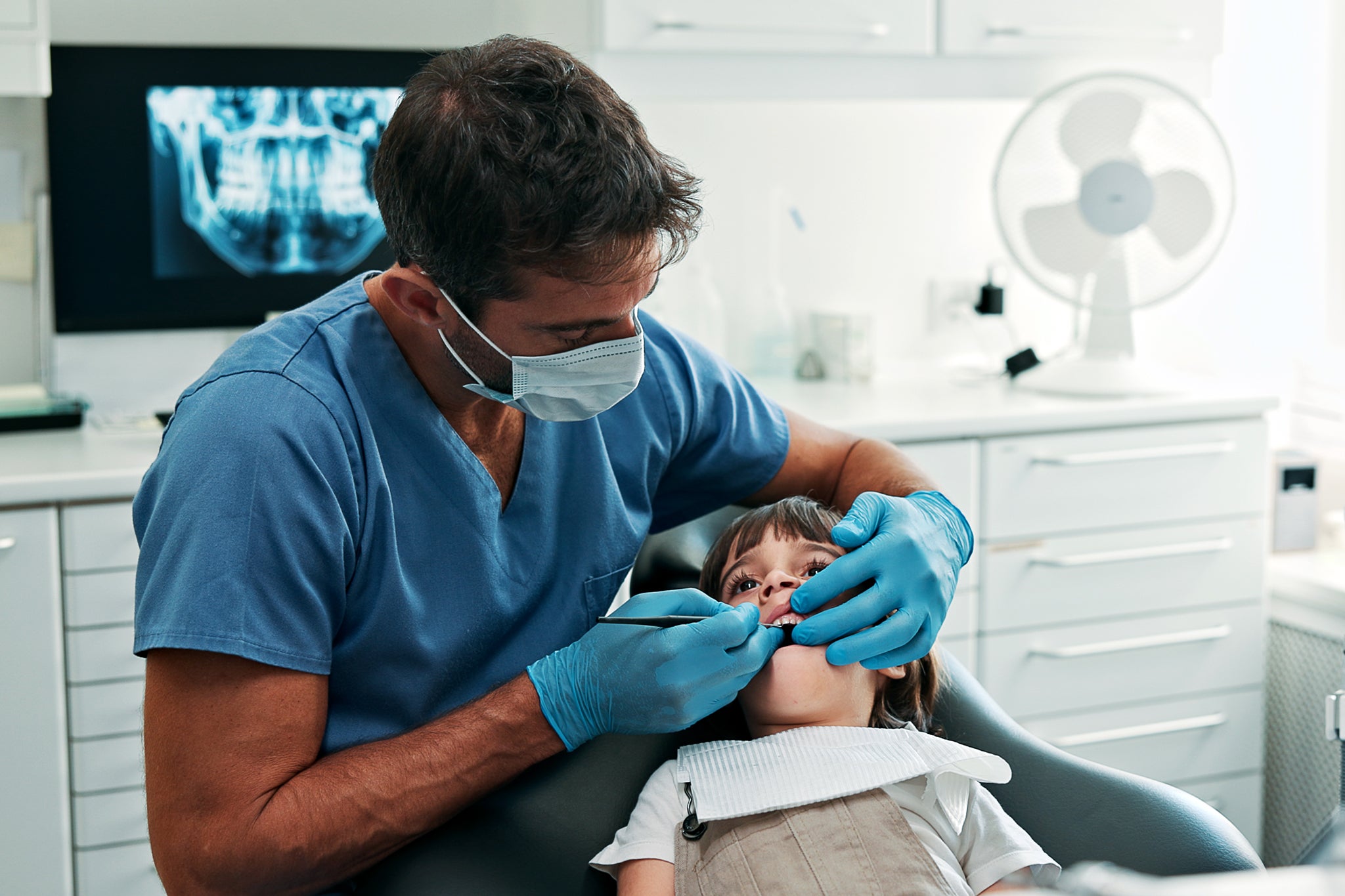
Some 62% of those polled by Which? chose not to complain to their practice.
This was most commonly due to a fear of damaging their relationship with their dentist (31%), or believing that making a complaint would not make a difference (31%).
Of those who did complain, nearly half (46%) said they received a verbal apology but no financial or clinical resolution.
More than a quarter (27%) were dissatisfied with how their complaint was handled and 30% were unhappy with the outcome.
In the event of a problem, patients must first complain directly to their dental practice.
If the issue remains unresolved, they can approach the Dental Complaints Service (DCS), which can help facilitate mediation and make recommendations.
However, it cannot award compensation for any pain, distress, or inconvenience and its recommendations are not legally binding, leaving patients without an equivalent route to an independent decision on their dispute.
Which? found that just 9% of those polled escalated their complaint to the DCS, while 5% went to the General Dental Council and 1% pursued legal action.
Almost two thirds of those who did not escalate their complaint (63%) said they felt further action was pointless.
The Competition and Markets Authority (CMA) launched a market study into private dental services earlier this year, examining issues including competition, price transparency and complaints processes.
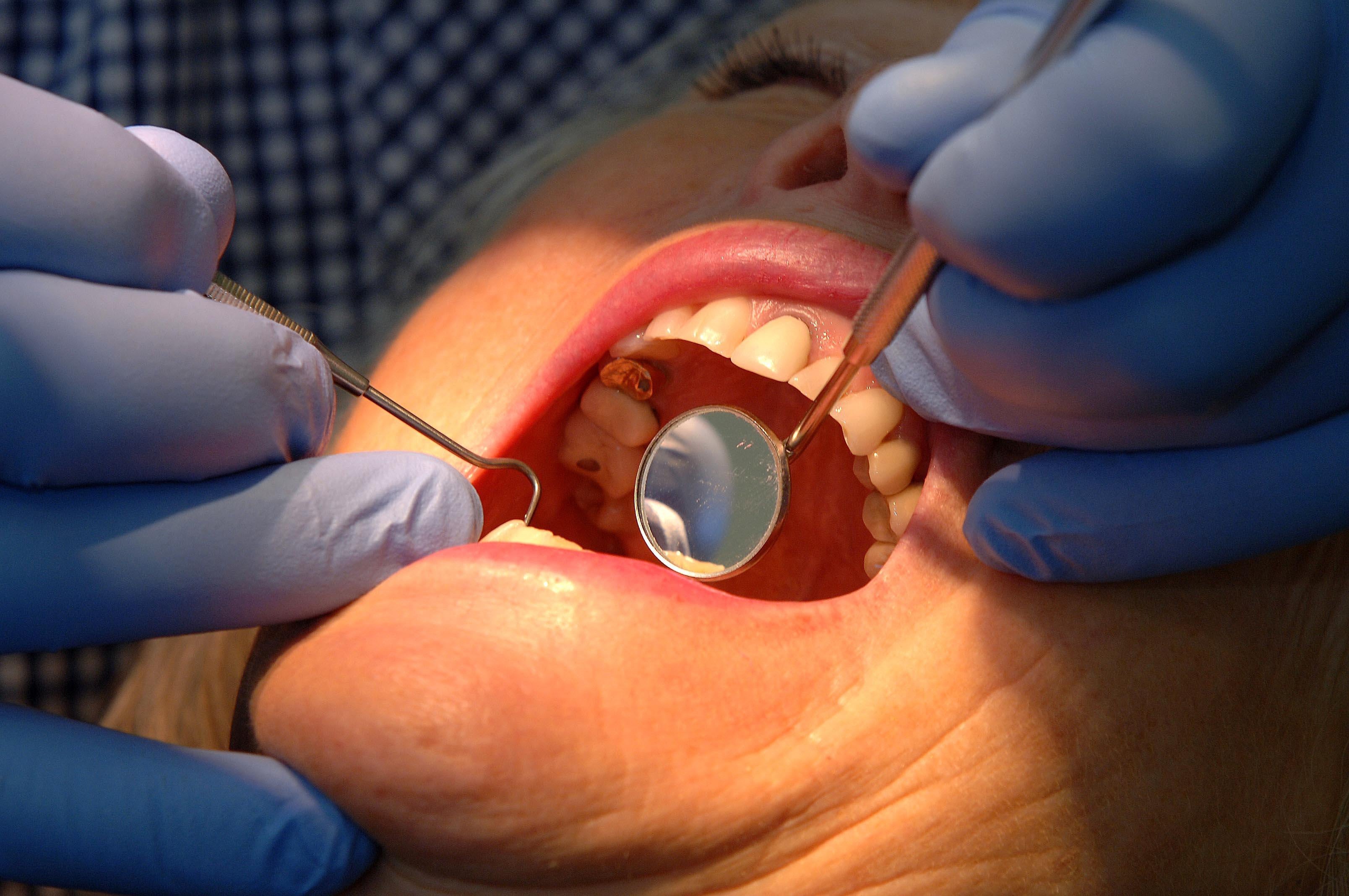
Which? head of consumer protection policy Sue Davies said: “People paying hundreds or even thousands of pounds for dental treatment should have clear rights when something goes wrong, yet private patients can be left with nowhere meaningful to turn.
“Our research found people facing unexpected bills, treatment problems and complaints that ended with little more than an apology, while some were too worried about damaging their relationship with their dentist to complain at all.
“Private dental patients deserve the same level of protection as people using other essential services. The government and regulators must ensure that consumers can access a mandatory independent ombudsman for private dentistry, with powers to make binding decisions and award redress, alongside compulsory signposting to the complaints process.”
BDA chairman Eddie Crouch said: “Every dental patient deserves safe, high-quality care, clear information about costs and somewhere meaningful to turn when they’re not satisfied.
“But these findings need to be put firmly in perspective. Which? set out to survey people who had already experienced a problem with private dental care. It would be entirely misleadingly to suggest their experiences are representative of the millions of patients treated by private dentists every year.
“Dentists work incredibly hard to maintain the trust of their patients. The evidence is clear the overwhelming majority are satisfied with the care they receive.”
Mr Crouch added: “There is an elephant in the room here. The extraordinary growth of private dentistry is the direct consequence of successive governments failing to fix and fund NHS dentistry.
“Millions have few options because a core part of our health service has been left to wither.”
Which? surveyed 1,009 adults in May who had experienced a problem, or whose dependents had experienced a problem, with private dental treatment in the past two years.
Which? screened 5,848 consumers to achieve this sample, representing a problem incidence rate of 17%.
KioskNews shows a cleaned-up reading view extracted from the publisher’s page — the original always lives on their site, not ours.