This ‘hard to swallow’ Filipino film hopes to make Oscars history
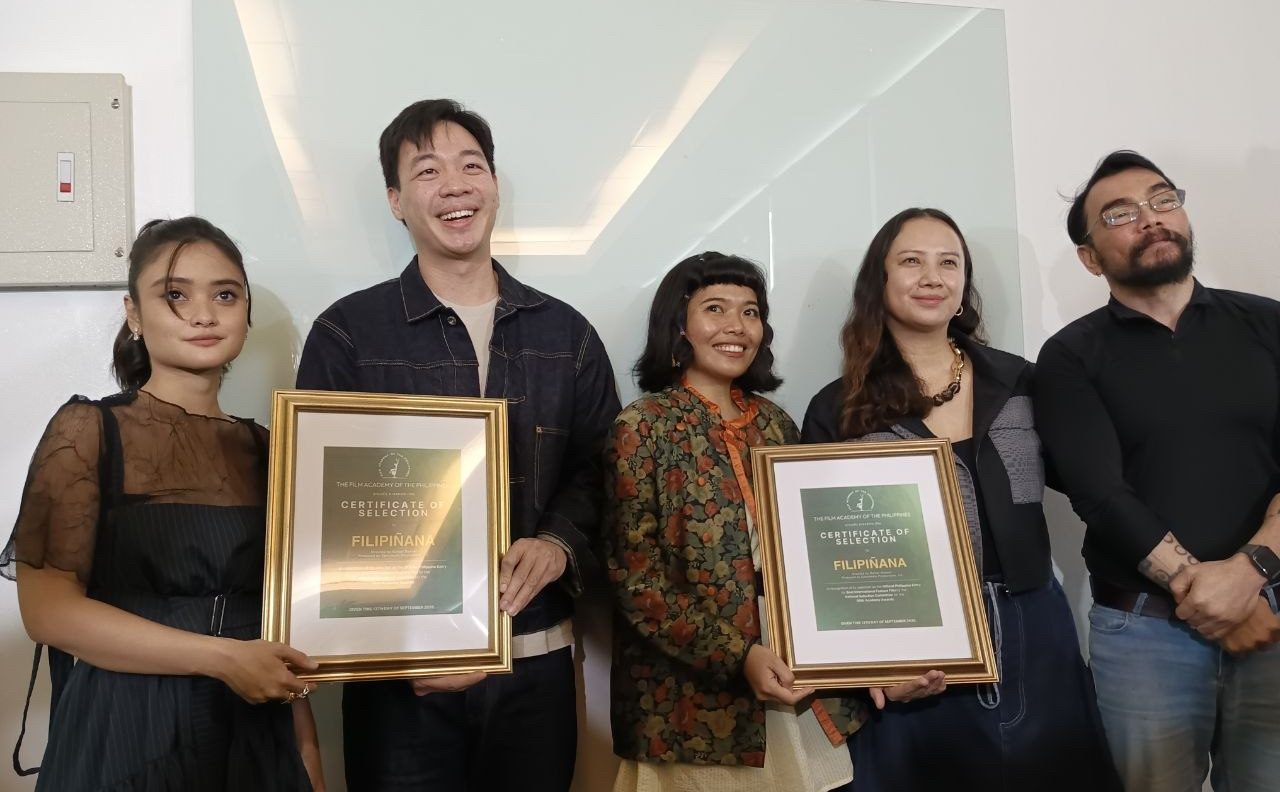
MANILA, Philippines – The Philippines attempts to make history after selecting Filipiñana as the country’s official entry to the Best International Feature Film category of the 99th Academy Awards.
A 100-minute film showing the Philippines’ class divide, Filipiñana tells the story of 17-year-old Isabela, who works as a “tee girl” in an exclusive golf club.
“It’s hard to accept a formalist film that isn’t a narrative,” said film producer Bianca Balbuena in Filipino.
Initially a short film, the full-length feature directed by Rafael Manuel and co-produced by Bradley Liew has been praised for its visual storytelling, but has also drawn critique for its slow pace.
“As director Rafael said, how he thought of this is not script-based, it’s more on verses, like music: verses, chorus. So it’s hard to accept. Even us (producers), when we first saw the cut, we said, ‘This is hard to swallow.”
But it’s this unique approach that Filipiñana hopes to bank on when it tries to earn a nomination at the Oscars. Since the inception of the Best International Feature Film category in 1956, no entry submitted by the Philippines has even made the official shortlist of 15 films.
Filipiñana’s strong reception at the international festivals, including the Sundance Film Festival where it bagged the Special Jury Award for Creative Vision, has kept everyone behind the film hopeful.
“I think the international audience saw a different side of the Philippines, and saw a different kind of what Philippine cinema can be and is. They were excited to see something different,” Balbuena said.
Locally, Filipiñana premiered as the closing film of the Cinemalaya Independent Film Festival 2026
“Actually, Cinemalaya was our 22nd film festival,” Balbuena said. “Then now, we are in our 26th. It is going to Bangkok, going to Busan, Tokyo, Vienna, Hamburg, Singapore, and many more. It’s competing in Pingyao, China also.”
Jorrybell Agoto stars as Isabel, whose job as a tee girl includes setting up golf balls for elite patrons, including the country club’s president Dr. Palanca, played by Teroy Guzman.
Paolo Villaluna, the director general of the Film Academy of the Philippines (FAP), which announced Filipiñana’s Oscars selection last September 13, said the body will again support the country’s Oscars campaign.
“The film offers a visually distinct and controversial portrait of the Filipino experience,” said Villaluna. “The Film Academy will work closely with the Filipiñana team throughout the Oscars campaign, providing the support they need and make the most of this opportunity for Philippine cinema.”
Last year, the Philippines’ Oscars entry, Lav Diaz’s Magellan, made a strong push but still fell short of the Academy’s final cut.
But Filipiñana’s producers said they’ve been campaigning for the film internationally, even before it was selected as the country’s Oscars entry.
“Whether or not we get chosen, we already had a plan,” Balbuena shared. “It was [good timing] that we were at the North American release announcing [its selection]. So we can do an email blast to all the members to watch the North American theatrical run. We’ve also covered the biggest cities of the voters: US and UK. So we are ready since then.”
Aside from Filipiñana, FAP threw its support for the Oscars consideration of 58th (Best Documentary Feature Film) and Agapito (Best Live Action Short Film) in their respective categories.
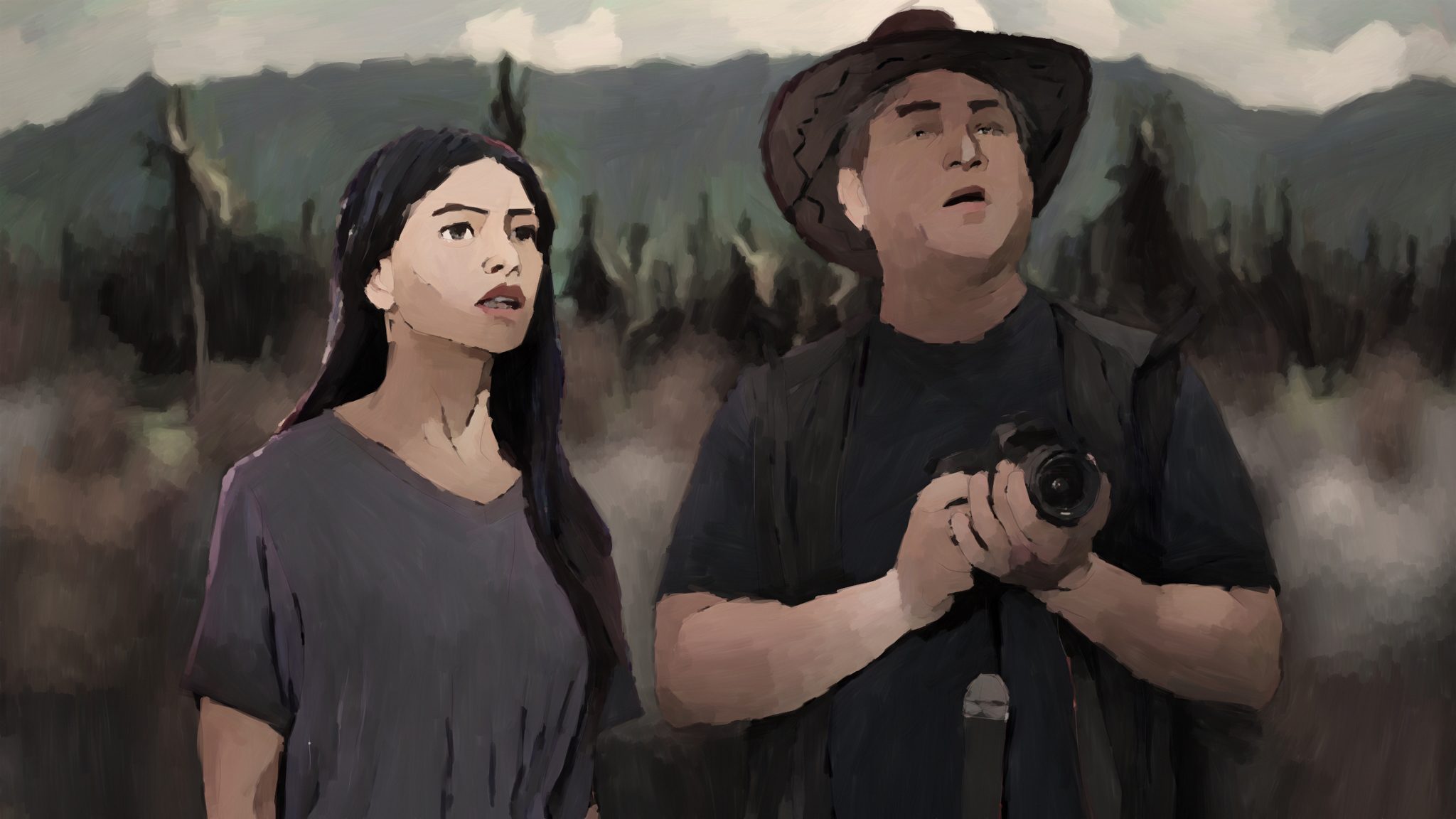
58th, directed by Carl Joseph Papa, is an animated docudrama film about the 2009 Maguindanao massacre, which claimed 58 innocent lives, but only 57 were officially recognized as the body of photojournalist Reynaldo “Bebot” Momay has yet to be found.
“We want the film to be a reminder and an eye-opener: this happened in 2009, and it’s still happening all around the world,” Papa said. “I hope it’s an eye-opener and people will remember, so the tragic events won’t happen again.”
“This is officially the deadliest single day for journalists in the whole history that has ever been counted: 32 journalists killed in one go,” added film producer Nessa Valdellon. “We’re hoping that people who cover…who write stories will be able to appreciate it and realize, ‘God, this is the importance of [our] jobs.’”
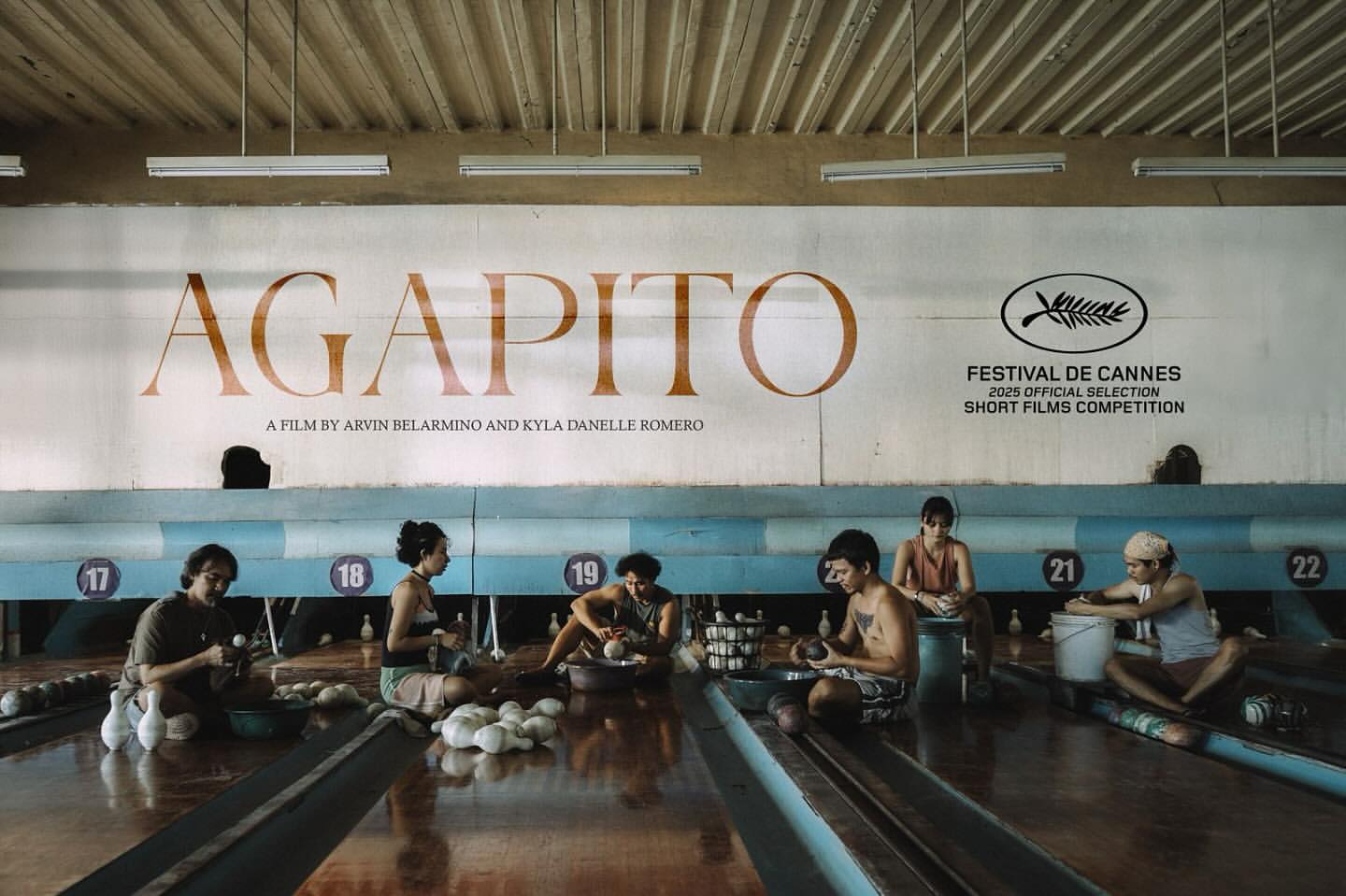
Agapito, co-directed by Arvin Belarmino and Kyla Danelle Romero, tells the story of manual pinsetters in a vintage duckpin alley and explores the themes of love, family, and patience in a working-class setting.
“Agapito is about a real person, actually. He’s my brother who’s in the autism spectrum, special child,” said Belarmino. “It’s my first time to produce because mostly the films I make before are subcultured, sociopolitical. It’s my first time to show vulnerability to tell about the story of a loved one.”
“Filipinos are still constantly telling their stories for the Filipinos. It’s just a matter of exposure to everybody,” said Jon Galvez, one of Agapito’s producers.
“My wish is: instead of trailers are shown outside cinemas, I hope it will be short films — to provide space for short filmmakers to show their films outside of festivals. Philippine cinema is worth it. Worth fighting for, worth watching.”
“Let’s just give it a chance,” Galvez added. “There are a lot of factors involved, that’s why it’s not supported all the time, but just give it a shot. The talent of Filipinos, the storytelling, it’s so different.”
The deadline for submission of films to the Academy Awards is on September 30, 2026, with the official shortlist of 15 films to be revealed on December 15, 2026.
In 2027, the five final nominees will be announced on January 21. The 99th Oscars ceremony is set on March 14, 2027 at the Dolby Theater in Los Angeles.
“I hope all eyes are on the Philippines now, all Hollywood eyes. I think we have a good chance with the three titles here,” Villaluna said.
“I hope the Filipinos support all our films. We are the masters of cinema, we are good storytellers.” – Rappler.com
Angel Camille Dio is a Rappler intern studying BA Journalism at Polytechnic University of the Philippines.
KioskNews shows a cleaned-up reading view extracted from the publisher’s page — the original always lives on their site, not ours.