Fake pharma racket sourced Pfizer labels from Turkiye: SIT
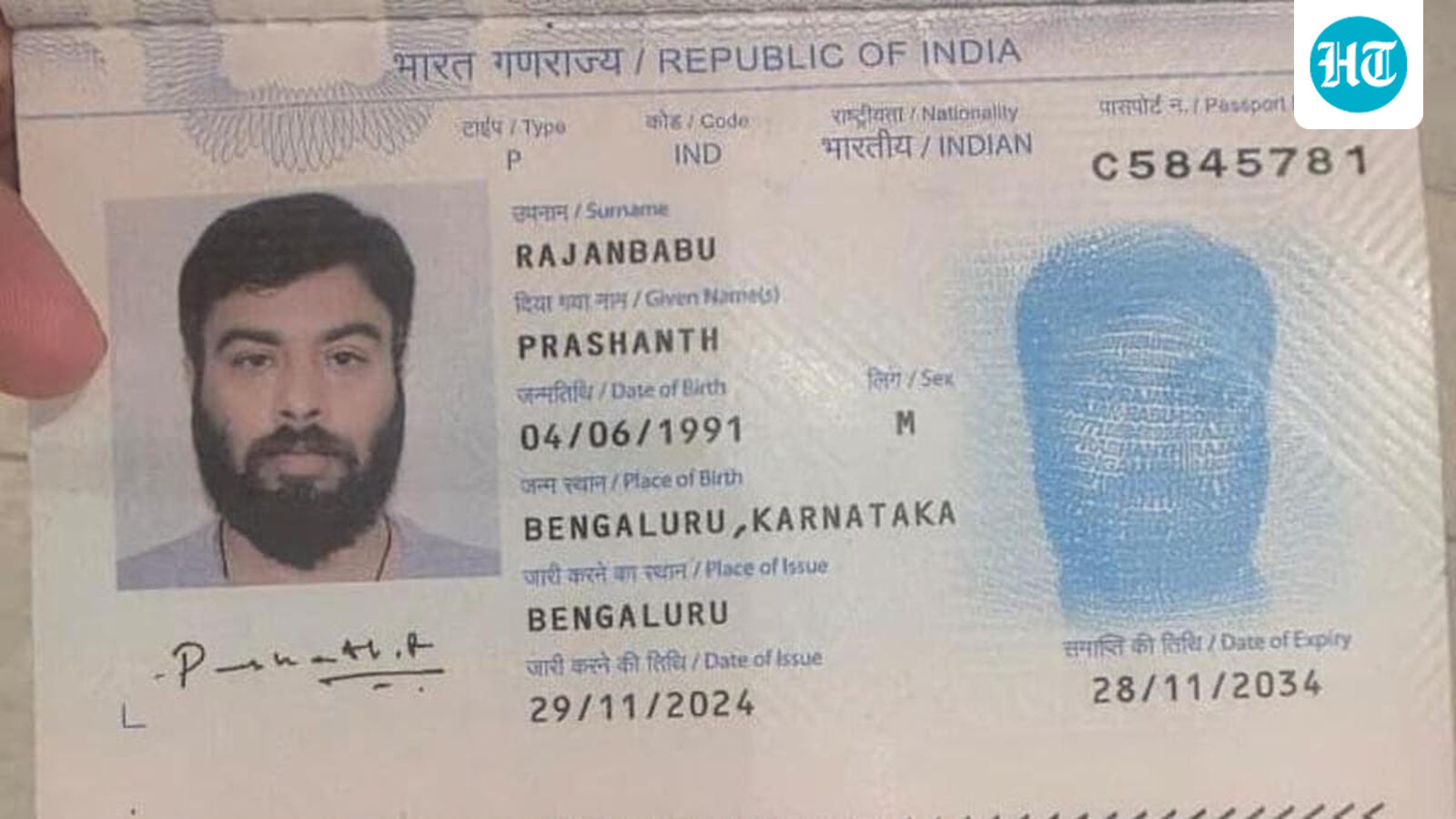
The SIT investigating the alleged fake pharmaceutical racket helmed by a former medical representative based in Karnataka has said that the probe traced overseas links in Turkiye who supplied original Pfizer labels used to package the contraband.
The 36-year-old alleged mastermind, R Prashanth Ranjan Babu, was arrested after landing at Kempegowda International Airport on September 28.
“Prashanth travelled to Turkiye several times to obtain the labels. After his Turkish visa was cancelled, we traced travel through other countries, including Azerbaijan, while intermediaries continued arranging the labels,” an investigator said on condition of anonymity.
The labels were allegedly applied to vials containing cheaper medicines and used to make them appear to be genuine Pfizer products.
“We have not concluded that the drug material came from Turkiye. Our investigation shows procurement of the material from several places within India, while the labels formed a separate part of the operation,” an officer said.
Another senior officer said the network appeared to have been structured so that those procuring the drug material, processing it and distributing the finished products were not necessarily the same people.
“We are mapping every stage separately because the material, processing and distribution were handled through different entities. The records are now helping us connect these stages and identify who was involved at each level,” the officer said.
The SIT has now traced nearly 10,000 vials labelled as Pfizer products Zavicefta and Emblaveo, both high value antibiotics, allegedly distributed through the network from around April 2025.
“Cheaper or generic medicines were procured from Hyderabad, Chennai, Uttarakhand and other states, brought into the network and filled into vials before being presented as genuine branded products,” said the officer.
The case surfaced on August 18, when Karnataka’s Food Safety and Drugs Administration (FSDA) and Tavarekere police raided farmhouses in the Bidadi and Dodderi areas of Bengaluru South and seized suspected spurious medicines, fake bills, injection filling equipment and counterfeit labels worth around ₹5 crore. They also arrested four people. The SIT was formed two days later to investigate the wider network.
The investigation has since expanded across the supply chain, with seven people arrested, including Veeresh Kumar Jain and Balasubramanya, a Chennai based associate and partner in DM Pharma alongside Prashanth’s wife Priyanka. Investigators said Prashanth established the firm in 2021. He had worked as a medical representative for more than 10 years in Delhi, Hyderabad and Chennai. Investigators believe his experience gave him knowledge of hospital demand, drug prices, distribution channels and profit margins.
They added that suspected fake medicines were allegedly distributed alongside genuine stock to make them harder to identify.
Alongside the probe, regulatory action by the administration also intensified as investigators traced pharmaceutical companies and distributors linked to the suspected supply chain.
On September 18, the FSDA cancelled the licences of 16 retail and wholesale pharmaceutical firms and suspended those of eight others, including Pfizer’s depot in Nelamangala.
Pfizer said it had been cooperating with authorities, including helping identify genuine and counterfeit batches and providing technical information.
The regulatory action has now reached the state high court. On October 6, the court stayed the FSDA orders cancelling the licence of Fortune Medical Solutions and suspending the licence of Vivanta Pharmaceuticals, allowing them to continue their pharmaceutical distribution business pending further proceedings.
The interim order does not stay the entire FSDA action, including the suspension of Pfizer’s depot.
Investigators said the SIT was now matching purchases, sales, stock received and stock dispatched to reconstruct the movement of the suspected medicines. Bank transactions involving the companies and people under investigation were also being examined.
“We are not looking only at who received the medicines. We are matching invoices, stock movement and payments to understand who else ultimately benefited from the transactions,” an officer said.
KioskNews shows a cleaned-up reading view extracted from the publisher’s page — the original always lives on their site, not ours.