Kindiki threatens to seize assets of harmful alcohol manufacturers
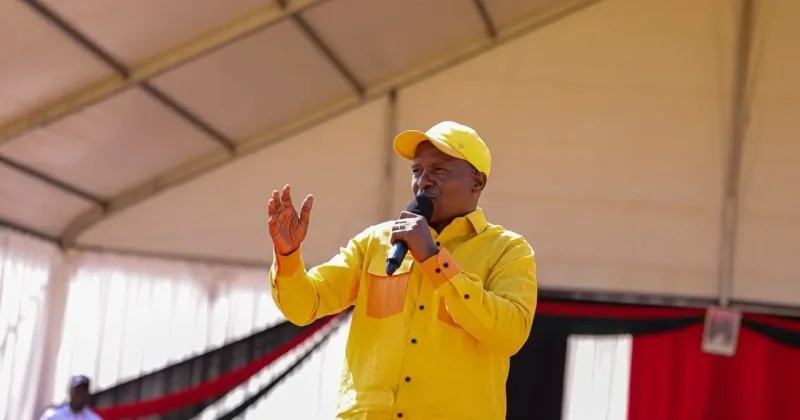
KIAMBU, Kenya, Oct 14 – Deputy President Kithure Kindiki says proceeds from the sale of factories seized from manufacturers of harmful substances will be used to establish rehabilitation centres.
Kindiki said the government planned to target manufacturers of dangerous chemicals and counterfeit products as part of a revised strategy against illicit substances.
Speaking during a rally in Kiambu County, he said the administration would also pursue sellers, suppliers and cartels involved in the trade.
“Once we confiscate a factory that is manufacturing these substances, they will forfeit it. It will be sold. The money will be used to build the application centers,” Kindiki said.
The Deputy President did not specify how many rehabilitation centres the proposed proceeds would finance or when the plan would be implemented.
He also did not outline the legal procedures through which factories would be confiscated, forfeited and sold.
Kindiki said the new approach was intended to make enforcement more effective by targeting the businesses and networks behind the manufacture and distribution of harmful substances.
KioskNews shows a cleaned-up reading view extracted from the publisher’s page — the original always lives on their site, not ours.