The 5-Second Rule is scientifically false
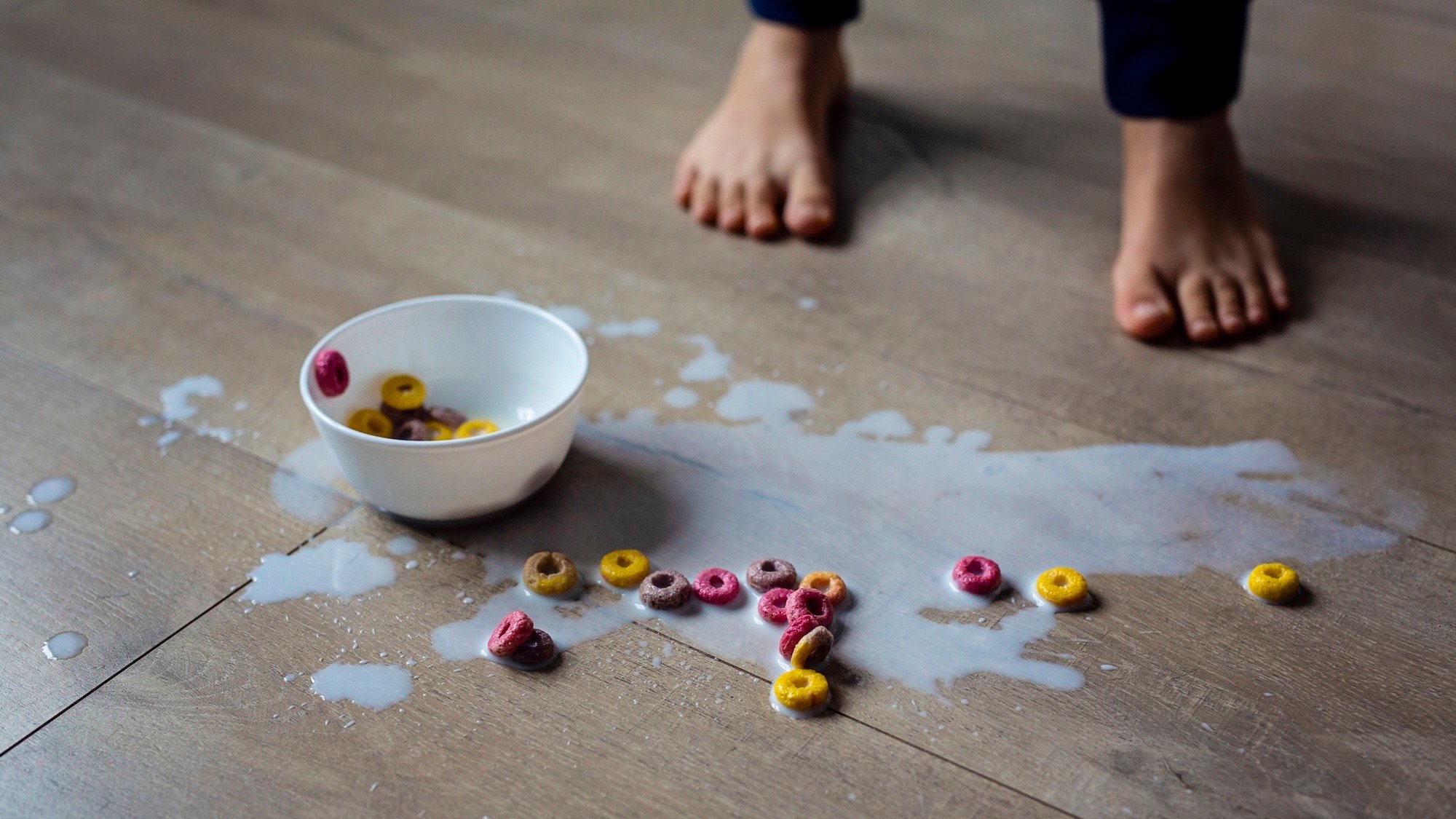
Since elementary school, we’ve all been taught the “5-Second Rule.” The idea is simple: Food dropped on the floor is still perfectly edible if retrieved in under five seconds. The logic behind the theory, such as it is, is that germs and dirt and pet dander are somehow caught by surprise by the sudden arrival of food and need a few seconds to get their bearings. If you snatch the food up quick enough, they won’t have time to get it “dirty.”
Even as kids, we were skeptical but admit it–you still roll the dice on it every now and again. It’s like shouting “shotgun” before getting into the passenger seat even if it’s only you and the driver. It’s instinctual. But is it true?
“Let’s go with ‘No,’ there is no truth to the ‘5-second rule’,” says Gillson Sciences Director of Operations Erin Thane. “But I would argue that specifics matter.”
Wetness matters
As Thane explains, variables such as comparative wetness of said food and type of flooring can swing things one way or another. “Food dropped on a carpet will likely pick up less contamination than food dropped on a smooth surface with the same microbial loads. Sticky or wet foods will likely pick up more contamination than dry foods dropped on the same contaminated surfaces.”
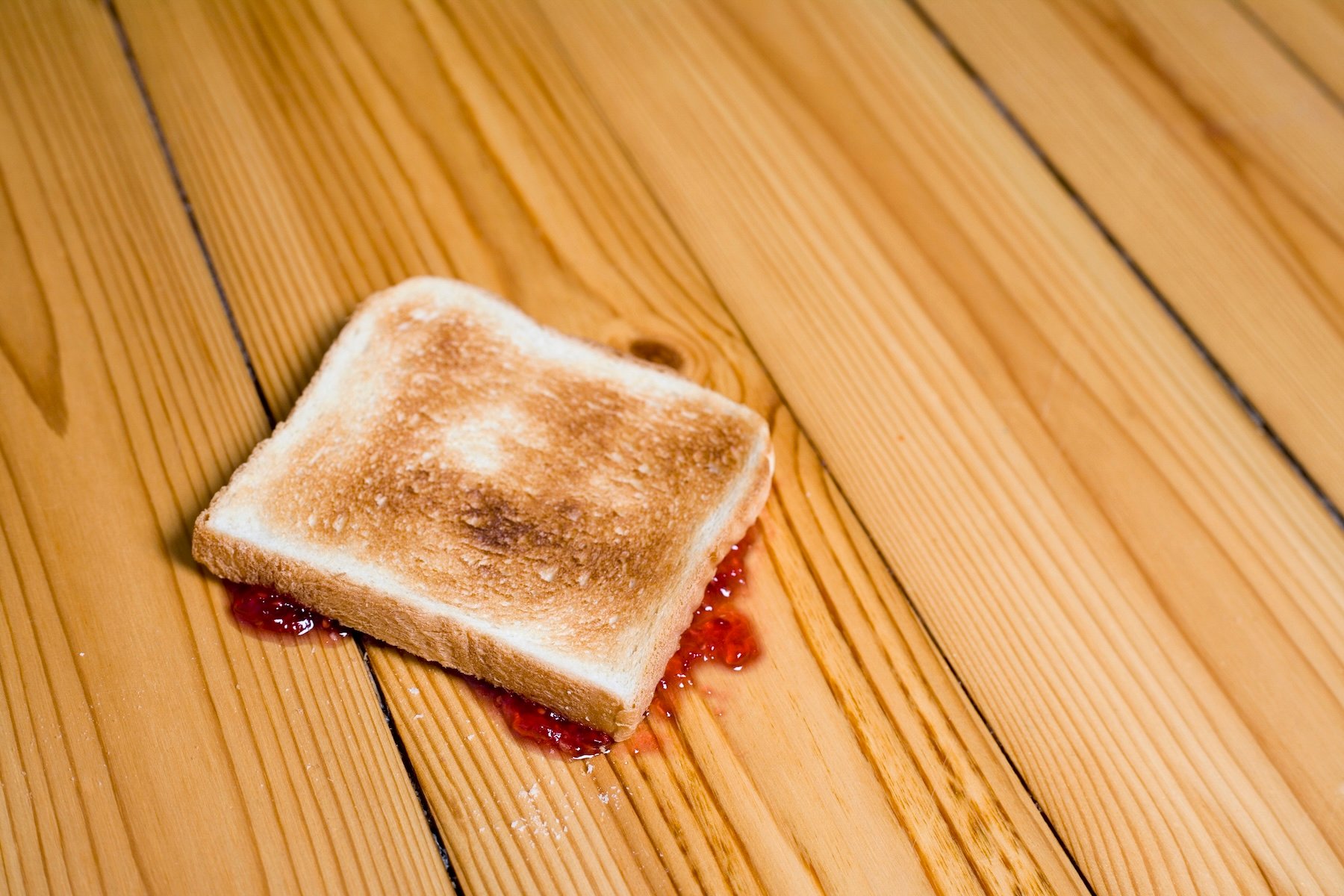
And that’s not all. “There are actually a lot of nuances to this question,” says Thane. “Is it the floor of Windsor Castle or a public bathroom? Was sticky gum dropped and then put back in the mouth, or was it a goldfish cracker? Am I a healthy adult eating something off the ground or an immunocompromised individual?”
Your floors are dirtier than you think
Perhaps more surprising, according to Thane, is that the floors in your home and floors in public spaces actually don’t vary in cleanliness as much as you’d like to think. As Thane puts it, “We all wear the same shoes–or socks hopefully in the home–across the floors we encounter daily, like the kitchen and bathroom, to other areas or spaces. We are constantly picking up hitchhiking germs and depositing them from one floor to the next.”
Specifically skin-inhabiting bacteria such as Staphylococcus (which puts the “Staph” in “Staph Infection”) and Corynebacterium (which can cause diphtheria) to gut bacteria such as Bacteroides. Shoes, clothing, and bags can also carry Bacillus or mold or yeast that can cause nausea and vomiting.
While there are mitigating factors, it’s safe to say that in terms of grossness, the “5-Second Rule” is pretty high up there.
“I would certainly stay away from any wet, moist or sticky foods which act like a sponge and will immediately cling to any and all dirt, debris and contamination that it comes into contact with,” advises Thane. “However, after everything we have discussed so far, I refer back to the best practice or rule of thumb which is to just not eat any food off the floor.”
KioskNews shows a cleaned-up reading view extracted from the publisher’s page — the original always lives on their site, not ours.