Bloom KKCA Academy prepares future-ready learners through project-based education
[The content of this article has been produced by our advertising partner.]
One tenet guiding the teaching philosophy at Bloom KKCA Academy is that tomorrow’s leaders will need an entrepreneurial mindset to find their place in a world sure to be defined by constant change and new challenges.
Therefore, it is essential to develop talents and qualities in each individual which will allow them to thrive in that future environment, in both personal and career terms, and to have a positive impact on those around them.
“As we see it, entrepreneurship is not just about starting companies,” says Renée Boey, Bloom’s founder and head of school. “It is about showing initiative, possessing resilience, and demonstrating creativity and leadership. Looking ahead, we believe success will belong to those who can identify opportunities, collaborate well, communicate effectively, and come up with new solutions.”
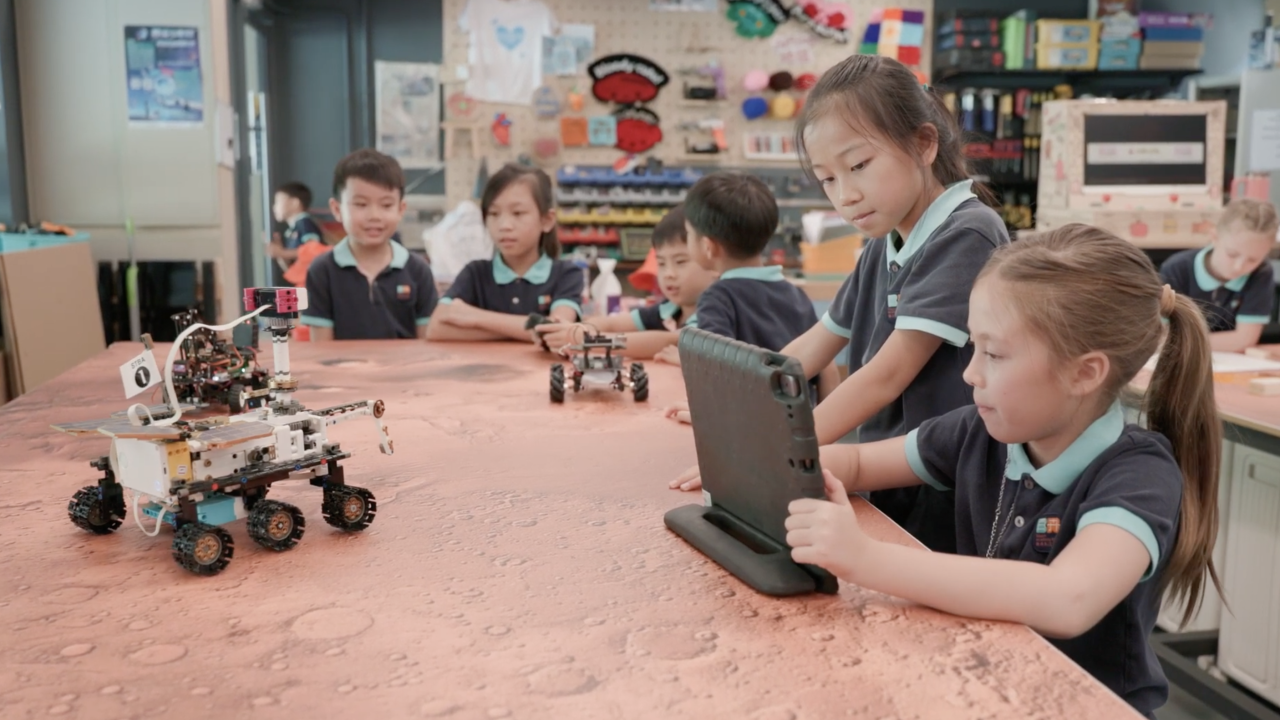
To that end, the school combines standard curriculum subjects with units of project-based learning at both primary and secondary levels to encourage ideas, experimentation and an interdisciplinary approach.
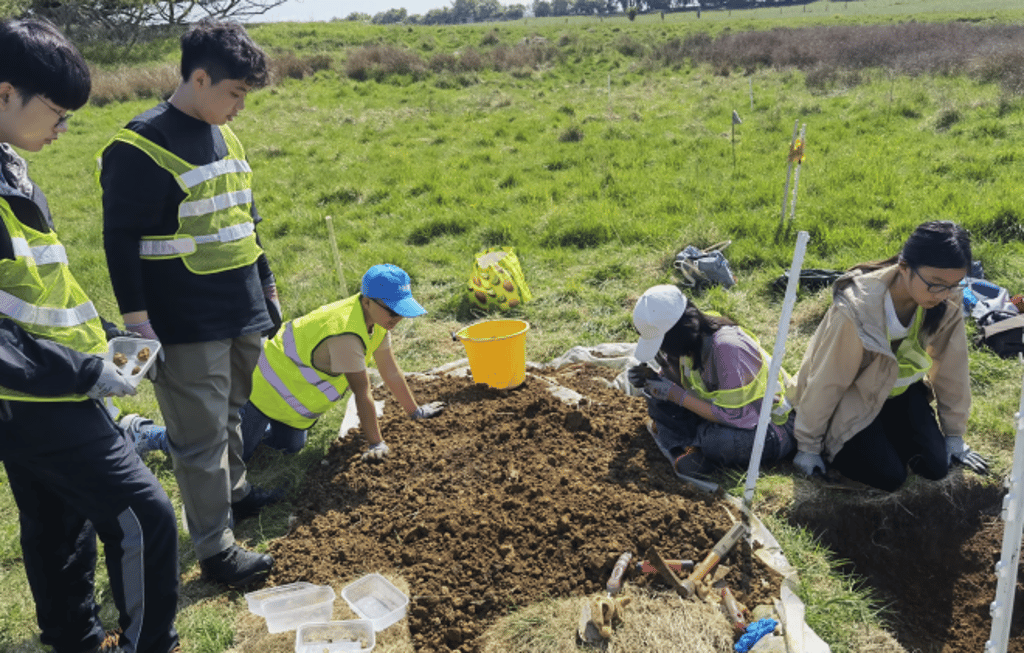
It also makes a point of giving pupils real-world experience outside the classroom, whether through sustainability investigations, industry visits and community-based projects in Hong Kong, or through immersive programmes such as archaeological fieldwork in England and project-based learning at Tian Zhen Yuan in China, where students engage in interdisciplinary studies that combine culture, wellbeing, science and environmental learning.
“Everything we are doing began with a question: what if we designed a school for the world children would grow up in, not the one we already know?” says Boey, who has more than 20 years’ diverse experience as an educator and teacher. “Our education model is based on the concept of ‘care, think, act’ and the holistic development of students, which includes well-being, a positive mindset, the right values, and engagement with the community.”
The school opened in 2021 with bilingual primary classes, providing learning experiences in both English and Putonghua, which now run from Grades 1 to 6. A secondary section, Smart Too Bloom Academy, followed in 2024 and an extra grade is being added each year as the original joiners move up to more senior levels.
Lower secondary students follow the Key Stage 3 (UK) curriculum with the full range of subjects from languages and humanities to mathematics, science and computer science, but there are then options to continue to International A-Levels, take the local DSE curriculum in Putonghua, or follow a US-accredited pathway. The school emphasises that project-based learning complements rather than replaces academic rigour, with students building strong foundations in languages, mathematics, science and the humanities.
During a typical school day, mornings are for core subjects, with afternoons then dedicated to co-curricular project-based assignments with an emphasis on STEM themes, investigating problems, and becoming familiar with AI.
“The projects all involve learning by doing and real-life experiences,” Boey says. “Students don’t just create something by the end of a unit, but also have to show a deeper understanding by explaining what they learned and how it can be applied beyond the classroom.”
Outside experts are invited in to offer advice and suggestions, and Fridays are often reserved for field-based learning experiences, perhaps at a sustainable farm, a game design studio, a social enterprise, or local business connected to students’ project work.
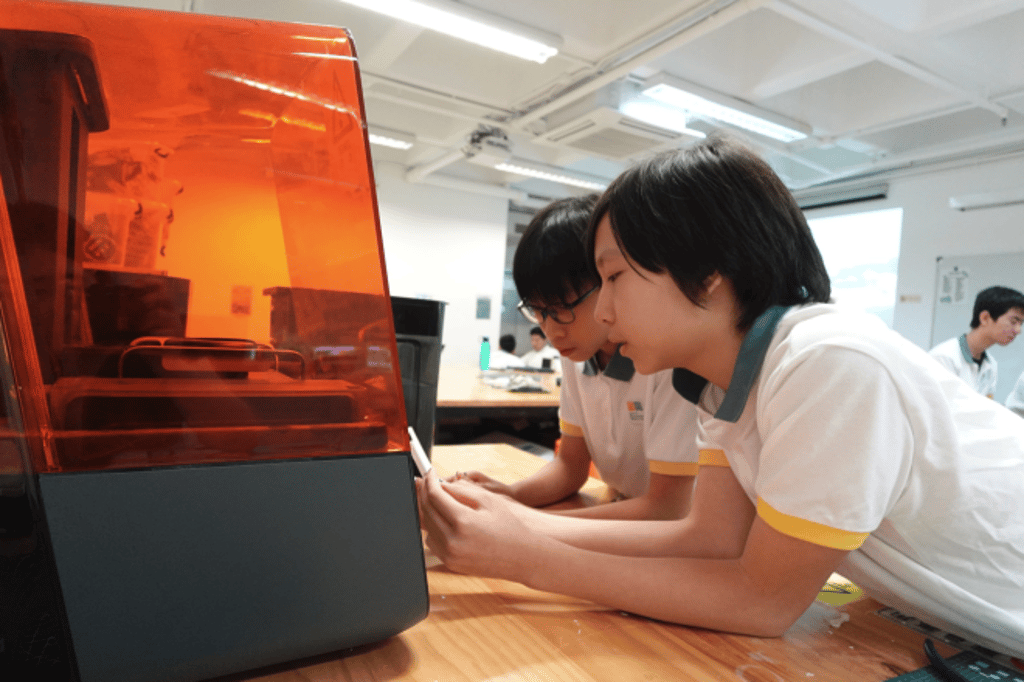
To back that up, the school has its own science labs and makerspace workshop to encourage children to keep trying new things and to feel no constraints when doing so.
“The aim is to open doors, not close them, by helping young people notice what matters and want to do something about it,” says Boey, adding that the school currently has a total of around 330 students and room to grow. “We are now in the fourth year of our project-based programme and are confident in both its impact on students and our ability to deliver it effectively."
As a sign of that, an upcoming trip is being organised for senior pupils to Malaysia and Singapore, with a focus on the commercial practicalities of game design, as well as sustainability initiatives.
Those who join the China study tour will have the chance to learn more about everything from Taoism, calligraphy and Chinese literature to agriculture, biodiversity and traditional Chinese medicine.
“There will be a lot packed into each trip and a lot for students to unpack afterwards,” Boey says. “We trust our teachers to develop follow-on programmes which will build on the main themes and weave them into other elements of the curriculum. This gets the juices flowing and helps to inspire the next generation.”
Recognising that the world of work will look substantially different even a few years from now as AI, robotics and nanotechnologies reshape industries and professions, the school is preparing students to solve problems and make decisions, rather than see the future in terms of specific jobs.
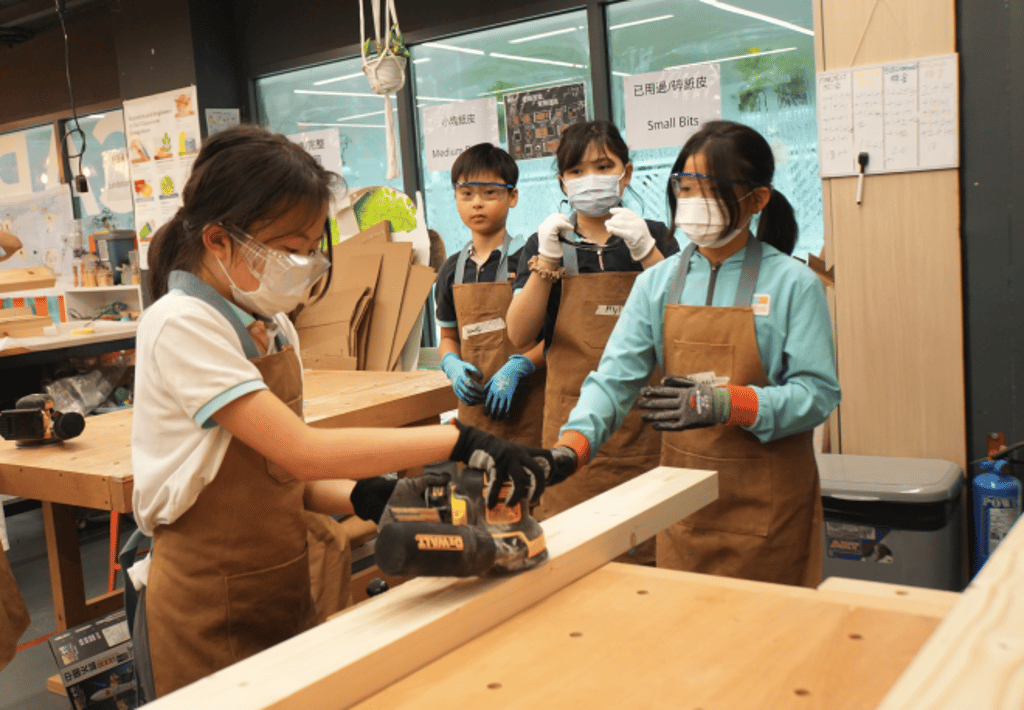
“Knowledge, though, remains essential; you can’t think critically about something you don’t understand,” Boey says. “Therefore, we are cultivating the qualities we think will be most important – intellectual curiosity, sound judgement, courage to take the initiative, and the ability to adapt.
“Looking ahead, the world will need the type of people who can also show empathy and compassion and are comfortable dealing with uncertainty.”
Two examples of secondary entrepreneurship education:
Sustainable fashion
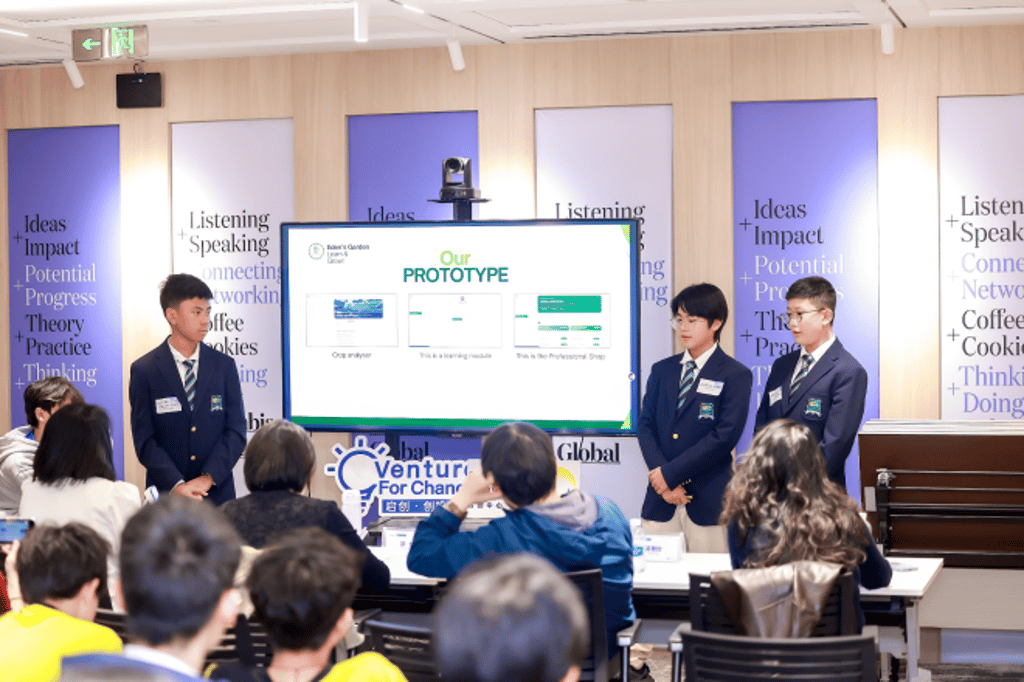
- Bloom students integrate digital tools and foundational design principles into their creative projects. From research and field visits to business pitches and direct engagement with buyers, they conclude by running a Sales day event to introduce their T-shirt designed with sustainable fashion embedded at a local fashion chain, ‘Determinant’.
Food innovation
- The CEO of Gingko House, Mr. Kenneth Choi, joined Bloom students for a dialogue during their field visit, inspiring them to link their classroom learning of the “Triple P” model (Profit, People, Planet) directly to real-world business practice. Combined with a baking workshop led by Gingko House’s elderly staff, this experience was a prelude to Bloom students’ design of their own enterprise proposals for the elderly community.
KioskNews shows a cleaned-up reading view extracted from the publisher’s page — the original always lives on their site, not ours.