With El Niño, 2026-2027 northeast monsoon may not be as cold
Already have Rappler+?
to listen to groundbreaking journalism.
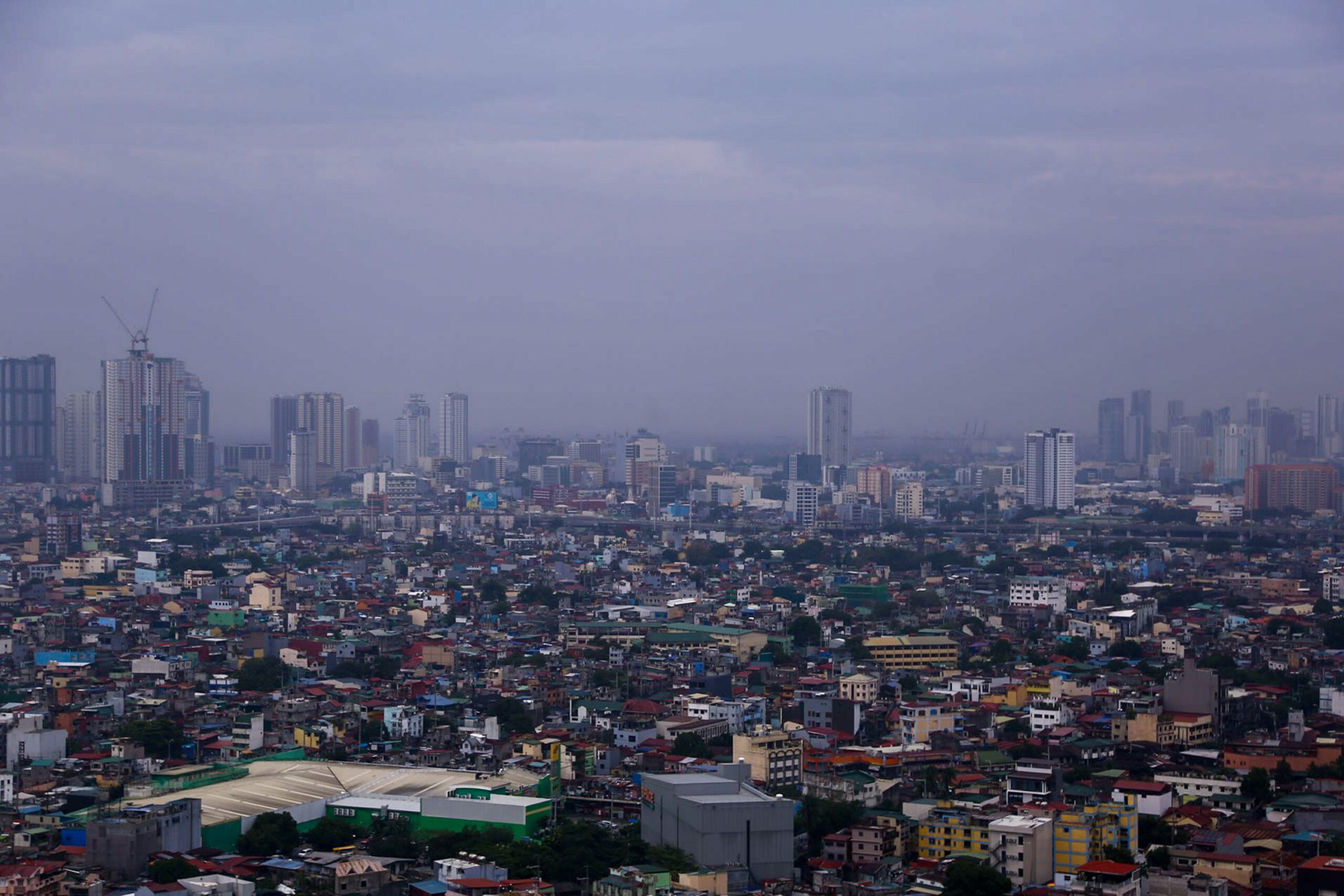
HAZY SKIES. The Makati City skyline on August 24, 2026.
Rappler
The intensifying El Niño is expected to lead to less pronounced cold surges during the period of the northeast monsoon
MANILA, Philippines – The northeast monsoon or amihan is here, the weather bureau announced on Tuesday, October 27.
The Philippine Atmospheric, Geophysical, and Astronomical Services Administration (PAGASA) explained in a statement that it has observed “a surge of northeasterly winds and lower air temperatures over extreme Northern Luzon” in the past few days.
The period of the northeast monsoon, also known as the country’s cool and dry season, lasts from October until February or March. It typically brings surges of cold temperatures, especially in January and February.
But PAGASA has said that this amihan may be warmer than usual due to the ongoing El Niño, which is predicted to become very strong before the end of 2026 and persist until the first quarter of 2027.
El Niño is a natural phenomenon characterized by “unusually warm ocean surface temperatures in the central and eastern Pacific,” according to the World Meteorological Organization.
In the Philippines, the phenomenon causes below-normal rainfall and higher temperatures. Forecasts show nearly the entire country will be experiencing drought by the end of February 2027.
The onset of the northeast monsoon also comes around three weeks after PAGASA announced the end of the southwest monsoon or habagat. – Rappler.com
KioskNews shows a cleaned-up reading view extracted from the publisher’s page — the original always lives on their site, not ours.