Malaysia budget: healthcare boost, Malay businesses to get more public projects
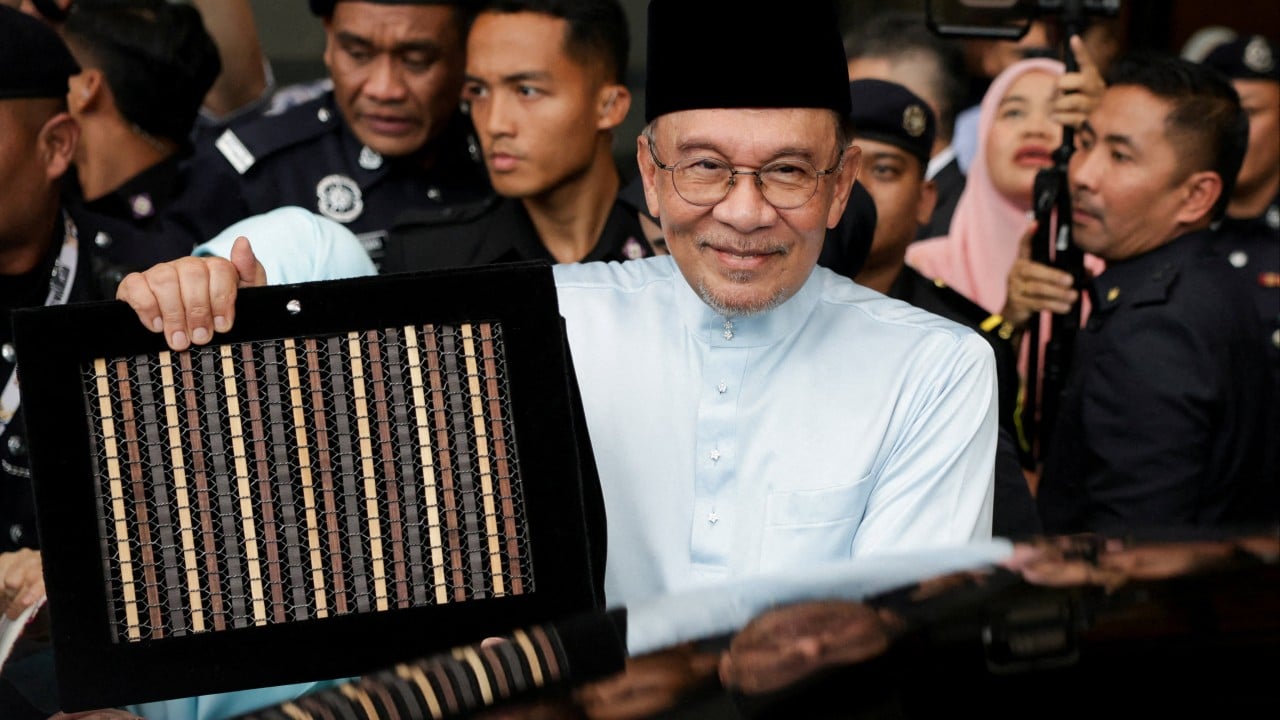
Malaysia’s government will boost spending on social welfare while maintaining subsidies to rein in the cost of living under its 2027 Budget unveiled on Friday, as Prime Minister Anwar Ibrahim seeks to shore up public support while under pressure to call for an early general election.
Anwar’s Pakatan Harapan (PH) has suffered bruising defeats in a series of state elections since December, as voters expressed disapproval of his administration’s failure to deliver on promises of reforms, which had helped the ruling coalition to secure the largest share of parliamentary seats in the 2022 polls. Malaysia’s next general election is due by February 2028.
He faces the prospect of presenting possibly the last budget of his term, as his federal partner but state electoral rival Umno demands immediate snap polls, emboldened by its decisive victories over PH in the recent Johor and Negeri Sembilan elections.
Anwar, who is also finance minister, presented a 459.8 billion ringgit (US$112.5 billion) budget, with about a third allocated to the social sector, encompassing education, healthcare and public services.
The sector will receive an allocation of 161.6 billion ringgit for next year to fund everything from training and human capital development to bolstering accessibility to public services such as transport and healthcare.
In an uncharacteristically blunt assessment of its own performance, the government said in its 2027 Economic Outlook Report that it had fallen short of delivering on promises to keep prices low, narrow the wage gap and improve healthcare access.
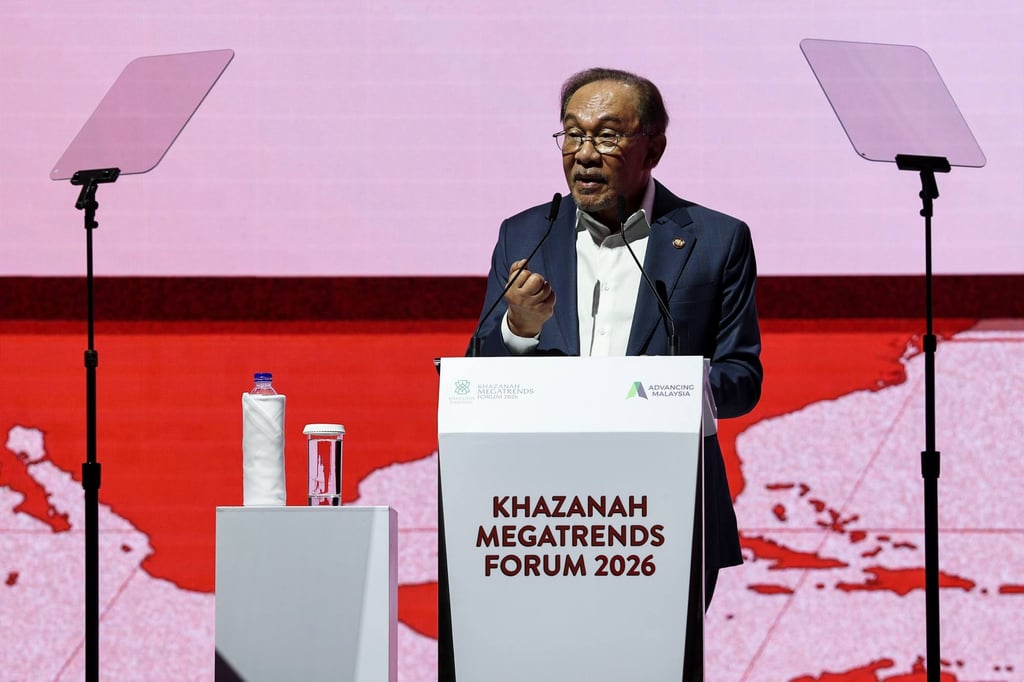
The report, released ahead of Friday’s budget, cited limited welfare coverage for self-employed and informal workers, fragmented delivery of targeted cash aid, substandard student performance, a chronic shortage of specialist doctors and escalating medical costs.
“Despite significant progress, Malaysia’s social protection landscape continues to face challenges in providing adequate and comprehensive protection across different forms of employment and household circumstances amid the rising cost of living,” the report said.
To address these shortcomings, the government said it would focus on improving the quality and access to public transport, digital infrastructure, healthcare and education facilities to enhance mobility for workers and families, especially in the country’s rural and interior regions, where average incomes typically lag far behind those in urban areas.
Malaysia’s capital city of Kuala Lumpur recorded a per capita income of 144,827 ringgit in 2025, according to the latest available data from the statistics department, nearly triple the national level of 59,186 ringgit. In comparison, the per capita income in the state of Sabah in Malaysian Borneo, which is dominated by rural towns and villages, was 31,167 ringgit last year.
Under its development expenditure, Malaysia will allocate 83 billion ringgit for 2027, with the lion’s share going to education, health and defence, including for the procurement of new aircraft and patrol vessels.
The government will also continue to spend a sizeable amount on subsidies, estimated to cost 72.7 billion ringgit in 2027.
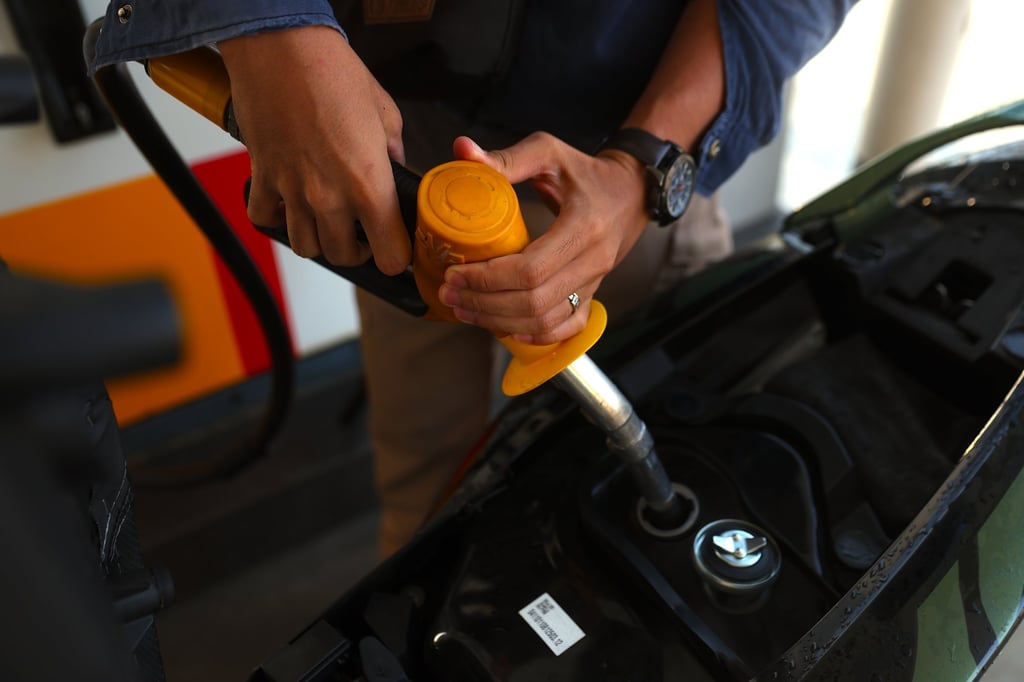
The figure is lower than this year’s allocation, which the government estimates would likely have surged by almost 35 per cent to 74.5 billion ringgit as it seeks to help the public cope with high fuel prices due to the global energy crisis triggered by the US-Israel war on Iran.
The crisis forced Anwar’s administration to raise its 2026 spending estimates by nearly six per cent to 444.1 billion ringgit and revise its deficit target to 3.6 per cent of gross domestic product from 3.5 per cent previously.
The government, however, said it was on track to narrow the country’s deficit to 3.3 per cent next year through more efficient subsidy mechanisms.
Inflation is expected to range between 1.8 and 2.8 per cent in 2027, likely tracking higher in the first half of the year due to carry-over effects from higher energy, food and other input costs before easing as the year progresses.
The economy is forecast to grow by 4.8-5.3 per cent this year before moderating slightly to 4.2-5.2 per cent in 2027, buoyed by resilient domestic demand and sustained global demand for Malaysia’s semiconductors and AI-related products.
KioskNews shows a cleaned-up reading view extracted from the publisher’s page — the original always lives on their site, not ours.