SC mandates minimum standards for establishing, operating ICUs nationwide
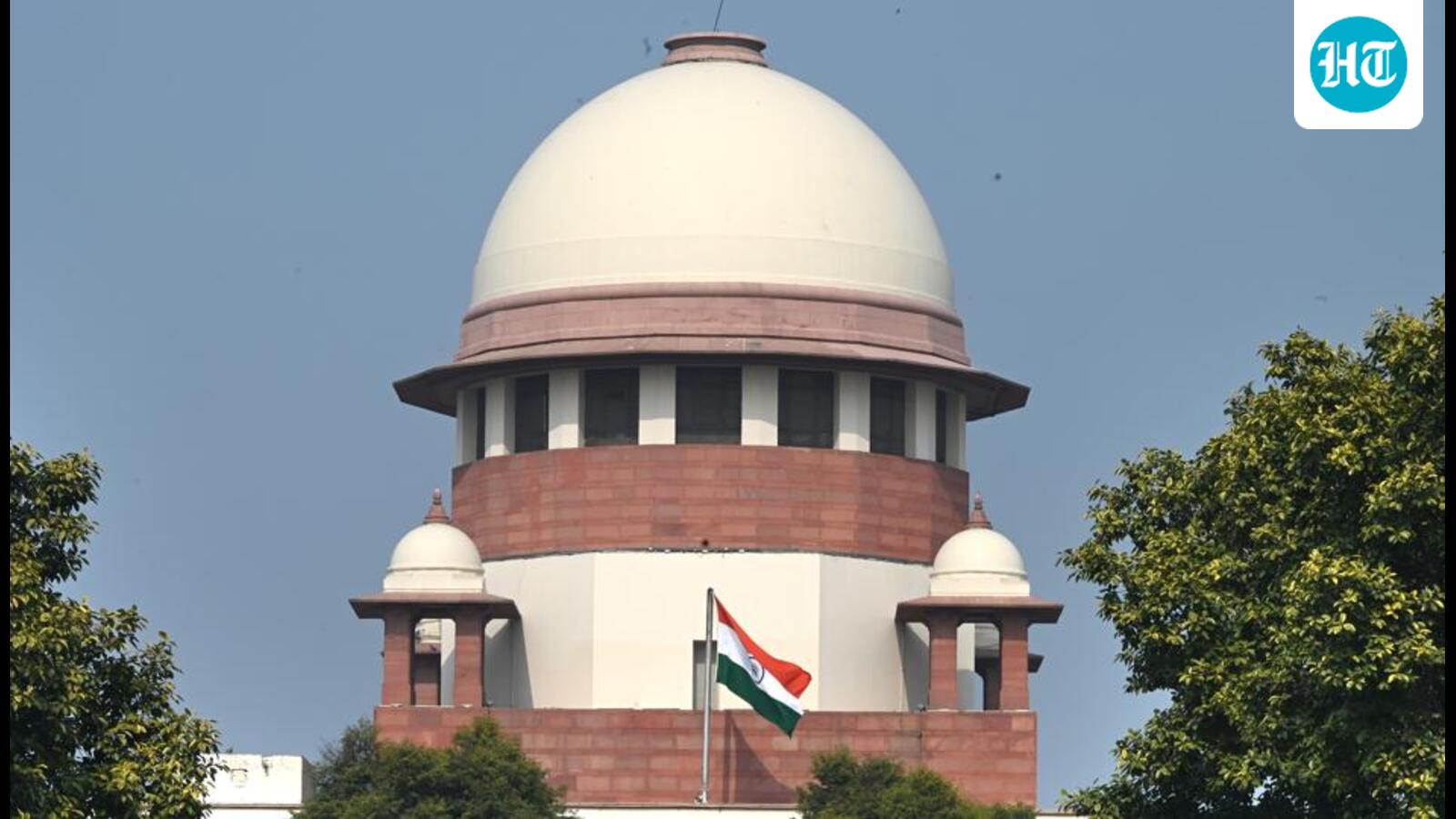
The Supreme Court has mandated minimum standards for establishing and operating intensive care units (ICUs) nationwide. It directed states and union territories to implement guidelines, framed by a committee comprising eminent doctors, within a time frame extending up to nine months.
The guidelines, which were placed before the court by the Union health ministry, prescribe minimum standards on infrastructure, equipment and personnel for a basic ICU (Level 1) followed by specialised services forming the Level 2 and Level 3 in multi-specialty hospitals and institutions of excellence.
A bench of Justices Ahsanuddin Amanullah and R Mahadevan on Monday made the guidelines applicable to all public and private hospitals.
The guidelines prescribe a minimum timeline of three months for providing emergency equipment (ventilators, defibrillators, ECG machines), bedside utilities (monitors, oxygen supply, electrical outlets, IV pumps, etc), besides lab services and imaging facilities (X-ray, ultrasound) in proximity to the ICU.
The guidelines require health care personnel, comprising ICU specialists, trained doctors, nurses, and allied health professionals, if not available, to be recruited within six months. It lays down that a Level 1 ICU should preferably be under the care of a specialist with a National Medical Council recognised postgraduate degree (MD or DNB) in anesthesiology, medicine, pulmonary medicine, paediatrics, or emergency medicine. If such a person is not available, a physician dealing with emergency medicine or a general surgeon could be in charge of a Level 1 ICU.
The committee proposed a higher nurse-to-patient ratio, which is 1:2 to 1:3 for monitored patients depending upon the medical acuity, extending to 1:1 in case of a patient on a ventilator.
For setting up the ICU location and nursing station close to the operation theatre, the committee prescribed a minimum of 12 months considering the longer duration required for arranging infrastructure and logistics.
The court reduced the time frame to nine months and directed states and union territories to submit status reports of compliance by November 5.
The court asked additional solicitor general Aishwarya Bhati, amicus curiae advocate Karan Bharihoke, and Dr Nitish Nayak, who was part of the committee along with other doctors, to examine the compliance reports and give their comments to the court.
Some states informed the court that setting up Level 1 ICUs across hospitals in remote and hilly areas will require time. The bench said it will consider granting an extension of time in such special cases provided they offer a further realistic timeline for compliance with the court’s orders. The court cautioned the states to be realistic as it would not grant time more than what is required.
The court directed that the three-month, six-month, and nine-month time frames be strictly followed. “Any laxity on part of the hospitals may result in the court taking a strict view against the defaulting party.”
KioskNews shows a cleaned-up reading view extracted from the publisher’s page — the original always lives on their site, not ours.