Huawei accused of stealing robot tech to get hands on T-Mobile’s trade secrets
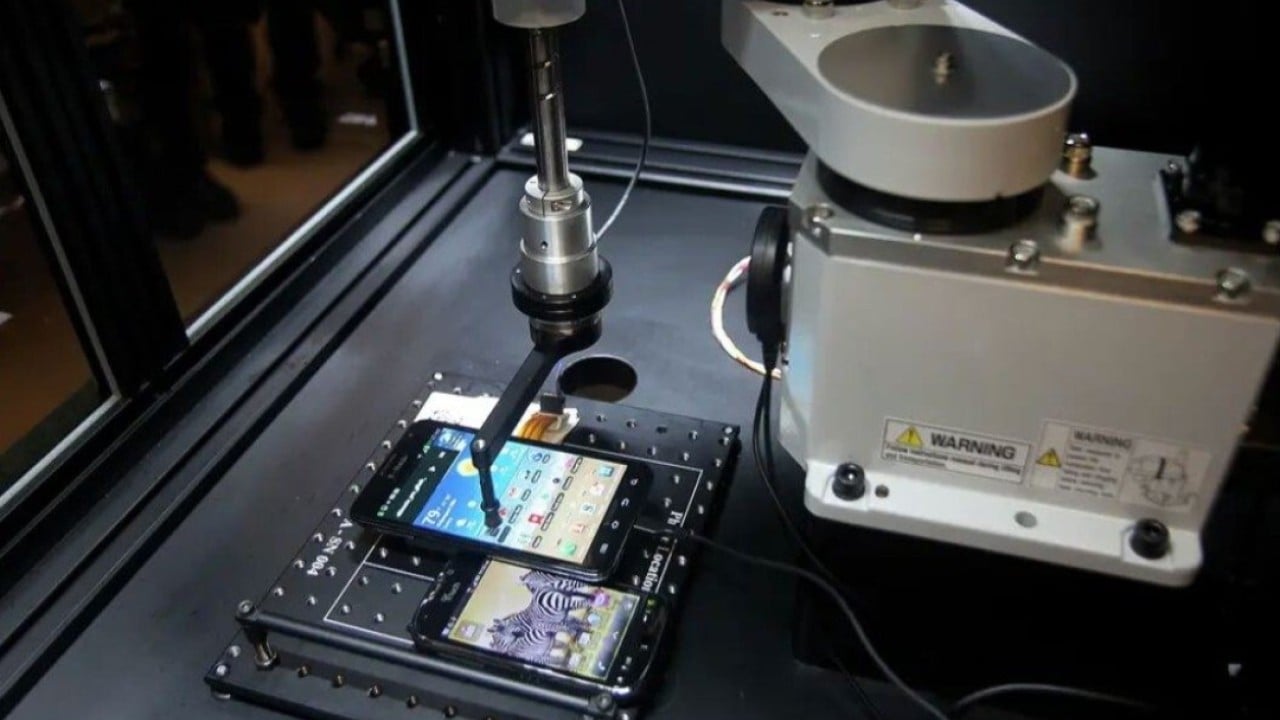
The criminal trial of Huawei Technologies on racketeering charges shifted this week into a slower, more laborious pace in what is expected to be a weeks-long trial as the US Government sought to establish on Wednesday that Huawei was intent on learning about a proprietary robot developed by US telecommunications carrier T-Mobile.
Matthew Skurnik, assistant US attorney for the Eastern District of New York, spent hours running FBI Special Agent James Diclemis through a series of emails that appeared to show keen interest by US and China-based Huawei officials in the technical specifications of the robot, dubbed Tappy.
Developed in 2006 at the company’s State of Washington engineering lab, Tappy was used to automate quality-assurance testing on smartphones before they were approved for sale.
The main advantage of the then-innovative technology was that its mechanical robotic arm and rubberised tip allowed it to replicate a human’s tapping, swiping and typing on smartphone touchscreens.
KioskNews shows a cleaned-up reading view extracted from the publisher’s page — the original always lives on their site, not ours.