Govt allows use and sale of mining debris, rejects; tweaks green clearance rules
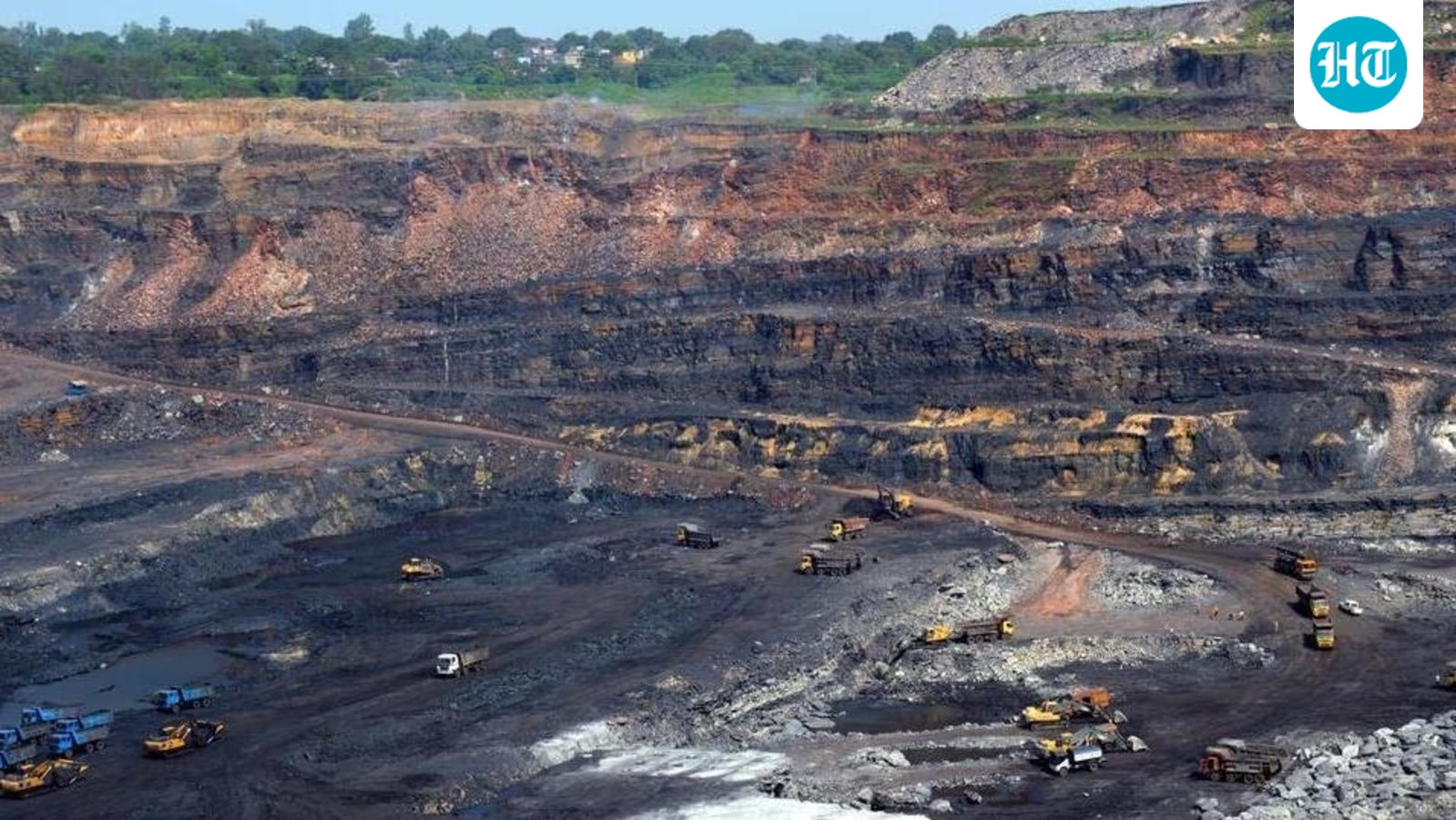
The Union environment ministry has streamlined the procedure for mining companies to utilise or sell “overburden” and “rejects” — earth, soil, rock and debris — generated from mining projects, along with sub-grade minerals.
Through two separate office memorandums dated September 18, the ministry allowed companies to seek an amendment to their existing environmental clearance (EC), instead of applying for a fresh clearance, subject to certain conditions.
The move follows requests from the ministry of mines dated July 31, 2025 and March 27, 2026, seeking permission for disposal or sale of overburden and rejects generated during ongoing mining operations, as well as legacy material. It had also sought guidelines for disposal or sale of sub-grade minerals generated during current operations and legacy stocks within lease areas.
The matter was examined by the Expert Appraisal Committee (Non-Coal Mining Sector) at meetings in April, June and July. The committee said utilisation of such material would facilitate “scientific mine management, optimum mineral resource utilisation and reduction of environmental concerns” caused by its accumulation.
However, the ministry flagged environmental risks from handling legacy waste. Re-handling old overburden or rejects could result in fugitive dust emissions and wastewater generation, requiring suitable updates to the Environmental Management Plan (EMP).
For overburden and rejects generated during ongoing mining, utilisation within the existing EC capacity will be allowed through an EC amendment. Companies must submit an approved or modified mining plan, including a revised mine closure plan, accounting for the quantity proposed for utilisation. Prior permission from the state government, based on approval by the Indian Bureau of Mines, will also be required.
For sub-grade minerals generated during ongoing mining, utilisation must be included in the approved mining plan and involve the same mineral for which the EC was granted. Legacy sub-grade minerals stocked within the lease area may also be utilised through an EC amendment.
Mining policy expert and former FIMI director general BK Bhatia said the move would free up space at mining sites and allow material to be used for roads and other works, while addressing pollution concerns. “This can essentially be used for utilisation in roads and even other ongoing works on-site. It will free up space on-site and help address environmental concerns too,” he said.
KioskNews shows a cleaned-up reading view extracted from the publisher’s page — the original always lives on their site, not ours.