Lack of heat action plan leaves Hong Kong’s vulnerable residents at risk, experts warn
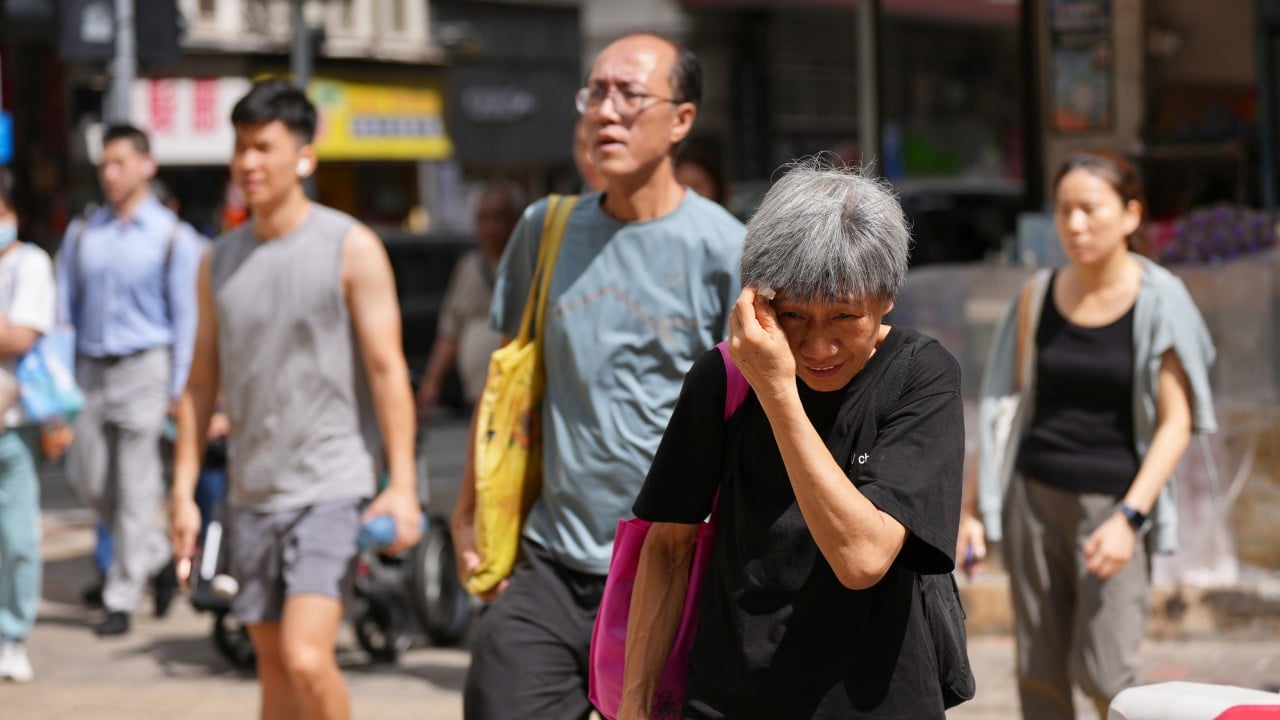
Environmentalists and academics have criticised the omission of a systemic heat-health action plan in Hong Kong’s first five-year plan and latest policy address, warning that relying on “common sense” is failing to protect vulnerable residents from rising temperatures.
Their comments came as new research from the University of Hong Kong (HKU) found that extreme heat may have contributed to as many as 3,238 excess deaths in the city over the past decade.
In response to the South China Morning Post’s queries about the lack of a cross-departmental heat action plan for vulnerable groups, a government spokesman said there were ongoing efforts to “elevate the response capabilities of the government and the community”.
Environmentalists noted that neither the five-year blueprint nor the annual policy address, both delivered by Chief Executive John Lee Ka-chiu in September, included a comprehensive plan for a systemic, overarching heat-health action plan to address urban heat. A new management system known as the “city brain”, which aims to improve interdepartmental collaboration during extreme weather, was proposed in the policy address.
02:34
Hong Kong labour group calls for warning system review after record-breaking heat
The World Health Organization outlines eight core elements for heat-health action plans, including governance, early-warning systems, surveillance and outreach.
Greenpeace Hong Kong campaigner Prudence Yeung said: “Through high-level political commitment, such as including a heat action plan in the policy address or the five-year plan, [the government] could ensure heat adaptation and resilience as a citywide priority, and provide a foundation for investment in heat resilience infrastructure, research and public awareness.”
In a study currently under peer review, Professor David Bishai, director of the school of public health at HKU, and other researchers revised figures from research in 2024, estimating that heatwaves in Hong Kong between 2014 and 2023 may have contributed between 1,455 and 3,238 excess deaths. The earlier estimate was 1,677 excess deaths.
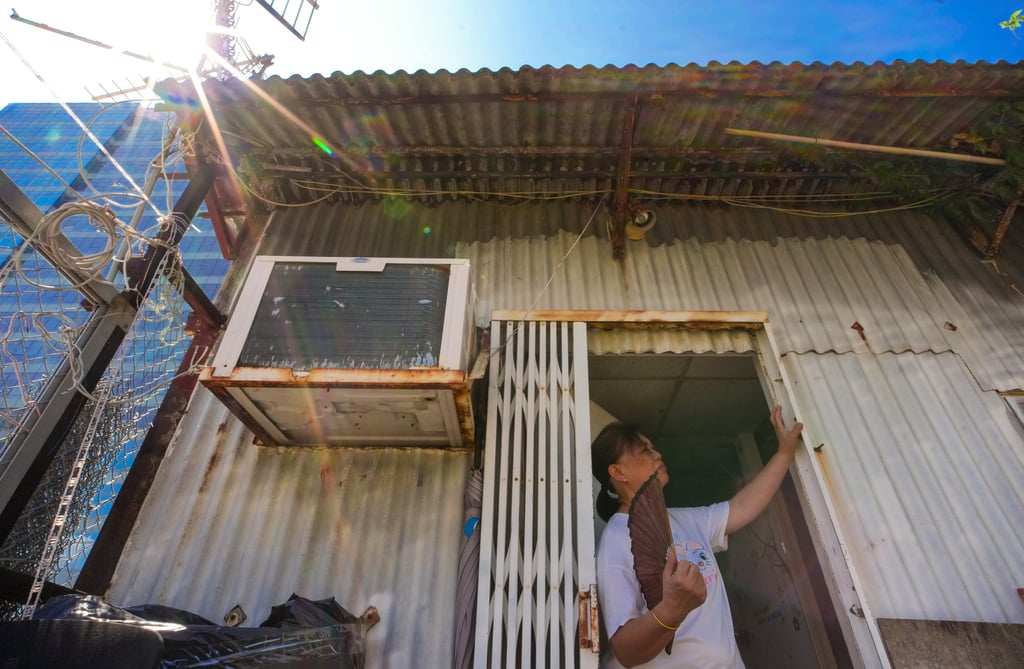
Bishai’s projection was based on demographic data from the Census and Statistics Department, temperature data from the Hong Kong Observatory and relative risks derived from local research. A simulation was used to estimate heat-attributable deaths under different definitions of a heatwave.
These preventable excess deaths had largely gone unrecognised as they were preventable exacerbations of underlying illnesses, rather than heatstroke, which was rare, Bishai said.
“Enacting an action plan in the face of extreme heat can be helpful in reducing death rates … We know that just leaving it to common sense is not working, because we are still seeing these excess deaths during heatwaves,” he said.
“It’s like running a marathon. The heart rate goes up, the blood vessels dilate, blood is shunted away from the brain into the hands and feet so that you can sweat more. And it is a very bad stress test that people’s bodies fail at those ages with those pre-existing conditions.”
Bishai cited Paris, where a heat action plan featuring proactive welfare checks on the elderly was projected to have cut heat-related mortality by around 77 per cent following heatwaves in 2003.
Hong Kong’s heat measures are activated when the Observatory issues a “very hot weather” warning, triggering the opening of temporary shelters in community halls. According to government figures, the 19 shelters that operated overnight on very hot evenings served between 120 and 210 users a day in June and July.
The Labour Department issues heat-stress alerts for outdoor workers – recently revamped following criticism – while the Department of Health provides public health advisories.
Ren Chao, an HKU professor who specialises in climate-responsive design, pointed to a gap between heat warnings and government-led community relief. She called for government intervention through more heat shelters and public health education, as well as ventilation and electricity bill subsidies.
Heat-risk mapping was also crucial to visualise areas experiencing hot days and nights, which varied across districts, and served as a powerful tool for communicating heat risks to the public, she said.
Ren said the government could consider adopting a coordination framework similar to that of its existing typhoon response panel to develop a heat action plan.
The Home Affairs Department said in a reply to the SCMP that care teams would remind households in need of measures to stay cool during hot weather, but it did not provide information on the number of visits carried out on hot days.
A Development Bureau spokeswoman said the government was committed to enhancing urban forestry resilience and integrating greening into public works and new developments, to “build a more sustainable, climate-resilient and liveable Hong Kong”.
The Observatory had been closely providing meteorological data and meteorological advice to help government departments formulate appropriate responses to heat, a spokeswoman said.
KioskNews shows a cleaned-up reading view extracted from the publisher’s page — the original always lives on their site, not ours.