Middle powers don’t have to wait for a Trump-Xi-Putin summit
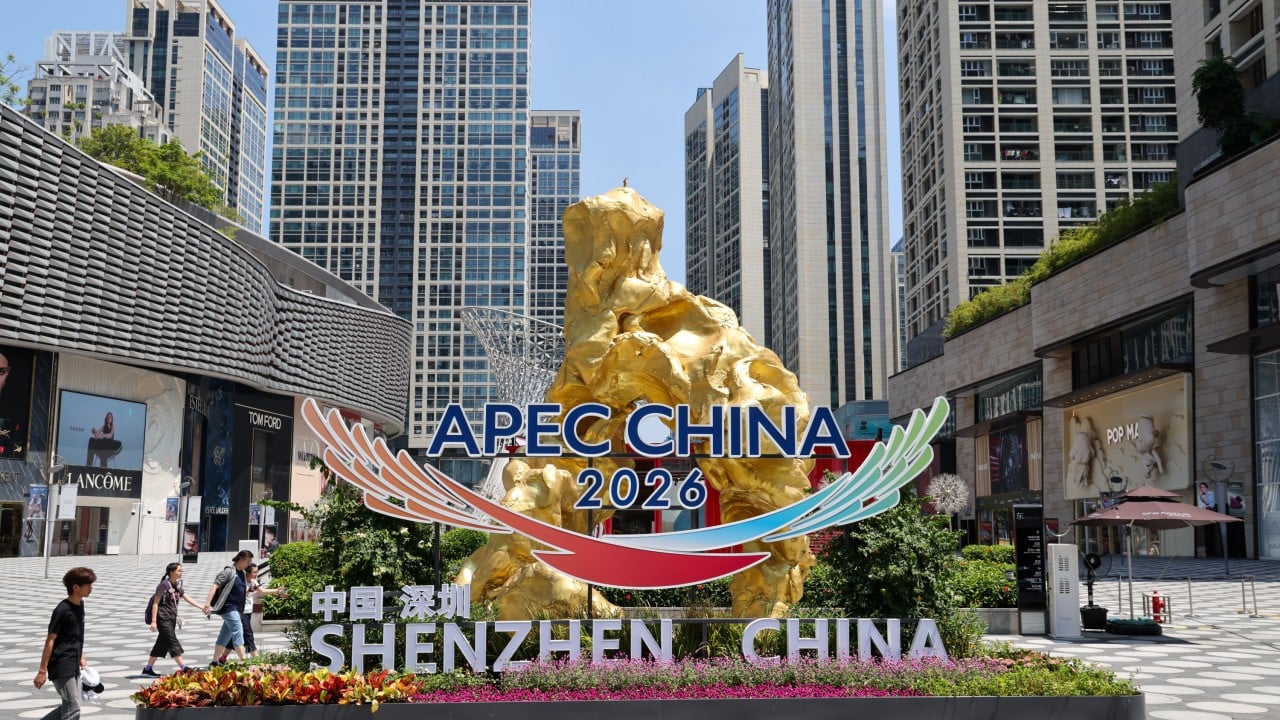
The prospect of United States, Chinese and Russian leaders meeting at the Asia-Pacific Economic Cooperation (Apec) summit in Shenzhen this November has revived the Yalta analogy. Talk of a Trump-Xi-Putin summit – echoing the 1945 meeting that reshaped the world – surfaced during the first Trump term, and speculation returned last year with the 80th anniversary of the second world war.
No such meeting occurred. However, Chinese President Xi Jinping hosted the two presidents back-to-back in Beijing this May, and Moscow now says a three-way meeting in Shenzhen is possible. The symbolism would be potent: the three leaders around one table as the international order fragments. It would also evoke an enduring instinct – the belief that disorder is ultimately managed by a handful of great powers.
A literal 21st century Yalta remains improbable. Yet its underlying logic is increasingly visible as trade, technology, finance, infrastructure and development are organised through great-power bargains and rivalries.
KioskNews shows a cleaned-up reading view extracted from the publisher’s page — the original always lives on their site, not ours.