Marcos raises corn import quota to 500,000 MT
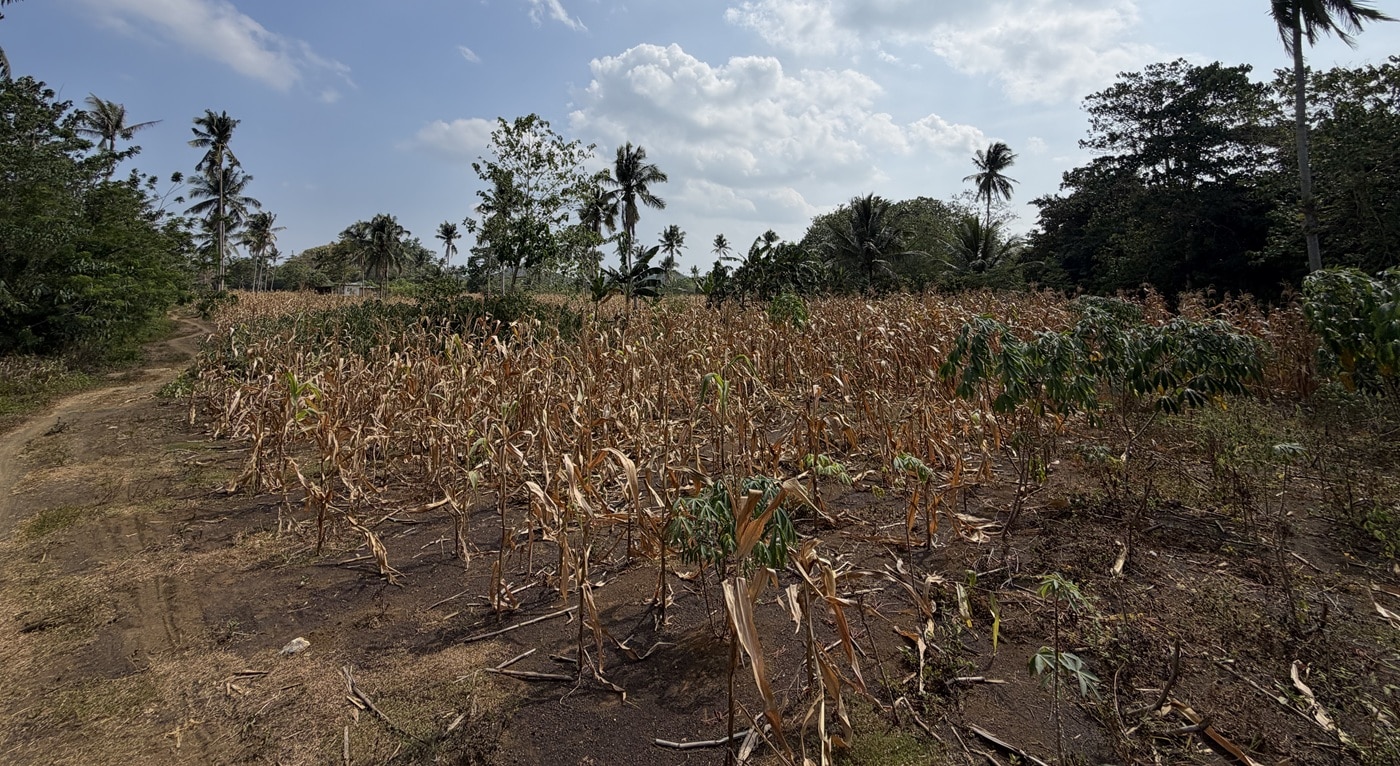

MANILA, Philippines — President Ferdinand Marcos Jr. has issued Executive Order No. 129, increasing the Minimum Access Volume (MAV) for corn this year from 220,000 metric tons (MT) to 500,000 MT.
Executive Secretary Ralph Recto signed the order by authority of Marcos on Oct. 26, Monday, and made it public on Tuesday.
READ: Lower rice, corn harvests expected in Q3
Article continues after this advertisement
According to the EO, the MAV Management Committee was directed to formulate and issue implementing guidelines within 30 days from the order’s effectivity.
FEATURED STORIES
NEWSINFO
NEWSINFO
NEWSINFO
The EO increases the volume of corn that may be imported at a lower tariff by 280,000 MT to help address domestic supply shortages.
“The guidelines shall provide for the equitable and transparent allocation and distribution of the additional 280,000 MT MAV volume and ensure that the additional importation is implemented as a calibrated, transparent, and time-bound measure to augment domestic corn supply, stabilize feed prices, and address the feed supply requirements of the livestock, poultry, and feed milling industries, consistent with the objectives of the MAV Plus Mechanism and the promotion of consumer welfare,” it read.
The Department of Agriculture projected a yellow corn supply deficit of approximately 1.422 million MT from March to December 2026, triggered by domestic production constraints and rising production costs.
A corn shortage can increase feed costs and raise production expenses for livestock and poultry raisers.
Article continues after this advertisement
The increased corn supply is intended to protect local corn farmers through calibrated, time-bound imports that augment domestic supply without prejudicing or displacing local producers.
It will also improve corn availability, help stabilize feed prices, and manage production costs. /mcm
KioskNews shows a cleaned-up reading view extracted from the publisher’s page — the original always lives on their site, not ours.