[DECODED] What a fake Duterte tells us about our bigger AI problem

Disinformation spreads rapidly because it’s becoming easier and cheaper to create fakes, while the systems behind them are outpacing the safeguards meant to mitigate the risks
AT A GLANCE
- Lance Duterte is a synthetic online persona claiming to be related to former president Rodrigo Duterte, gaining significant social media attention despite being a creation of AI.
- The persona has evolved over the years, with recent posts utilizing videos to enhance believability, highlighting the growing ease of creating fake identities online.
- Concerns about the unchecked development of AI and its potential dangers have been raised by researchers and former employees in the field, emphasizing the need for safety standards similar to those in other industries.
This is AI-generated. Read the article for full context. Report any errors.
Have you ever heard of a “Lance Duterte”? He’s a Facebook persona claiming to be a grandson of former president Rodrigo Duterte and the son of Vice President Sara Duterte.
Like his supposed family members, Lance has attracted a huge following on social media. He has over 382,000 followers on Facebook, and his posts rack up thousands of engagements each — many of which come from fans and supporters who gush over his conventionally attractive features. Some even tout him as a future celebrity or politician.
But as our researcher Alex Culla found out, Lance is not real. He’s a synthetic online persona made from AI.
READ: [DECODED] No, this ‘handsome’ Duterte grandson is not real
When Alex pitched the story, I thought the name sounded familiar. Then I remembered: six years ago, I wrote a fact-check article about a Facebook account with the name “Lance Kurt Dong Duterte.” He falsely claimed that Tricia, daughter of former vice president Leni Robredo, sent a hate message to him via private message.
But this happened back in 2020, before consumer AI chatbots like ChatGPT became publicly accessible. And as Alex pointed out in her Decoded piece, the profile picture of the 2020 version of this persona looked different from the one currently active today.
So the persona has been around for years, but its posts today now include videos to make the lie appear more believable, thanks to the accessibility of AI.
Lance isn’t the first AI piece built around the Duterte name. Back in 2025, we also reported on how AI-generated images of Duterte statues were being shared by Facebook pages known for glorifying the Dutertes. These fakes were created a few months after the former president was arrested over a warrant issued by the International Criminal Court.
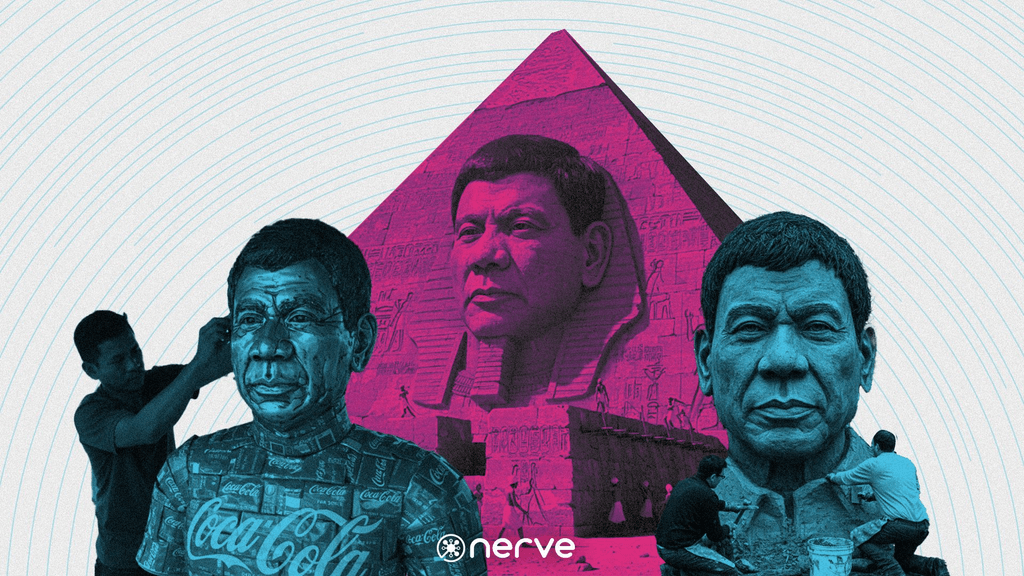
READ: [DECODED] What makes AI-generated Duterte statues so popular online?
These things happen because it’s becoming easier and cheaper to create fakes, while the systems behind them are outpacing the safeguards meant to mitigate the risks.
Over the past week alone, news reports have quoted different AI researchers, employees, and former staff on the lack of safety culture in AI companies.
From OpenAI to Google DeepMind, current and former employees have expressed concerns about the risks of self-improving AI systems and warned that companies are doing too little to protect the world against AI’s potential dangers.
Another former OpenAI safety employee said that “the time for trial and error is over,” because AI capabilities have far outpaced the systems’ ability to act in ways that match human goals and values. He even argued that advanced AI systems should have safeguards in place comparable to those used in the nuclear power and aviation industries.
Even Anthropic, the company behind Claude, warned its potential IPO investors that AI could exhibit “self-preserving behaviors.” The company said in its IPO prospectus: “Our development of highly advanced models, platforms, and applications and expansion of use cases could further increase the risk that our models cause harm.”
These warning bells echo concerns that advocates have long raised about social media. Cambridge Analytica whistleblower Chris Wylie once said that digital products should have moral standards and safety testing like those imposed on consumer goods. “We do not allow any other consumer product to just be released without any kind of safety standards,” Wylie said in a Rappler+ briefing back in 2023.
Three years later, we’re still grappling with the same concerns, now made worse by the unchecked development of AI.
READ: We need an alternative to big tech platforms: Introducing MUNI
Which is why Rappler built MUNI, a platform where facts and trusted voices can thrive. It’s a community space for verified information, where you can read news, chat with reporters, and talk with like-minded individuals who share your interests.
MUNI is not limited to Rappler. You can also find other newsgroups there, including Daily Guardian in Iloilo and SunStar in Cebu, so you can also join their chat rooms and take part in their discussions.
You can explore MUNI by downloading the Rappler app for free from the App Store or Play Store. MUNI is a tab on the Rappler app where you can join as many chat rooms as you want.
I encourage you to join the #EverydayTech channel on MUNI, where Rappler’s tech reporters host casual discussions about tech issues that matter every weekday at 10 am and 4 pm. We’d love for you to join the conversations! – Rappler.com
KioskNews shows a cleaned-up reading view extracted from the publisher’s page — the original always lives on their site, not ours.