ENGLISH DIGEST 實用美語(空中美語)
From sacred seed to global superfood: the story of quinoa 不只是超級食物:藜麥背後的歷史與傳奇
At first glance, quinoa looks like just another grain on a supermarket shelf, but this tiny seed carries a history far richer than most people realize. Botanically, it belongs to the same family as spinach and beets. It is not a true grain at all, but a seed humans have relied on for thousands of years.
Quinoa originated in the Andes Mountains of South America—particularly in Peru, Bolivia and Chile—where it has been cultivated for over 5,000 years. For the Inca civilization, quinoa was far more than a food source. They called it chisaya mama, meaning “the mother of all grains,” and regarded it as a sacred crop. So central was quinoa to Inca culture that the emperor himself would sow the first seeds of the season as a ritual.
The arrival of Spanish explorers in the 16th century, however, dealt a devastating blow to this ancient tradition. Conquistador Francisco Pizarro, intent on erasing Inca culture, ordered quinoa fields to be destroyed and replaced with European crops such as wheat and barley. As a result, quinoa was pushed to the margins of mainstream agriculture, surviving only in remote mountain communities where Indigenous farmers quietly preserved the seeds.
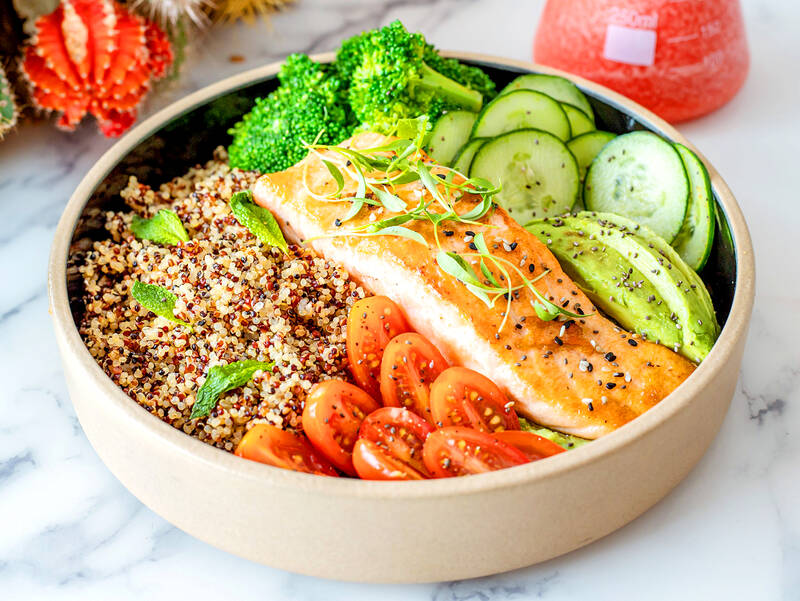
Photo: Freepik / 照片:Freepik
In recent decades, quinoa has gained recognition for its impressive nutritional profile. It is rich in protein, fiber, vitamins and minerals, and it is especially valued for containing all nine essential amino acids. This feature is relatively uncommon in plant-based foods and has contributed to quinoa’s reputation as a highly nutritious choice. In addition, its gluten-free nature has made it particularly appealing to consumers with specific dietary concerns.
Today, quinoa is grown on nearly every continent and celebrated worldwide as a superfood. The reason why it has captured global attention is that it meets the demands of modern health-conscious consumers while honoring an ancient and enduring legacy.
乍看之下,藜麥只是超市貨架上另一種普通的穀物,但這顆小小的種子所承載的歷史遠比多數人想像的更加豐富。從植物學的角度看來,它與菠菜和甜菜屬於同一科。它完全不是真正的穀物,而是人類數千年來賴以維生的種子。
藜麥起源於南美洲的安地斯山脈——特別是在秘魯、玻利維亞和智利——在此已被栽種超過五千年。對印加文明而言,藜麥遠不只是一種食物來源。他們稱其為「chisaya mama」,意為「穀物之母」,並將其視為神聖的作物。藜麥在印加文化中佔據如此核心地位,以至於皇帝本人會親自播下當季的第一批種子以作為一種儀式。
然而,16世紀西班牙探險者的到來對這項古老傳統造成毀滅性的打擊。征服者法蘭西斯科・皮薩羅一心想要消除印加文化,下令摧毀藜麥田,並改種小麥和大麥等歐洲作物。結果,藜麥逐漸被排擠至主流農業的邊緣,僅存於偏遠的山區社群中,由原住民農民默默保存著種子。
近幾十年來,藜麥因其卓越的營養價值而逐漸受到重視。它富含蛋白質、纖維、維生素和礦物質,尤其因為含有全部九種人體必需胺基酸而備受推崇。這一特性在植物性食物中相對罕見,也使藜麥贏得高營養價值選擇的美譽。此外,藜麥不含麩質的特性使其特別吸引有特定飲食需求的消費者。
如今,藜麥幾乎已遍植各大洲,並在全球被譽為超級食物。它之所以能引起全球關注是因為它滿足了現代重視健康的消費者之需求,同時也傳承了古老且持久的傳統。
MORE INFORMATION
superfood n. 超級食物(對健康非常好的食品)
quinoa n. 藜麥
botanically adv. 植物學方面地
beet n. 甜菜
Inca adj. 印加的
devastating adj. 毀滅性的
barley n. 大麥
nutritional adj. 營養的
amino acid n. 胺基酸
dietary adj. 飲食的
KEY VOCABULARY
1. cultivate v. 栽種;培育;培養
Mike’s early life and childhood cultivated a sense of responsibility in him that he still has today.
邁克的早年生活和童年使他培養出至今依然有的責任感。
2. civilization n. 文明
Ruins left behind by ancient civilizations are studied today so modern people can learn from them.
現代人研究古文明所留下的遺跡以從中學習。
3. sow v. 播種
Farmers sow seeds in early spring to ensure a healthy summer harvest.
農夫在早春播種,以確保夏季能有健康的收成。
4. explorer n. 探險家
The explorer has traveled to every continent on Earth, including Antarctica.
那位探險家去過地球上每一洲,包括南極洲。
5. mainstream adj. 主流的
The artist refused to follow mainstream trends and created unique styles.
這位藝術家拒絕追隨主流潮流,創作出獨特風格。
6. indigenous adj. 本土的;土生土長的
The indigenous people of Australia had their land taken from them by British settlers hundreds of years ago.
澳洲原住民在數百年前被英國移居者搶走土地。
7. preserve v. 保存;保護
Good traditions should be preserved while bad and outdated ones should be discarded.
好的傳統應該保存下來,而不好及過時的傳統則應該予以揚棄。
8. protein n. 蛋白質
Tom is vegetarian, so he consumes protein in the form of beans and tofu.
湯姆吃素,所以他藉由食用豆子和豆腐的方式來攝取蛋白質。
9. nutritious adj. 有營養的
Stan wanted to lose weight and was advised to stop eating fast food and eat nutritious meals instead.
史坦想要減重,被勸告停止吃速食、改吃有營養的餐點。
空中美語APP+︰全新AI學習,限時免費!(學習音檔) https://www.english4u.net/qr/app.html
KioskNews shows a cleaned-up reading view extracted from the publisher’s page — the original always lives on their site, not ours.