Beneath the surface: The fight to protect Philippine caves


MANILA, Philippines — Hidden beneath mountains, forests and watersheds, Philippine caves shelter wildlife, preserve geological formations and hold traces of the past. Yet these natural environments face threats from human activities, raising concerns over their long-term protection.
Even in Metro Manila, a natural cave system survives amid the urban landscape.
Apugan Cave, located within the La Mesa Watershed Reservation, is recognized by the Department of Environment and Natural Resources-National Capital Region (DENR-NCR) as the region’s only known natural cave system.
Article continues after this advertisement
Its conservation highlights the challenge of balancing environmental protection with opportunities for education and responsible tourism.
FEATURED STORIES
NEWSINFO
NEWSINFO
NEWSINFO
Under Republic Act No. 9072, or the National Caves and Cave Resources Management and Protection Act, caves and their resources are protected against activities that could damage their ecological, geological and cultural value.
Apugan Cave: Balancing conservation and ecotourism
Located on the outskirts of the La Mesa Watershed Reservation in Quezon City, Apugan Cave is Metro Manila’s only known natural cave system.
Discovered in 2016, the nearly 100-meter-long cave is classified as Class II, with passages lined by limestone formations and habitats for bats, tarantulas and other cave-dwelling species.
The DENR-National Capital Region (DENR-NCR) conducted its second-quarter monitoring of the cave to assess its ecosystem, geological formations and potential environmental threats under Republic Act No. 9072.
Article continues after this advertisement
Earlier, in March 2026, the Regional Ecotourism Committee-National Capital Region (REC-NCR), led by the Department of Tourism-NCR, assessed the cave’s potential for responsible ecotourism while emphasizing environmental protection and education.
Apugan Cave remains closed to the general public, although guided visits for researchers and other stakeholders may be arranged through the DENR-NCR to ensure regulated access and protect its ecological resources.
Article continues after this advertisement

More than underground formations
Caves contain more than rock formations. They can provide wildlife habitats and preserve fossils, archaeological materials and other resources of scientific and cultural importance.
Under RA 9072, protected cave resources include plants, animals, cultural artifacts and mineral formations.
Among these are stalactites, which hang from cave ceilings, and stalagmites, which rise from cave floors.
These mineral deposits, known as speleothems, develop through natural processes. The law also protects speleogens, or features formed from a cave’s bedrock.
Preserving these formations is essential to maintaining a cave’s geological character and natural environment.
Threats and penalties
Despite their ecological value, caves remain vulnerable to unregulated recreation, treasure hunting, mining, pollution, illegal resource collection and urbanization, according to DENR cave governance guidelines.
Climate change also poses challenges to their long-term conservation.
RA 9072 prohibits damaging cave formations, obstructing wildlife movement and collecting or trading cave resources without authorization.
The removal of stalactites and stalagmites is prohibited, even where certain resource collection activities may otherwise be permitted.
Violators face two to six years in prison, a fine of P20,000 to P500,000, or both.
Those financing prohibited activities face six years and one day to eight years in prison, a fine of P500,000 to P1 million, or both.
The law also provides for confiscation and possible restoration or compensation for damaged resources.
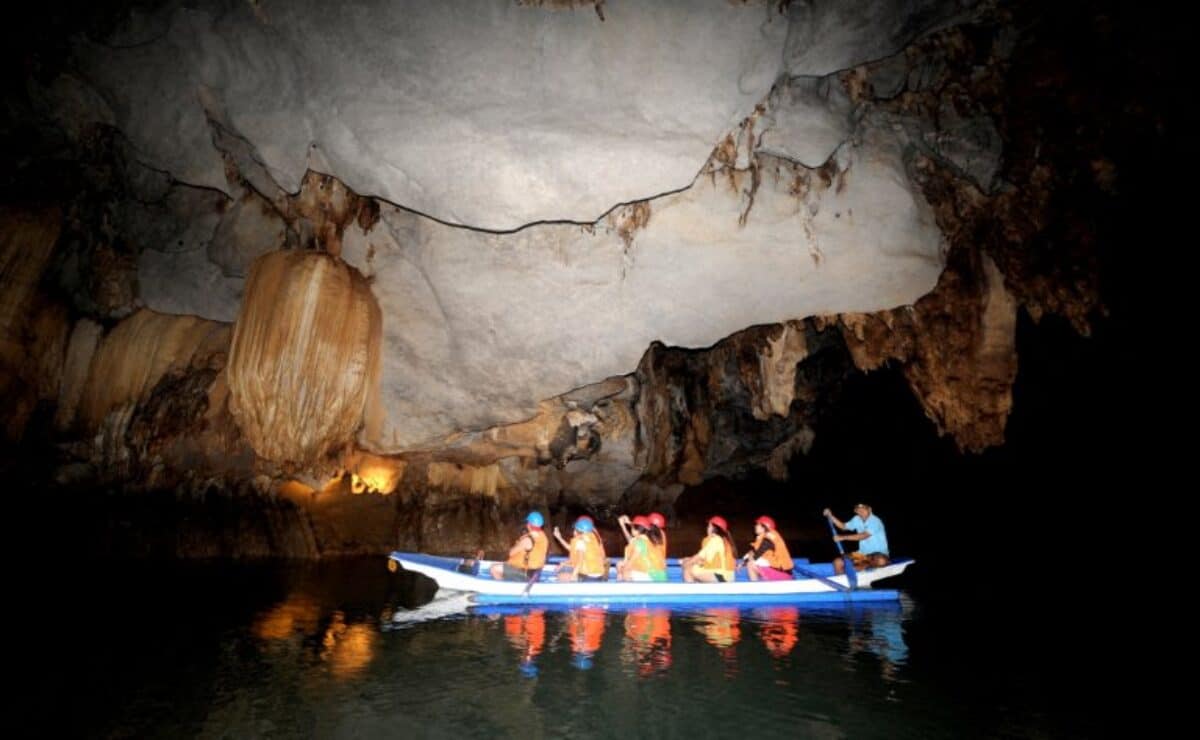
Not all caves are open to visitors
To regulate access, the DENR classifies caves according to their environmental sensitivity, resources and potential hazards.
Class I caves contain sensitive resources or hazardous conditions, with access generally limited to regulated activities such as research, education and documentation.
Class II caves may require experienced explorers or qualified guides and can be subject to seasonal or permanent closures.
Class III caves are generally safe for inexperienced visitors and have no known threatened species or significant features requiring stricter protection. Certain regulated resource collection activities may be allowed.
These classifications help determine whether tourism and other activities can proceed without compromising conservation.
RELATED STORY: EXPLAINER: Why the tamaraw is still fighting for survival
Balancing access and protection
Under DENR Administrative Order No. 2003-29 and related guidelines, cave management involves classification, conservation planning and coordination among government agencies and local stakeholders.
The DENR leads the implementation of RA 9072, while its guidelines provide for five-year management plans following cave classification.
Public cooperation also plays a role. The DENR encourages people to report activities threatening caves to barangay officials or the nearest DENR office.
For Apugan Cave, conservation efforts continue as authorities assess its environmental condition and potential for responsible ecotourism.
Your subscription could not be saved. Please try again.
Your subscription has been successful.
Across the Philippines, protecting these underground environments remains essential to preserving wildlife habitats, geological formations and natural and cultural heritage for future generations.
KioskNews shows a cleaned-up reading view extracted from the publisher’s page — the original always lives on their site, not ours.