Hezbollah claims confiscated truck of explosives, but denies assassination plans
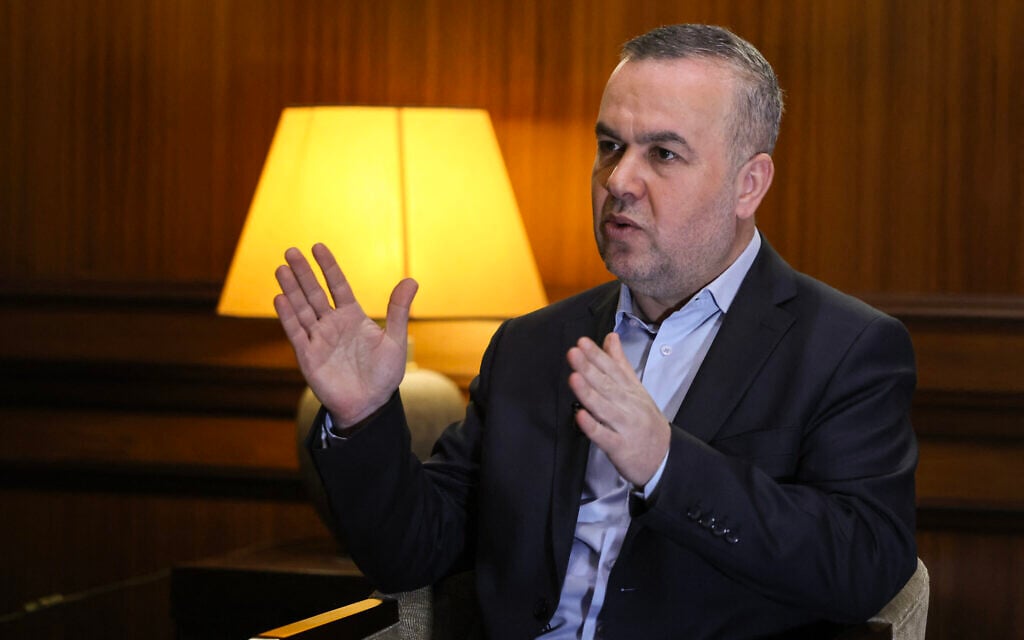
BEIRUT — A Hezbollah official acknowledged Thursday that a truck full of explosives seized by Lebanese authorities last week belonged to the terror group, and said the explosives were intended for use against Israeli forces in southern Lebanon.
The truck, which was stopped at a checkpoint on the main highway linking Beirut with the eastern Beqaa Valley, was carrying 780 kilograms (1,720 pounds) of explosives, including 250 kilograms (550 pounds) of TNT and 250 kilograms of C-4 plastic explosives, according to judicial officials.
Two men were arrested when the truck was stopped, and Lebanese authorities launched an investigation. They said that security agencies will go after other people involved in the shipment.
0:00 / 0:00
Promoted: JPPI, Bret Stephens

The news of its seizure generated heated public discussions, with many accusing Hezbollah of planning to carry out assassinations of domestic opponents at a time when the group is under increasing pressure to disarm.
Prime Minister Nawaf Salam noted that C-4 explosives had been used in several “infamous political assassinations in Lebanon’s modern history.”
Get The Times of Israel's Daily Edition by email and never miss our top stories
By signing up, you agree to the terms
In a statement Thursday, Hassan Fadlallah, a member of Hezbollah’s parliamentary bloc, acknowledged that the truck was transporting materials for the group. He said the explosives were “intended exclusively for use against the Israeli occupation” in southern Lebanon and called the allegations that they were part of an assassination plot “baseless.”
“It is well known that [Hezbollah’s] weapons include explosive devices — a subject the enemy has frequently addressed and whose impact it deeply fears,” the statement said. It was the group’s first comment on the captured explosives.
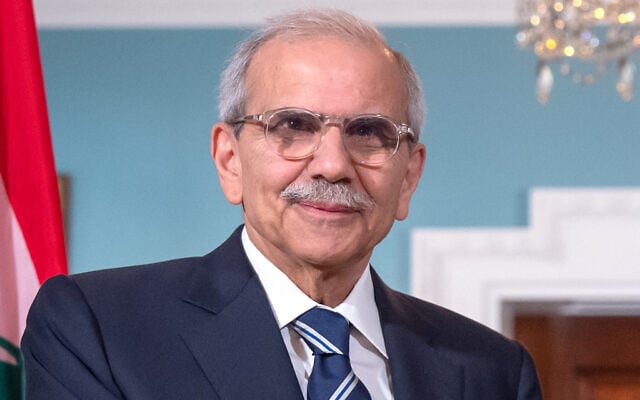
Fadlallah said Hezbollah had asked Lebanese authorities to hand the shipment over and release the two people who were detained.
The incident has highlighted growing tensions between Hezbollah and the Lebanese government.
For years, Hezbollah moved weapons freely in parts of Lebanon. That changed in March, when the Lebanese government declared all military activities by the Iran-backed group “illegal.”
That decision came hours after Hezbollah fired rockets at northern Israeli communities, triggering a war that has killed nearly 4,000 people in Lebanon and resulted in Israeli forces occupying a large swath of southern Lebanon as a self-declared security zone. The group fired the rockets two days after Israel and the United States launched a war on Iran, its main backer.
Hezbollah has refused to recognize the government decision outlawing its military wing, and Fadlallah’s statement described it as “null and void.”
The group’s main arms supply route through Syria was severed when its ally, then-president Bashar al-Assad, was ousted in late 2024. The new Syrian authorities have regularly announced seizures of weapons along their border with Lebanon that they say are intended for Hezbollah.
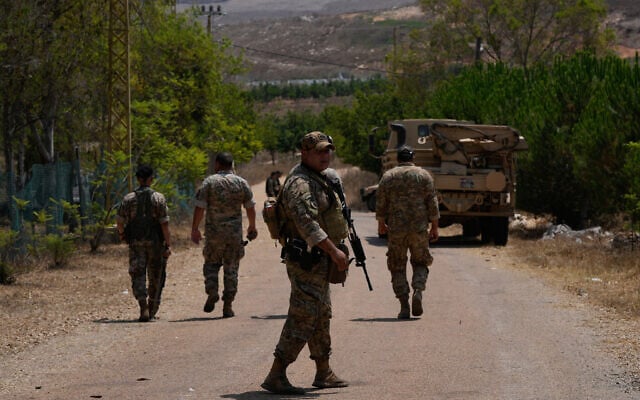
Throughout 2025, Lebanese troops seized and destroyed Hezbollah weapons depots in southern Lebanon in line with the government’s plan to exert state control over all weapons, but that roadmap was put on pause when the new war erupted.
Under a deal reached through US-brokered talks between Lebanon and Israel this year, Beirut has vowed to disarm Hezbollah, which would in turn lead to Israeli troops gradually withdrawing from Lebanon.
But Hezbollah has refused to disarm as long as Israeli forces remain on Lebanese land, and Israel has continued carrying out strikes across southern Lebanon, citing Hezbollah violations of the deal.
Help us report truthfully on social media

As a multimedia journalist, my job is to take the quality, fact-based journalism produced by The Times of Israel newsroom and make it accessible across every platform — from Instagram posts to podcasts to short-form videos.
This is how many, especially young people, consume news these days. But misinformation is rampant on social media. Our team at ToI produces accurate, responsible short-form reporting on Israel and the Jewish world.
If you believe in the importance of factual social media journalism, please consider joining our reader support group, The Times of Israel Community. Your financial support is essential to sustain responsible multimedia reporting.
— Gabriella Jacobs, multimedia journalist
Support our work Support our work Already a member? Sign in to stop seeing this
KioskNews shows a cleaned-up reading view extracted from the publisher’s page — the original always lives on their site, not ours.