New Taipei-Hong Kong subsea route opened to cut risk and meet AI demand
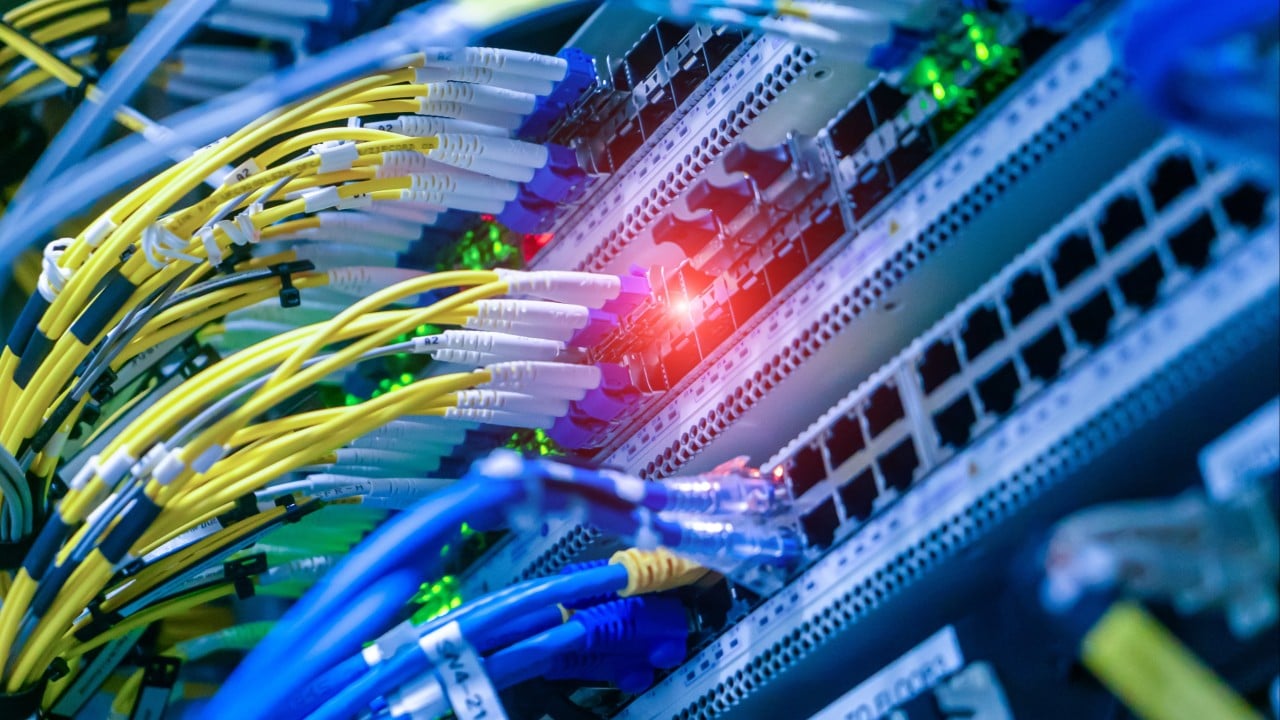
One of the world’s biggest network service providers has opened a new subsea route between Taipei and Hong Kong to strengthen the system against repeated underwater cable disruptions around the island.
Britain-headquartered RETN said the new route would take its total to six serving Taiwan: four connecting Taipei and Hong Kong, and two linking Taipei and Tokyo.
“Like many island economies, Taiwan’s international connectivity relies heavily on subsea cables, which creates exposure to risks such as concentration where multiple systems share similar corridors or landing points, alongside ageing subsea cables, natural hazards and fishing activities,” the company said in a statement on September 28.
“We aim to address recurring subsea disruptions and support growing demand for data-intensive workloads such as artificial intelligence, cloud, and high-performance computing.
“The additional independent international paths provide greater flexibility and resilience when individual cables are impaired, helping maintain service continuity during periods of widespread subsea disruption.”
The new route passes through an existing set of cables. According to the Washington-based Global Taiwan Institute, the island is connected to about two dozen undersea cables.
01:29
Taiwan coastguard detains mainland Chinese crew after undersea cable damaged
Most of the world’s international internet traffic goes through a global network of submarine fibre-optic cables measuring 1.5 million km (932,000 miles). Globally, around 150 to 200 subsea cable faults occur each year.
According to the International Cable Protection Committee, “around 70 to 80 per cent are caused by accidental human activity, such as commercial fishing activity and ships’ anchors, rather than sabotage”.
Between 2018 and 2022, cables connecting Taiwan to the Matsu Islands were severed 27 times, with further incidents recorded in 2025. Taiwanese authorities have previously said there was no evidence of deliberate tampering by Beijing.
The fragility of the global network was underscored in 2024, when four severed Red Sea subsea cables severely disrupted Asia-Europe-Africa telecommunications.
While initial estimates pointed to a 25 per cent drop in Europe-Asia data traffic flow, RETN puts the actual data traffic disruption closer to 70 per cent based on its network diagnostics and feedback from major internet service providers in Southeast Asia.
The crisis highlighted the dangers of concentration, where multiple cables sharing the same corridors or facilities trigger cascading congestion, latency spikes and packet loss.
“Those lessons informed our decision to launch six physically diverse subsea routes for Taiwan, engineered to avoid shared chokepoints and to operate alongside terrestrial alternatives such as TRANSKZ,” it said.
TRANSKZ is a 15,000km terrestrial route connecting Frankfurt to Hong Kong via Central Asia that it developed and runs. It diverted 60 to 70 per cent of affected traffic during the 2024 Red Sea cable crisis.
RETN said that while it did not own the subsea cables, the company monitored them from network operations centres in Latvia’s capital Riga and Hong Kong, used data centres and landing points in different locations and “diverse equipment vendors and terrestrial corridors so that an incident at one site does not affect all routes”.
“DDoS protection and network‑level security services further help keep customer services online during cyber incidents, even when physical infrastructure is under stress,” it said, referring to distributed denial of service attacks.
KioskNews shows a cleaned-up reading view extracted from the publisher’s page — the original always lives on their site, not ours.