New Chiapas lab repairs and protects Indigenous clothing, helping to preserve a valued tradition
A museum in southern Mexico devoted to Maya textiles has opened a conservation laboratory to help preserve its 3,400-piece collection.
The Maya World Textile Center — located in a former convent in the colonial city of San Cristóbal de las Casas, Chiapas — houses collections of traditional clothing and other textiles from the region, including Chiapas and Guatemala.
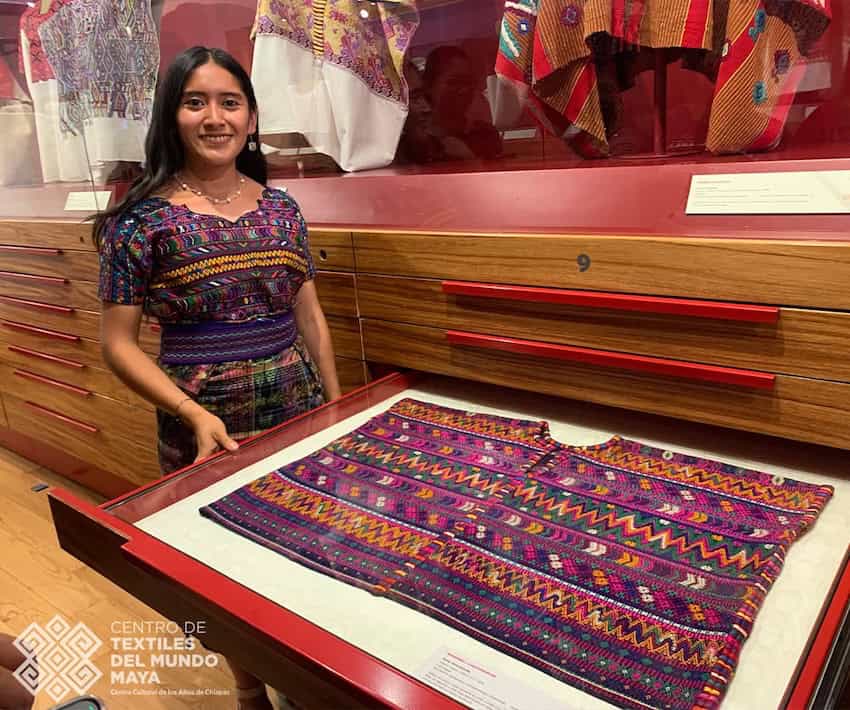
(Centro Textiles Mundo Maya)
Its new lab, which opened last week, includes equipment to repair damaged pieces and combat the insects and fungi that threaten them.
Specialists can wash textiles, remove stains, reinforce damaged areas, and identify materials and techniques.
The collections include everyday and ceremonial garments, with pieces mostly covering the last century. Pre-Hispanic, colonial and 19th-century artifacts are housed in the same building at the Museum of the Chiapas Highlands.
The goal is to extend the pieces’ lives so they remain available for research and exhibition in the Maya World Textile Center, described as the largest textile collection of the Maya world when it opened in 2012. It has received more than 342,000 visitors since then, according to figures reported by Diario de Chiapas.
Fomento Cultural Banamex — the Mexican bank’s nonprofit that supports arts, traditional crafts, exhibitions and heritage conservation — helped equip the center. Financial support from Fundación Diez Morodo, established by longtime Grupo Modelo executive Valentín Diez Morodo, helped fund staff and additional equipment.

Two apprentices who speak the Indigenous languages Tsotsil and Tseltal are training in handling, assessing, documenting and conserving the collections.
The opening comes as Indigenous communities pursue separate efforts to preserve the knowledge behind their crafts and defend designs against unauthorized copying.
Artisans from San Andrés Larrainzar — a Tsotsil Maya municipality located in the highlands of Chiapas — have documented 208 textile symbols through the Jolom Mayaetik cooperative. The catalog includes names and meanings passed down through generations; however, its copyright protection covers the research, not necessarily the designs, cooperative members said.
Meanwhile, in neighboring Oaxaca, officials have begun a process to register and protect Villa Hidalgo Yalálag’s traditional huarache designs after the controversy over Adidas’ Oaxaca Slip-On shoe in 2025. Adidas and designer Willy Chavarria apologized for developing the sandal-inspired shoe without the community’s involvement.
Preservation efforts also face economic pressures. Female textile artisans in Mexico earned an average of 3,699 pesos (about US $200) monthly, compared with 7,399 pesos (about US $400) for men, the news source Animal Político reported in August, citing national employment data.
Only 2.4% of female textile artisans in Mexico had social security coverage, compared with 12.4% of their male counterparts, it reported. Mexico’s social security system provides protections that include medical care, disability benefits and maternity leave, in addition to retirement benefits.
With reports from Diario de Chiapas, La Jornada, La Crónica, Clarín and Animal Político
KioskNews shows a cleaned-up reading view extracted from the publisher’s page — the original always lives on their site, not ours.