Daily MaverickBHEKISISA: Why climate change belongs in HIV reporting and how to cover the connectionPunchNetflix secures broadcast rights for 2030 FIFA World CupBollywood HungamaDrishyam The Conclusion show-sharing row: Panorama Studios’ Week 3 show demands put exhibitors in a fix as Nayyi Navelli, Prahaar, Jailer 2 gear up for releaseCNN TürkUğurcan Çakır: Top şansa önünde kaldı!RTP DesportoFC Porto procura estrear-se a vencer no estádio do BetisESPNTransfer rumors, news: Real Madrid, Barcelona chase Spurs defender PorroThe Jerusalem PostDefense officials warn of possibility Houthis may conduct land or sea attack against IsraelkickerKein klassischer Rebuild: Wie Dallas den Spagat mit Flagg meistern willZDF heuteEntdecken Sie das ZDF-Nachrichtenstudioسكاي نيوز عربيةعقب مداهمتها فجرا..الشرطة التركية توقف بث قناة معارضةHabertürkRusya’da veri merkezlerine İHA saldırılarıVanguardNigeria-led ​‌‍‍‍‍⁠⁠‍​‍‍​‌⁠​​‌​G-24 demands IMF reforms, debt relief, $300bn annual climate funding
The Daily Newsstand · Free, Always
Wednesday, October 14, 2026

Spanish royals visit Ceuta to back enclave amid border migration strain with Morocco
Translate

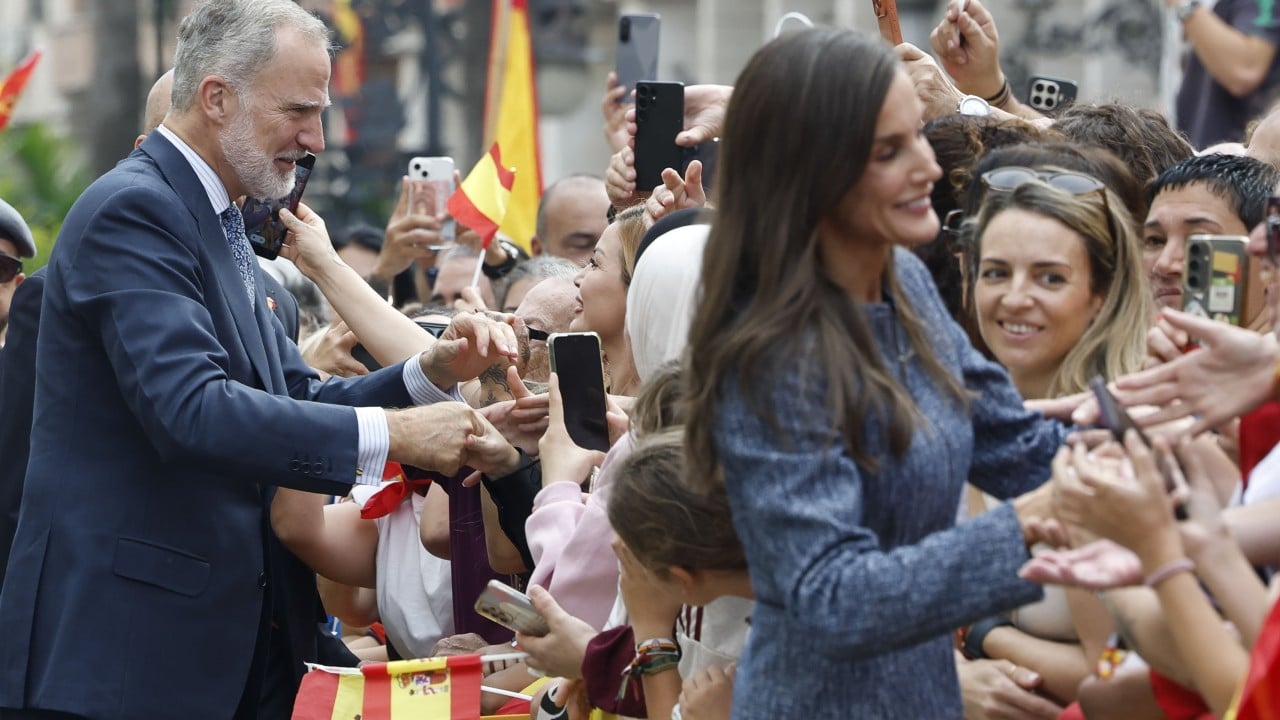
King Felipe VI and Queen Letizia kicked off their first visit to Ceuta on Tuesday in a show of solidarity with residents of the Spanish city in North Africa as they grapple with a migration crisis that has strained relations with Morocco.

The royal couple will then travel to Melilla, Spain’s other North African exclave, on Wednesday. It will be the first visit by a Spanish monarch to the two cities since Felipe’s father, Juan Carlos I, toured them in 2007.

Their visit comes after about 80,000 migrants crossed Ceuta’s border in July, with more than 140 people dying.
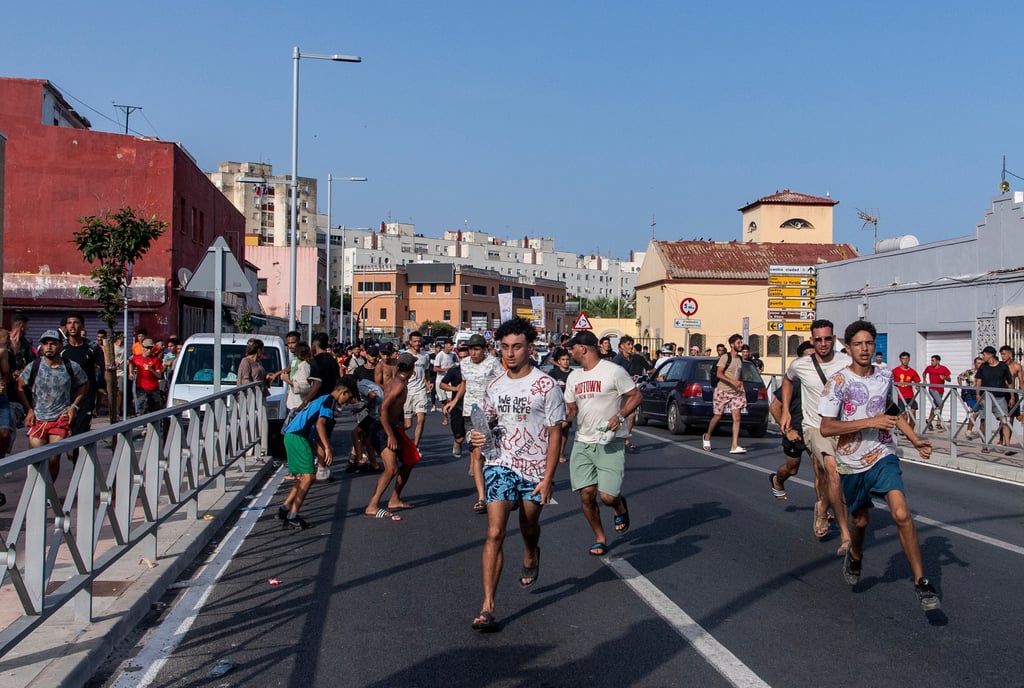
Migrants run from police officers after crossing from Morocco into the Spanish enclave of Ceuta, in July. Photo: AP

Migrants run from police officers after crossing from Morocco into the Spanish enclave of Ceuta, in July. Photo: AP

While most of the people who pushed across the frontier quickly returned, thousands still remain in the Spanish city of 84,000 residents perched on the Mediterranean Sea. It’s unknown how many remain, though the mayor has estimated that there are still as many as 15,000.

Their presence has become a source of social tension in Ceuta and a political issue across Spain, where opposition parties hope to use migration concerns to unseat the progressive government in elections next month.

View the original on South China Morning Post →

KioskNews shows a cleaned-up reading view extracted from the publisher’s page — the original always lives on their site, not ours.