IDF to establish new 'detection and strike' infantry battalions within Golani, Nahal brigades
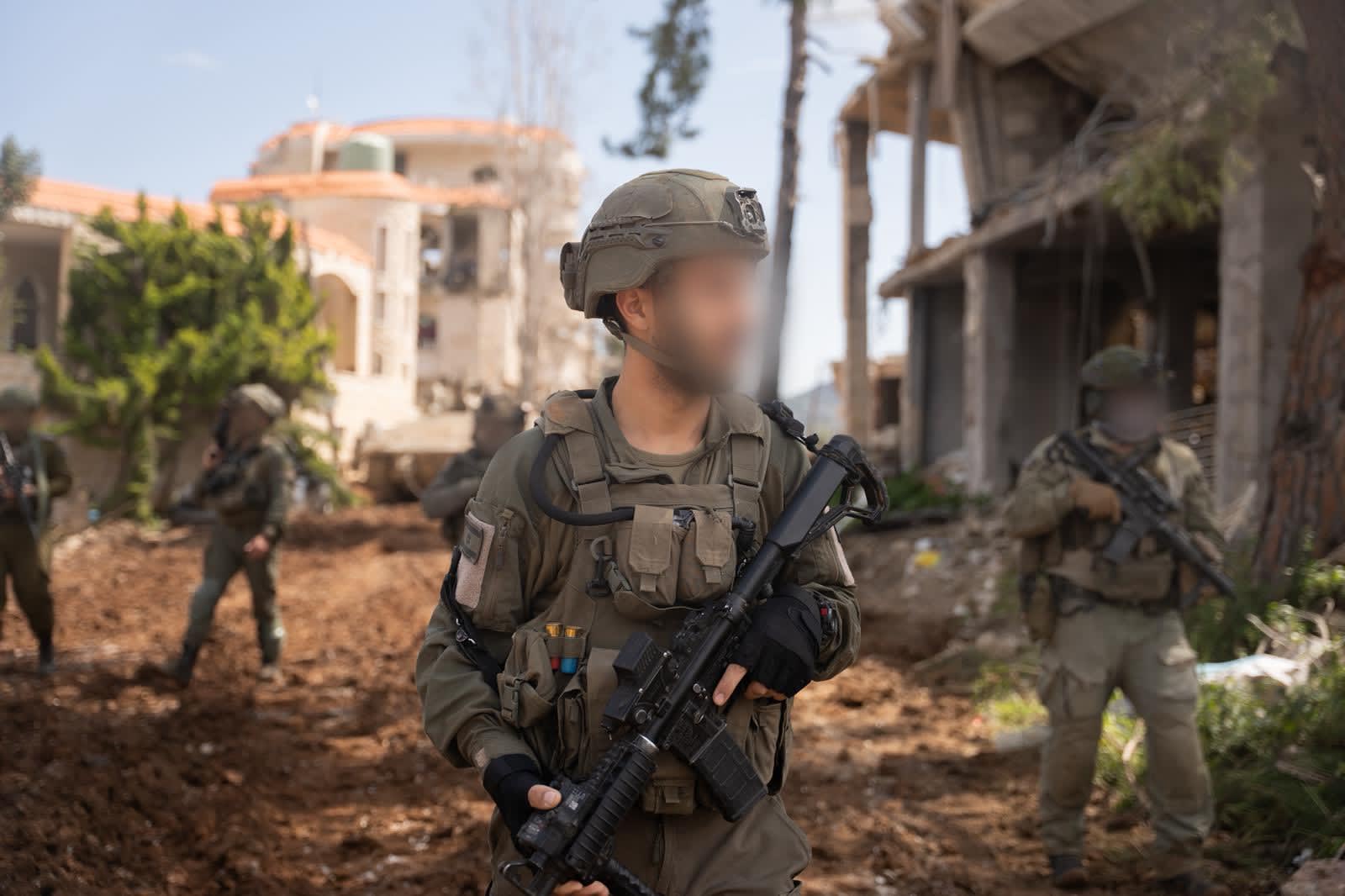
The two units will specialize in drone operations, robotics, surveillance and imagery systems, advanced weaponry, and precision-guided munitions.
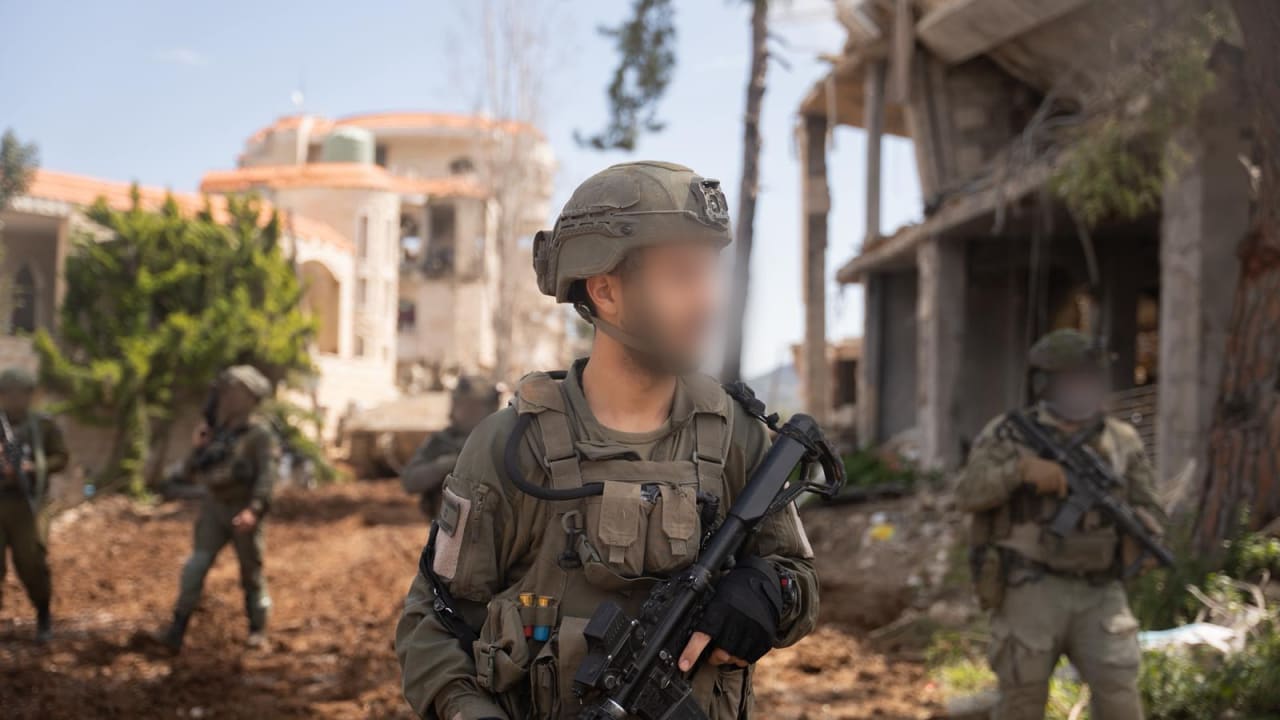
IDF Chief of Staff Lt.-Gen. Eyal Zamir decided on Monday to establish specialized infantry battalions within the Golani and Nahal Brigades as part of the military’s effort to expand the ground forces' order of battle.
The IDF’s Ground Forces Command and the Manpower Directorate are spearheading the effort.
The "Alon" Battalion (11) will join the Golani Brigade, and the "Nofech" Battalion (935) will join the Nahal Brigade, though the military has not yet finalized the details of the two battalions.
According to the military, the two battalions will serve as “detection and strike" units.
They will specialize in drone operations, robotics, surveillance and imagery systems, advanced weaponry, and precision-guided munitions.
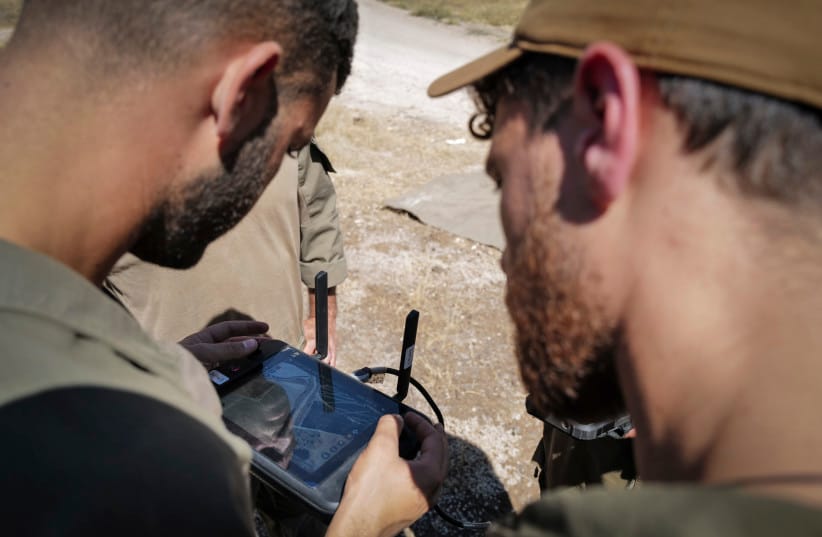
IDF establishing new corps for countering low-altitude drones
Last month, Walla learned that IDF Ground Forces Commander Maj.-Gen. Nadav Lotan is working to establish a new corps dedicated to countering low-altitude drone threats, as part of an effort to strengthen Israel's defenses against the growing threat posed by unmanned aerial vehicles.
The corps will initially be based on five battalions that routinely protect the borders with Jordan and Egypt, as well as the security barrier area in the West Bank.
Under the plan, these battalions will assume an additional mission alongside their existing responsibility for defending Israel's land borders: protecting against mobile threats operating in the airspace close to the ground.
According to assessments, the corps' sixth battalion will be the tactical air defense battalion established during the war in response to threats from Gaza and Lebanon that emerged on an unprecedented scale.
To support the new corps' establishment, the IDF will transfer significant resources from the Ground Forces to supplement the Border Defense Corps' existing capabilities.
These resources will include additional training personnel to develop a drone school focused on defensive missions.
The IDF's Ground Forces already operate significant defensive drone capabilities, including intelligence-gathering operations conducted using drones by Unit 9900 of the Military Intelligence Directorate.
Military Intelligence is therefore expected to help develop the emerging combat doctrine, operational methods, and the type and scale of procurement involving drones and associated technologies, as well as training.
KioskNews shows a cleaned-up reading view extracted from the publisher’s page — the original always lives on their site, not ours.