South Korean bulk buying hits record US$1.1 billion as shoppers trim food bills
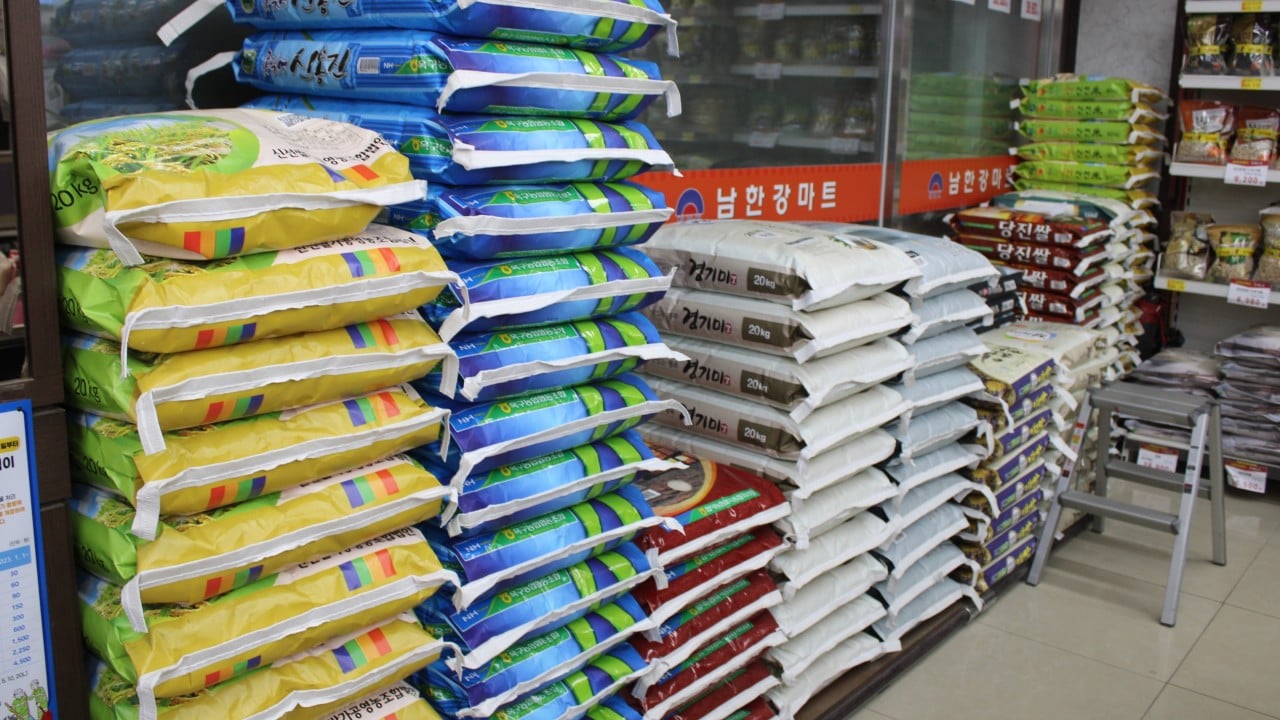
A monthly trip to Costco has become routine this year for Kim Eun-young. The 42-year-old mother of two living in Seoul’s Gwangjin district used to pick up what she needed at a nearby supermarket, but rising prices prompted her to change her shopping habits.
She said buying groceries and household essentials in bulk seemed more economical, at least for her family of four. “The bill is bigger each time, but buying in bulk works out cheaper for the same amount. I mainly buy food we eat regularly and everyday household essentials, and divide the food into meal-sized portions for storage.”
Kim’s changing habits reflect a growing appetite for warehouse shopping as South Korean consumers seek relief from high prices.
According to market tracker WiseApp Retail, combined estimated card spending at Costco and Emart Traders totalled a record 1.45 trillion won (US$1.1 billion) in September. The estimates are based on a sample of South Korean consumers’ credit and debit card payments. They exclude cash and bank transfers and therefore differ from the retailers’ reported revenue.
Warehouse retailers keep prices competitive by buying a limited selection of products in large quantities. Concentrating on popular goods, rather than carrying numerous brands and sizes, helps them secure lower purchasing prices. Selling large packages and displaying merchandise in boxes or on pallets further reduce operating costs.
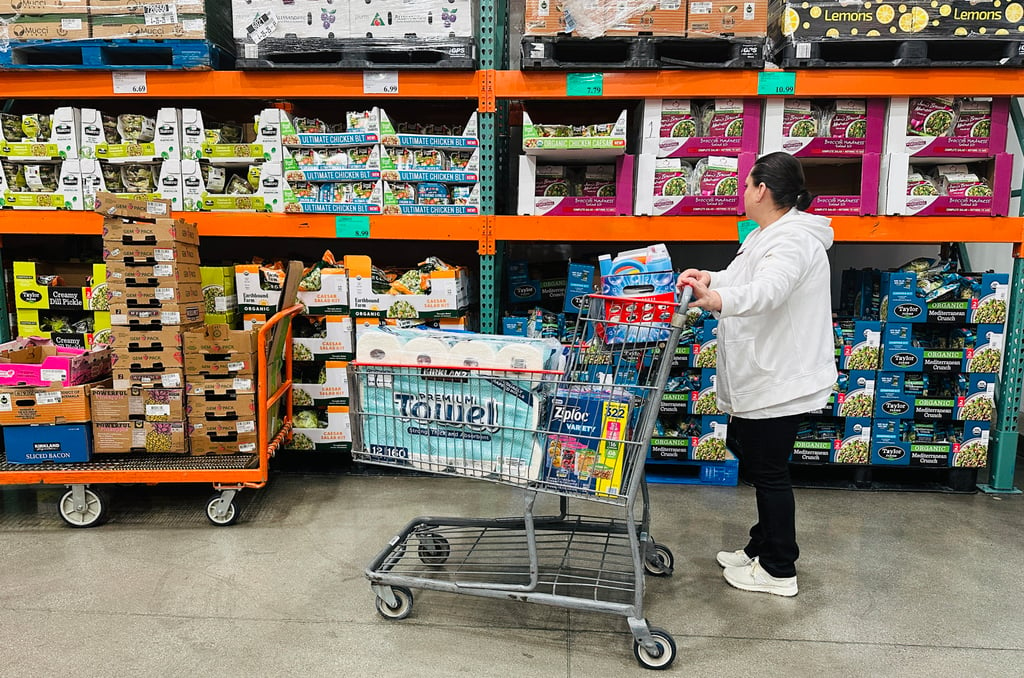
Private labels also help keep prices down. By developing goods with manufacturers and selling them under their own brands, retailers reduce distribution and marketing expenses and pass on savings to shoppers.
Costco’s Kirkland Signature range spans groceries, dietary supplements, apparel and household supplies. The retailer takes part in product development and oversees aspects of manufacturing to control costs while maintaining quality.
Traders works with manufacturers throughout product development, from initial planning to launch, for its T Standard brand. Savings on design and promotional spending help the chain offer lower retail prices.
The growing appeal of warehouse shopping is also reflected in financial results.
Costco South Korea’s revenue rose 12.1 per cent to a record 7.32 trillion won in the 2025 financial year from September 2024 through August 2025. That followed sales of 6.07 trillion won in the 2023 financial year and 6.53 trillion won in 2024.
Traders has likewise recorded gains in both sales and profit. Its annual gross sales rose from 3.37 trillion won in 2023 to 3.55 trillion won in 2024 and 3.85 trillion won in 2025. Sales grew 14.2 per cent over the two years, while operating profit more than doubled from 58.1 billion won to 129.3 billion won.
“Spending at warehouse retailers is growing among major retail formats, including hypermarkets, department stores and convenience stores,” an industry official said. “Their focus on bulk products appears to be attracting grocery shoppers trying to manage the burden of high prices.”
KioskNews shows a cleaned-up reading view extracted from the publisher’s page — the original always lives on their site, not ours.