Fragment of oldest known peace treaty discovered in Turkey
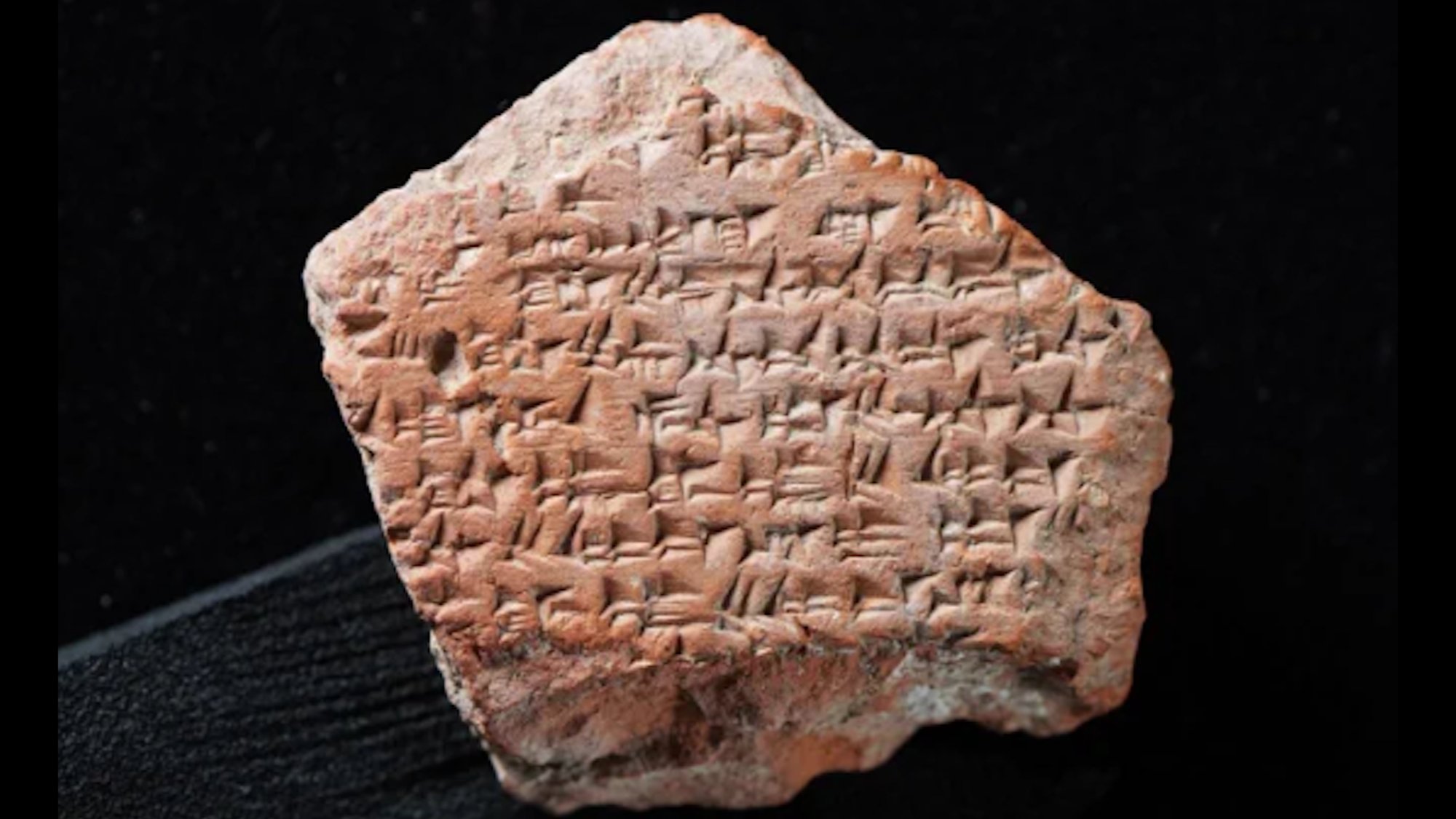
Around 1259 BCE, two ancient kingdoms finally decided to let bygones be bygones. After two centuries of intermittent skirmishes for regional control, the Egyptian Pharaoh Ramesses II and Hittite King Ḫattušili III agreed to what is now known as the Kadesh Peace Treaty. The rulers signed their agreement about 15 years after the famous Battle of Kadesh, marking the oldest known peace proclamation in recorded history. Archaeologists have extensively documented treaty fragments preserved on Akkadian cuneiform tablets and Egyptian temple wall hieroglyphics, but a newly discovered section found in present-day Turkey offers a resonant message 3,200 years after its inscription.
To celebrate the International Day of Peace on September 21, Turkey’s Ministry of Culture and Tourism announced the recent identification of a cuneiform fragment corresponding to Articles 12–20 in the famed treaty. Excavated at the Büyükkale royal palace site of Hattusha in northern Anatolia, the clay tablet details how both kingdoms should handle receiving refugees who fled from either side during the conflict.
A full transcription of the recently recovered section isn’t available yet, although ministry officials mentioned a portion of it focuses on protecting citizens’ homes from destruction. While the regulations differ from present-day asylum protections and more resemble mutual obligations agreed upon by Ramesses and Ḫattušili, the section still shows how strained kingdoms still managed to find common ground over 3,000 years ago.
Hattusha has provided archaeologists with thousands of cuneiform artifacts contextualizing the politics, culture, and day-to-day life of the ancient Hittites. The first fragments of the Kadesh Peace Treaty were discovered amid excavations during the early 20th century, and copies of the document were later even included on UNESCO’s Memory of the World Register in 2001.
“This legacy, which has survived from thousands of years ago to the present day, reminds us of our responsibility to protect human life and dignity,” cultural minister Mehmet Nury Esroy wrote in a social media post translated from Turkish. “We wish you a future where all people, especially our Palestinian brothers, will live in safety, peace and tranquility.”
KioskNews shows a cleaned-up reading view extracted from the publisher’s page — the original always lives on their site, not ours.